REVIEW · TAIPEI CITY
Vintage Taipei – Best of Taiwan and Sunset Walking Tour
Book on GetYourGuide →Operated by TourMeAway · Bookable on GetYourGuide
There’s a lot of Taiwan in 2.5 hours. This Vintage Taipei walk threads Fa Zho Gong Temple and Xia Hai City God Temple, then adds Chinese medicine, vintage shops, and a sunset food-market finish. I especially like the mix of old-and-new details (Fa Zho Gong’s elevator temple fact is a showstopper), and the way the Chinese medicine market turns “history” into something you can actually see and ask about. One thing to consider: it’s not built for wheelchair users, and you’ll be doing steady walking throughout.
If you want an easy, English-guided way to see standout corners of Taipei without turning it into a research project, this is a strong option. The tour is also name-your-price / donation-based, so you can choose what feels fair based on what you get. My only caution is that the price you see can be misleading—paying is flexible, but you’ll still want to show up on time so you don’t miss the first temple stops.
In This Review
- Key highlights at a glance
- Meeting at Mikkeller Bar Taipei and pacing your 2.5 hours
- Fa Zho Gong Temple: 1869 faith with a modern twist (the elevator temple)
- Xia Hai City God Temple: 1856 月老 (Chinese Cupid) and big atmosphere
- Da Dao Cheng district: walking a movie-set neighborhood (without the script)
- Chinese herbal and dry products market: health culture you can actually see
- Vintage shops and stories: finding Taipei’s “past in the present”
- Dockside food market at sunset: honey lager plus local plates
- Price, value, and who this tour suits best
- Booking basics and practical pointers (so it goes smoothly)
- Should you book this Vintage Taipei sunset walking tour?
- FAQ
- Where does the tour start?
- How long is the Vintage Taipei tour?
- Is the tour in English?
- What temples are visited?
- What does the tour include at the end?
- Is the tour donation-based?
- What is the drink included?
- Is smoking allowed during the tour?
- Is it suitable for wheelchair users?
Key highlights at a glance
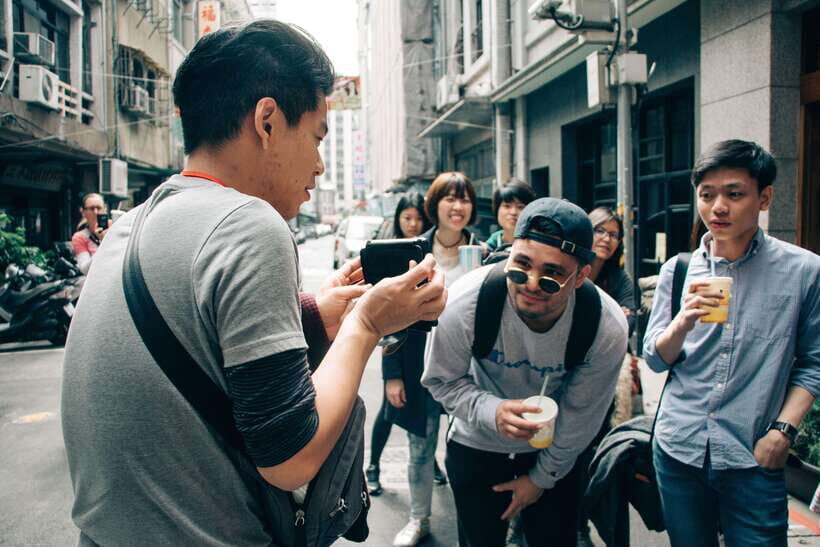
- Fa Zho Gong Temple, 1869, with an elevator that makes it an unusual Taiwan landmark
- Xia Hai City God Temple, 1856, known for 月老 (Chinese Cupid)
- Da Dao Cheng district, a local-feeling neighborhood often used in movie scenes
- Chinese herbal and dry products market, where everyday remedies and goods are the focus
- Dockside food market sunset stop with a discounted honey lager drink
Meeting at Mikkeller Bar Taipei and pacing your 2.5 hours
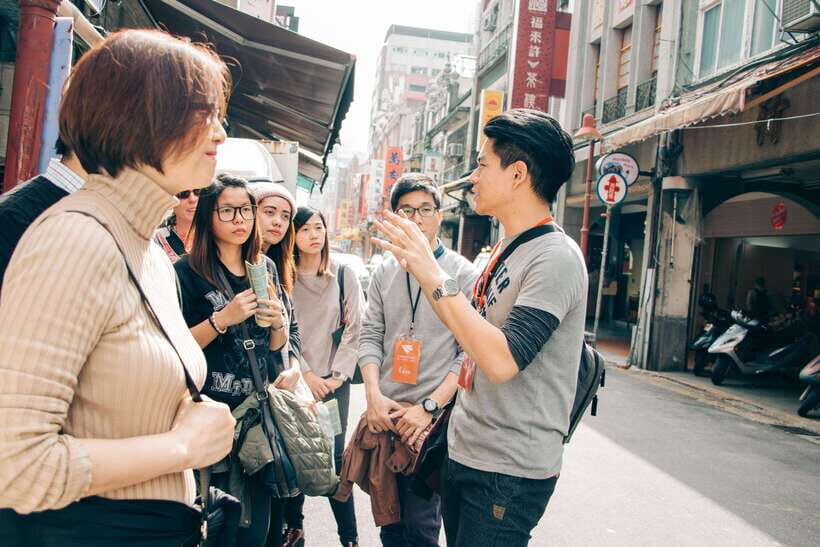
You start outside Mikkeller Bar Taipei. Look for your guide with an orange badge, and plan to arrive a few minutes early so the group can roll on time. The tour runs about 2.5 hours, which is just enough time to see major sights without needing to schedule half a day.
This is a walking-focused experience, so think of it like a guided “Taipei orientation” that also has real depth. You’ll get temple context, then street-level Taipei with the Da Dao Cheng district and a market stop, and finally a dockside food scene that shifts the mood toward sunset.
The biggest practical win here is structure. Two major temples anchor the route, then everything else supports that theme: everyday faith, everyday health, and everyday food.
You can also read our reviews of more walking tours in Taipei City

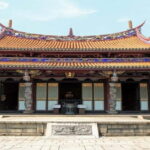

Fa Zho Gong Temple: 1869 faith with a modern twist (the elevator temple)
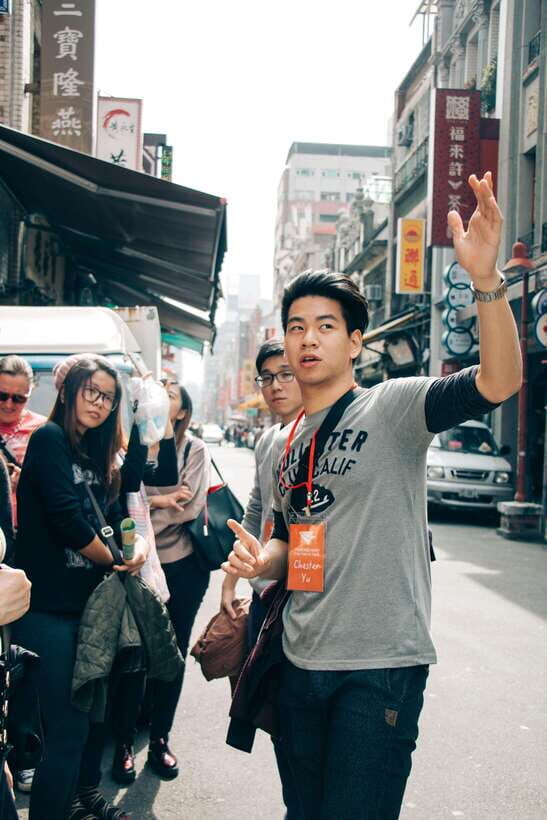
Fa Zho Gong Temple dates back to 1869, and it’s famous for a detail you almost never see: it’s the only temple in Taiwan with an elevator. That one fact tells you what to pay attention to on this stop—Taipei’s traditions aren’t locked in a museum box. They adapt to the lives of real people.
When you visit, you’re not just looking at buildings. You’re getting a snapshot of how temple culture can stay functional while still honoring long-standing customs. For me, that’s what makes this stop valuable: it’s a quick lesson in how Taiwan’s “old” and “now” share the same space.
What to watch for: take a moment to look around the temple grounds rather than treating it like a quick photo stop. If your guide points out temple features or how the space works, follow along. The elevator detail is the headline, but the surrounding layout helps you understand why it’s such a memorable landmark.
Xia Hai City God Temple: 1856 月老 (Chinese Cupid) and big atmosphere
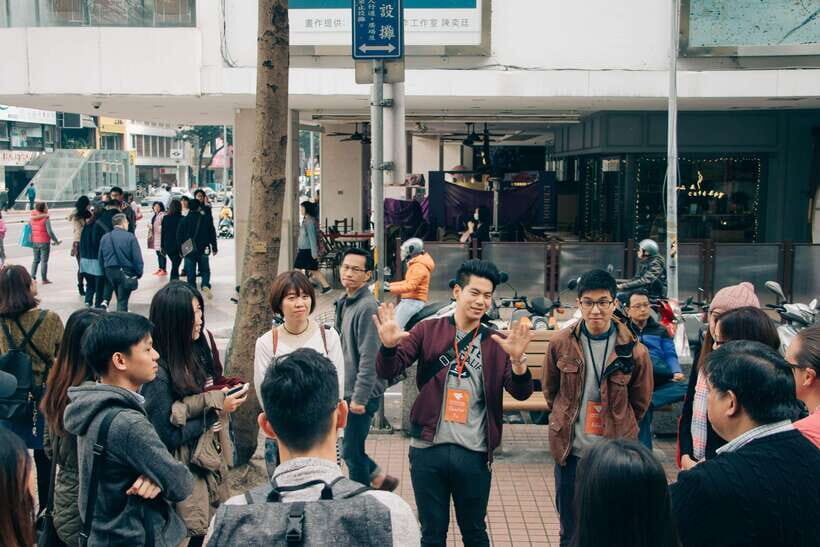
Next comes Taipei Xia Hai City God Temple, built in 1856. This one is strongly associated with 月老 (Chinese Cupid), and it’s known for both cultural importance and a lively presence around the altar area.
If you’ve ever wondered how religious traditions connect to real-life hopes—especially around relationships—this is the stop that answers the question. Xia Hai City God Temple is famous enough that you’ll recognize the name, but the guide’s explanations help you see why it matters beyond a quick glance.
A practical tip: keep your eyes up and your pace steady. People often gather in concentrated areas around religious offerings, and it helps to know where the guide is directing you so you don’t get stuck at the back.
Da Dao Cheng district: walking a movie-set neighborhood (without the script)
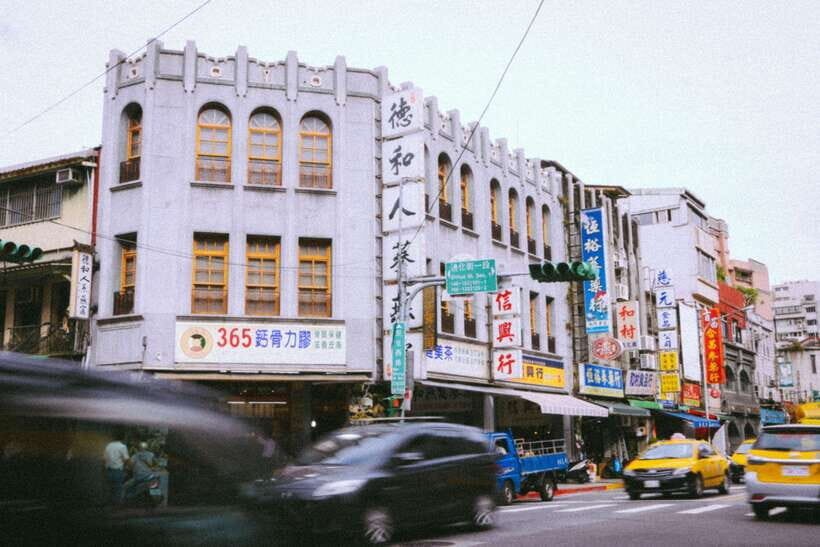
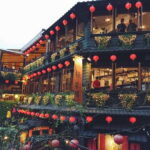
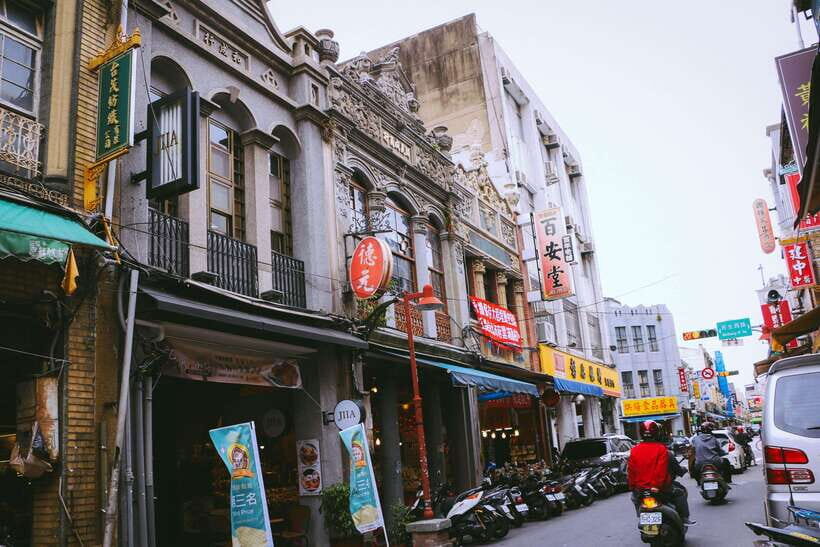
After the temple pair, the tour moves into Da Dao Cheng, described as a district that many locals know and many outsiders miss. The streets are known for their colorful, well-preserved traditional neighborhoods—exactly the kind of texture that makes walking feel like sightseeing, not just transit.
One of the coolest things you pick up here is that Da Dao Cheng has served as a backdrop for many movies. That doesn’t mean you’ll be watching scenes come to life. It means the neighborhood has the look and rhythm that filmmakers love: traditional street character, older architectural lines, and a feeling that time has layers.
This stop is also where the tour becomes more “Taipei” and less “tourist highlights.” You’ll be in smaller streets, and the guide’s narration tends to focus on how locals experience the area day to day.
Chinese herbal and dry products market: health culture you can actually see
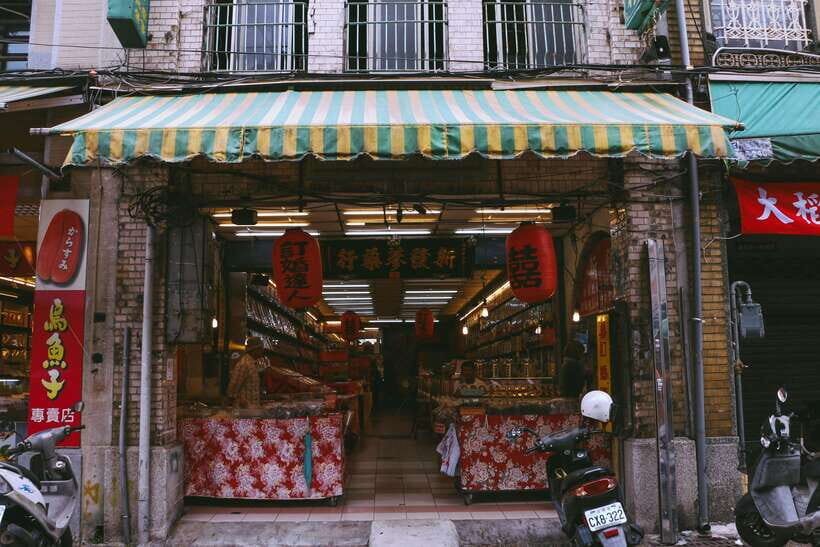
Then you shift from temples and streets to the Chinese herbal and dry products market. This is where the tour quietly becomes more educational. Instead of talking about “traditional medicine” as a concept, you’re shown the real inputs of that world: herbs, remedies, and dry goods sold through market stalls and herbal shops.
You’ll hear about herbs and remedies that have been used for centuries for health and well-being. And because it’s a market, it’s not abstract. You can see what’s being sold and what categories traders stock—stalls can include everything from fruits to seafood, alongside dried products and herbal items.
Why this stop is worth it: it helps you understand that Chinese medicine in Taipei isn’t only about doctors and textbooks. It’s part of local shopping culture, where families pick up items as needed and where market knowledge matters.
How to get value: if the guide invites questions, ask simple ones—what a certain dry product is typically used for, or why specific items are popular. You’re not going to become an herbalist in 10 minutes, but you can walk away with a smarter way to look at what you’re seeing.
You can also read our reviews of more evening experiences in Taipei City



Vintage shops and stories: finding Taipei’s “past in the present”

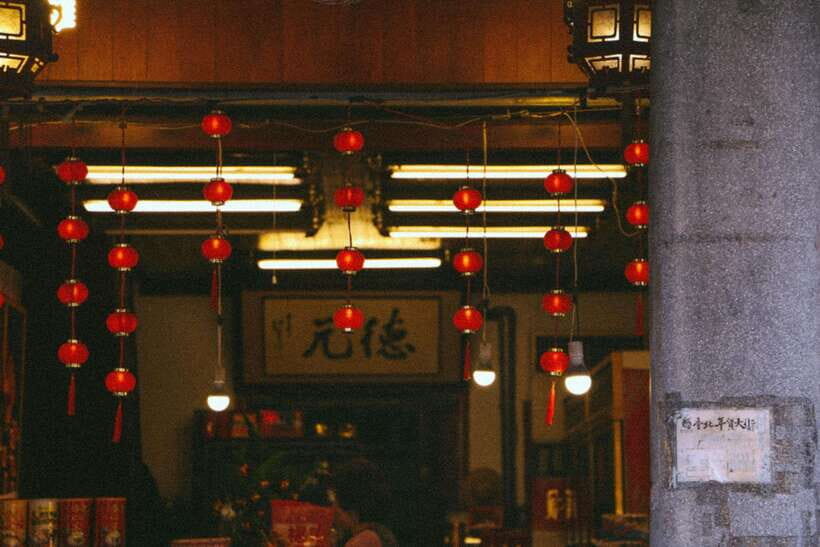
The tour also includes exploring selected vintage shops, each with its own stories. Even if you don’t plan to buy anything, this part works because it reframes “vintage” as lived memory rather than just style.
In practice, you’ll move through shop spaces where the objects themselves do the talking. The guide’s role is to connect those objects to Taipei culture—what they represent and why they show up in these shops. This is the part that tends to feel slower and more personal, the way browsing can, when someone explains the context.
Quick advice: if you see something you like, don’t rush. Look closely. Vintage stores often reward patience, and your guide can help translate what you might otherwise gloss over.
Dockside food market at sunset: honey lager plus local plates
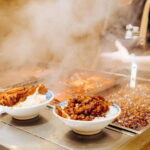
The tour finishes at a lively food market by the dock with a sunset view. This is a smart ending. Temples set the spiritual tone, the medicine market gives you everyday-health context, and then the dockside area brings it back to how people actually spend evenings—eating, chatting, and taking in the view.
You can indulge in an array of local foods, and the tour includes a drink: a discounted glass of Taiwanese award-winning honey lager. Even if you don’t call yourself a beer person, this is a nice way to try a local flavor without turning your evening into a full bar crawl.
What to expect visually: dockside light at sunset can be dramatic, and it pairs well with market smells and sound. It’s also a good moment to take photos without the temple crowd pressure you’ll find at the earlier stops.
Price, value, and who this tour suits best
The price listed is $1.10 per person, but the key detail is that this is donation-based / name-your-price. That matters because it shifts the math. You’re not just buying a ticket to hit sights—you’re supporting a guide-led route that bundles multiple major experiences into one short walk.
Included in the tour are:
- Visits to Fa Zho Gong Temple and Taipei Xia Hai City God Temple
- Time exploring Da Dao Cheng
- A Chinese herbal and dry products market tour
- A dockside food market stop with sunset views
- A discounted honey lager drink
For the time you spend—about 2.5 hours—this is strong value if you want variety without fatigue. You get two major temples, a neighborhood feel, a market experience, and a satisfying ending with food and a drink.
Who it’s best for:
- First-time visitors who want a compact route with real local texture
- People interested in temples, Chinese medicine culture, and neighborhood streets
- Anyone who prefers a guided walk over building an itinerary piece by piece
Who should think twice:
- Anyone who needs wheelchair accessibility (this tour isn’t suitable for wheelchair users)
- Anyone who hates walking or wants a strictly “sit-down” schedule
Booking basics and practical pointers (so it goes smoothly)
This is an English live tour guide experience. The meeting point is outside Mikkeller Bar Taipei, and the tour ends back at the same meeting point.
If you’re late, there’s a WhatsApp group link you can use to ask questions or coordinate. That’s especially helpful with a short tour length, where missing the first temple stop can shrink the experience fast.
Also note the simple on-the-ground rule: no smoking during the tour.
For schedule, you’ll need to check availability to see starting times, since the tour runs on specific departure slots.
Should you book this Vintage Taipei sunset walking tour?
Book it if you want a tight, structured way to see Taipei’s layers—temples, neighborhood streets, Chinese medicine market culture, and a dockside sunset food finish—without turning your trip into a logistics puzzle. The elevator-at-Fa Zho Gong Temple detail is worth the trip alone, and the route’s mix makes it more than a one-note sightseeing loop.
Skip it if you’re not comfortable with walking for 2.5 hours or if you need wheelchair accessibility. Also, if you’re the type who wants control over every minute (rather than a guide-managed flow), this may feel a bit more “guided” than you prefer.
FAQ
Where does the tour start?
The tour guide will wear an orange badge outside of Mikkeller Bar Taipei.
How long is the Vintage Taipei tour?
The duration is 2.5 hours. Check availability to see the starting times.
Is the tour in English?
Yes. The tour includes a live English guide.
What temples are visited?
You’ll visit Fa Zho Gong Temple and Taipei Xia Hai City God Temple.
What does the tour include at the end?
It ends at a lively food market by the dock with a sunset view, plus a discounted glass of Taiwanese honey lager.
Is the tour donation-based?
Yes. It’s described as a donation-based or name-your-price walking tour.
What is the drink included?
A discounted glass of Taiwanese award-winning honey lager is included.
Is smoking allowed during the tour?
No. Smoking isn’t allowed.
Is it suitable for wheelchair users?
No. It is not suitable for wheelchair users.