REVIEW · TAIPEI CITY
Taipei: Chiang Kai-Shek Shilin Residence Ticket
Book on GetYourGuide →Operated by Fontrip · Bookable on GetYourGuide
History has a color code here. Shilin Residence is Chiang Kai-Shek’s former home, and the ticket experience is surprisingly easy to do well: you get Main Building access to the first and second floors plus an audio guide in English, Chinese, and Japanese, so you can connect the rooms to Taiwan’s modern story without guessing. What I like most is the dark-green camouflage look of the main buildings, and how the visit keeps you focused with a clear audio plan.
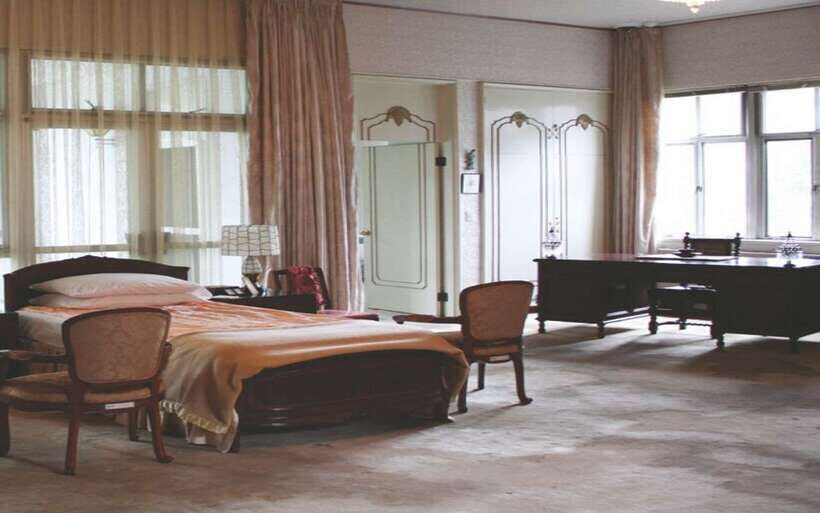
A lot of what makes this place work is the way the structure was built and rebuilt: a two-story guesthouse-style foundation, wood combined with reinforced concrete, and later restoration completed in November 2009. You’ll also notice how the residence layout helps you picture private family life, not just politics.
One thing to consider: the site can feel strict, with plenty of rules and restrictions posted around what you can do. If you prefer a totally free-roaming vibe, plan for some limits and keep your patience handy.
In This Review
- Key Points You’ll Actually Care About
- Why Chiang Kai-Shek’s Shilin Residence Is Worth Your Taipei Time
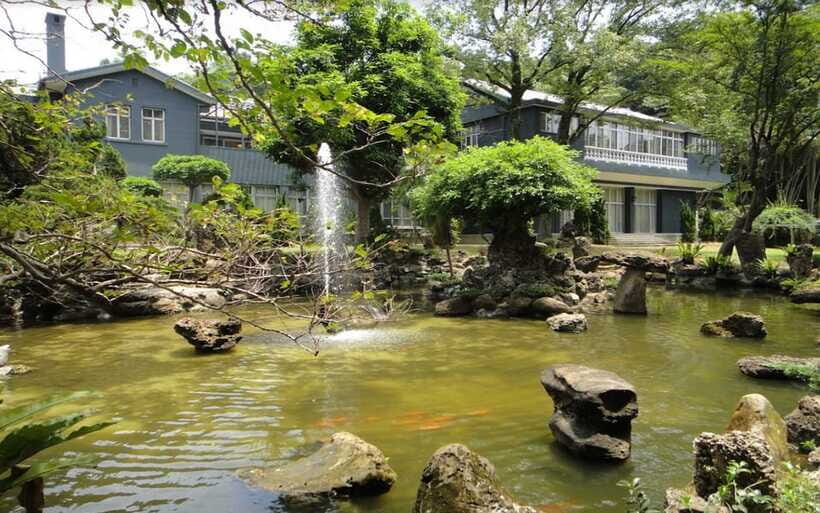
- The Grounds’ Real Story: Dark-Green Blending and a Garden With Intent
- Main Building Access: What You Can See on Floors 1 and 2
- The Architecture Mix: Wood, Reinforced Concrete, and That Slanted Roof Shape
- A Visit That Doesn’t Feel Rushed: Hours, Last Entry, and Closed Days
- Audio Guide Strategy: Using It to Understand Rooms Fast
- Price and Value: About $3.17 for Main Building + Audio
- Who This Ticket Fits Best (and Who Might Skip)
- Should You Book the Shilin Residence Ticket?
- FAQ
- What’s included with the Taipei Shilin Residence ticket?
- What languages are available for the audio guide?
- What are the opening hours and last entrance times?
- Which days is Shilin Residence closed?
- Do I need to show anything at the entrance?
- Is the site wheelchair accessible?
Key Points You’ll Actually Care About
- Dark-green camouflage architecture: the main buildings blend into the surrounding woods while still standing as a major residence.
- Audio guide in 3 languages: Chinese, English, and Japanese keep you from wandering with zero context.
- Wood plus reinforced concrete: a practical construction style that you can spot in how the building is described.
- Main Building covers 2 floors: your ticket includes the first and second floors, not just the entry foyer.
- Inner Garden is a highlight area: the garden reflects Chiang’s wife’s and Chiang’s love of flowers and bird-and-fish feeding.
- QR code entry: you’ll present your QR code at the entrance for entry.
Why Chiang Kai-Shek’s Shilin Residence Is Worth Your Taipei Time
Shilin Residence isn’t just a pretty house you look at from the outside. It’s a window into how power lived in daily routines, built in a mix of Chinese and Western architectural styles, and then expanded while Chiang Kai-Shek was still alive. That combination matters because it makes the place feel more real than a museum-only set.
I like that the visit is structured around what you can access and understand. You’re not expected to piece together the story alone. With the audio guide included, you can follow the main building rooms floor by floor and keep the meaning attached to what you’re seeing.
Also, the pricing is unusually friendly for a major historic site experience. When you’re paying about $3.17 per person and still get main building entry and a multilingual audio guide, it’s hard to call it anything but good value.
A few more Taipei City tours and experiences worth a look


The Grounds’ Real Story: Dark-Green Blending and a Garden With Intent
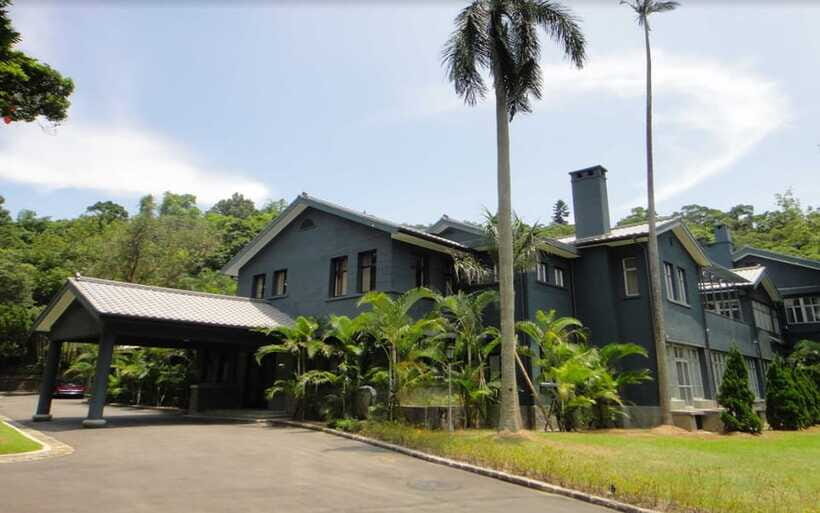
Outside, the first detail that clicks is the color and purpose. The main building (for Chiang Kai-Shek and his wife) and the servants’ and guards’ quarters are painted dark green. That choice isn’t just aesthetic. It’s described as camouflage, designed to blend into the surrounding woods for protection.
That matters because it changes how you view the building. Instead of a statement monument, it reads as a working residence built with caution in mind. You can walk your eyes along the compound and feel the logic behind why the complex doesn’t shout for attention.
Then there’s the inner garden. The description focuses on Chiang and his wife enjoying flowers, plus bird-and-fish feeding in the garden setting. Even if you don’t linger long, this is the part that turns the residence from politics into lifestyle. It’s where the home’s elegance shows up in everyday pleasures—flowers and small creatures—rather than speeches.
Main Building Access: What You Can See on Floors 1 and 2
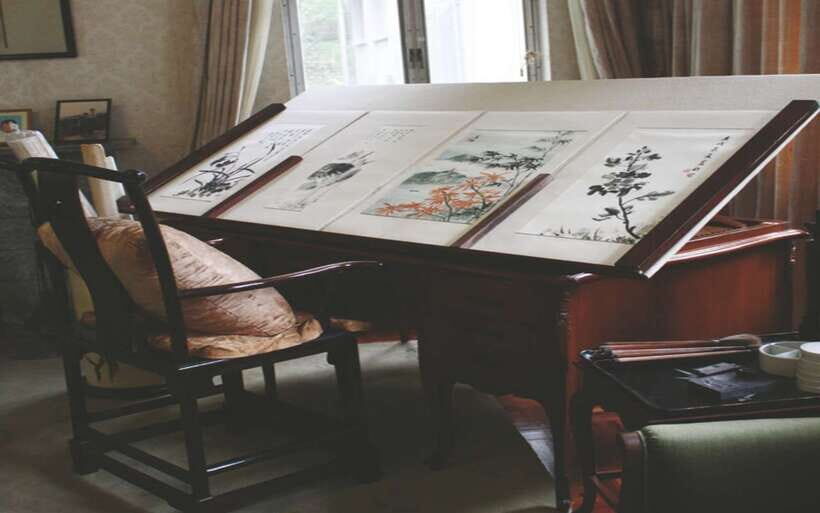
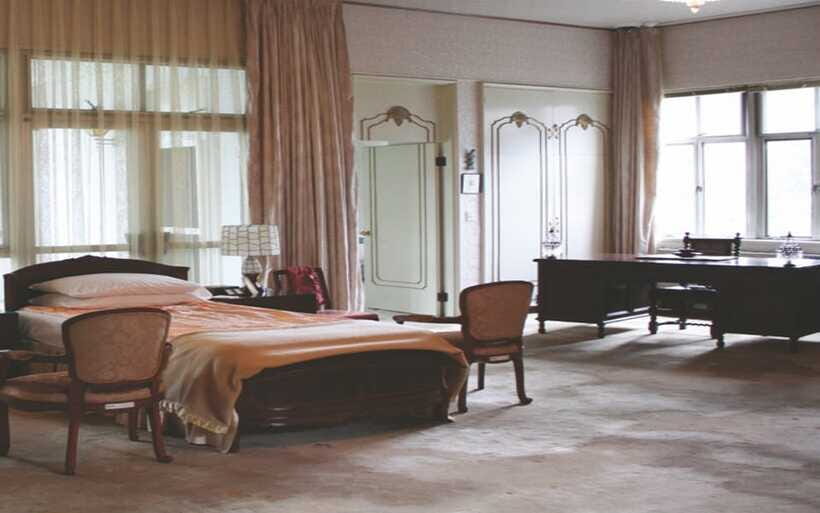
Your ticket includes entrance to the Main Building’s first and second floors. That’s a big deal because many historic-home tickets only give you a single level or just a quick highlight route. Here, you have at least two layers to work with, which helps you understand how public-facing spaces and more private routines would have differed.
The audio guide is included, and it’s available in Chinese, English, and Japanese. I’d treat the audio like your personal floor-by-floor map. Before you start, do a quick check of the language you want, then let it guide your attention to what matters—arrangement, function, and how the spaces connect back to Chiang’s family life.
One practical tip: give yourself enough time to listen while you move. If you rush the audio, you’ll lose the reason it exists—linking architectural choices to how people actually lived inside.
The Architecture Mix: Wood, Reinforced Concrete, and That Slanted Roof Shape
The structure has a clear origin point: it was built from the foundation of a guesthouse the Taiwan Provincial Government constructed in 1949. From there, the residence became more than the starting base. It’s described as a simple, practical two-story building with a slanted roof—an understated shape that fits the “working residence” feel.
Structurally, the building combines wood with reinforced concrete. That hybrid is part of why the site is interesting for architecture fans, because it reflects a practical approach rather than only decorative framing. You’re essentially looking at how materials were chosen for function and stability.
And then there’s the timeline of change. The residence was expanded while Chiang was still alive, and later it underwent restoration in 2006, with the project completed in November 2009. That means what you see now reflects both the original residence idea and the later effort to bring it back.
A Visit That Doesn’t Feel Rushed: Hours, Last Entry, and Closed Days
This site runs on very specific hours, with two daily time blocks. On Tues–Sun, it’s open 09:30–12:00 (last entrance 11:50) and 13:30–17:00 (last entrance 16:50). That last-entrance timing is important because you don’t want to arrive just to find you can’t enter the main building.
On Mondays it’s closed, along with major holidays and festival dates: Chinese New Year, Qingming Festival, Dragon Boat Festival, and Mid-Autumn Festival. There’s also maintenance, described as a two-week period every September, plus occasional special-condition closures.
So what should you do? If your Taipei schedule is tight, aim for the morning slot or the afternoon slot early enough that you still have a cushion for the audio guide. If you’re traveling in spring or summer around the festivals listed, double-check your day—plan a backup option nearby if needed.
Also remember: you’ll present your QR code at the entrance for entry. Bring it up before you reach the gate so you’re not fumbling with Wi‑Fi while others are waiting behind you.






Audio Guide Strategy: Using It to Understand Rooms Fast
Because the audio guide is included, you’re not stuck guessing what each room means. It’s offered in Chinese, English, and Japanese, which makes it practical even if your Mandarin is limited.
I’d do this: start the audio as you enter and keep the volume audible enough to catch details while you walk. The goal isn’t to memorize every fact. It’s to understand why the residence was designed the way it was and how daily domestic life fits into the broader political era.
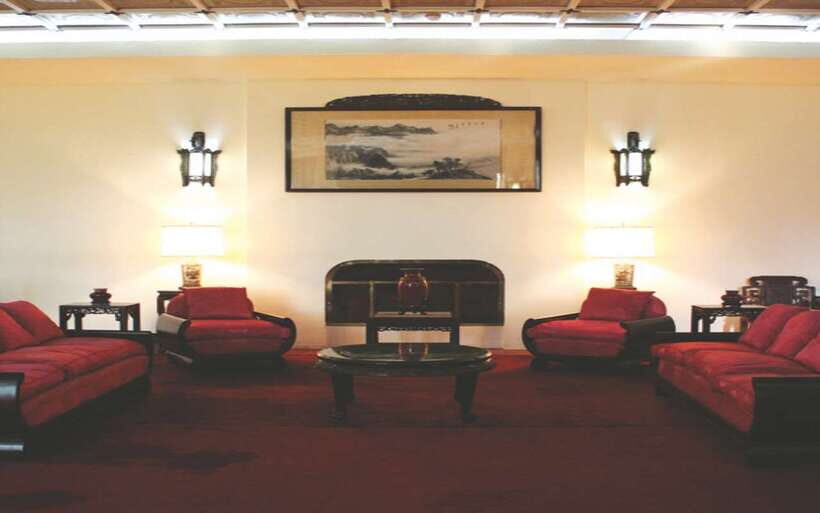
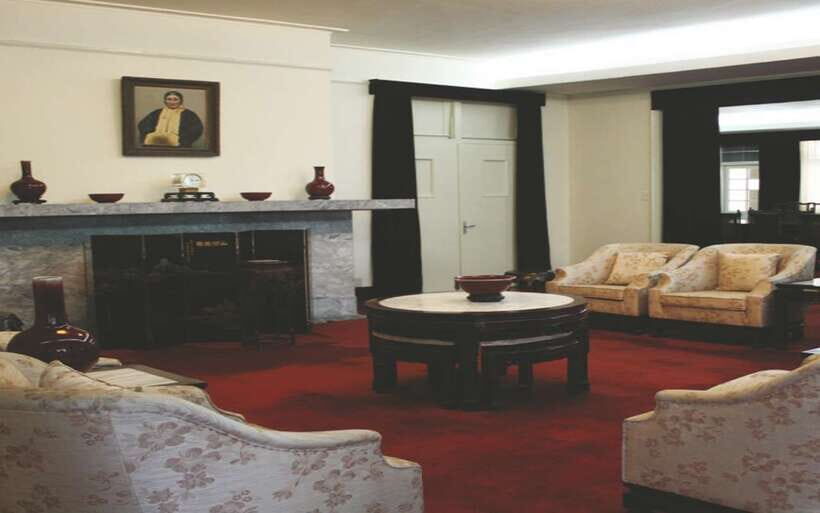
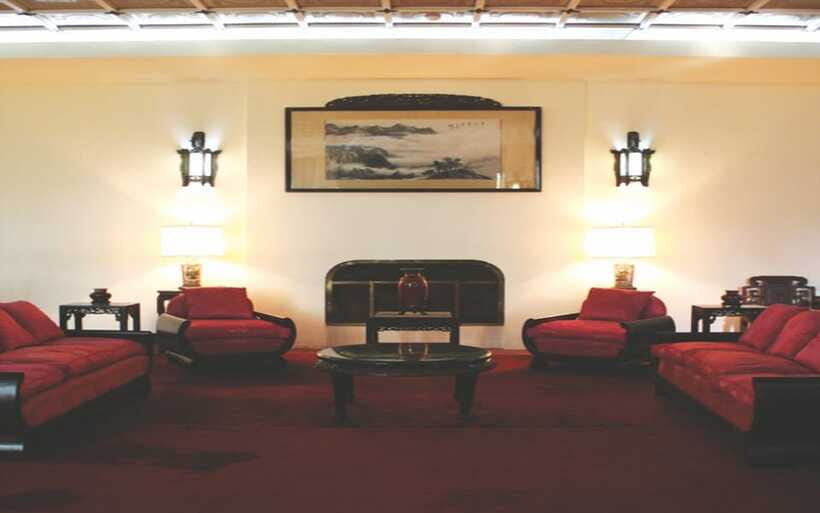
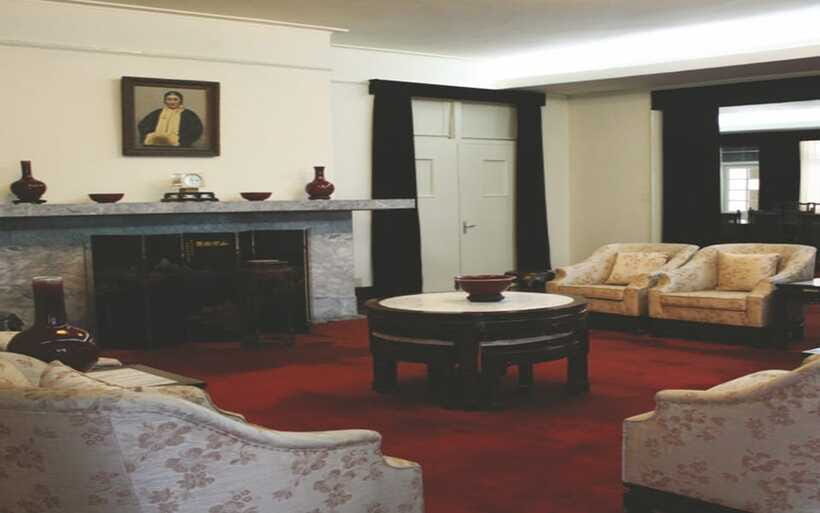
One more reason this audio approach feels worth it: the description mentions the living room arrangement in the Main Building. That’s the kind of detail that’s easy to miss if you’re only looking at furniture. With an audio guide, you’re more likely to pick up the context that helps you imagine family life in the past.
Price and Value: About $3.17 for Main Building + Audio
At about $3.17 per person, this ticket is priced like a bargain compared to many major historic-home experiences around the world. The value comes from what’s included: entry to the Main Building’s first and second floors plus an audio guide.
You also get flexibility. The ticket is valid for 1 day, and the booking method is described as reserve now & pay later. That helps if your Taipei plan could shift because of weather or transit delays.
What you’re not paying for is personal spending, which is standard for most admissions. If you want souvenirs, snacks, or anything else offsite, that’s on you.
Who This Ticket Fits Best (and Who Might Skip)
This Shilin Residence experience is a strong fit if you like history but also care about how people actually lived. It’s especially good for:
- First-time Taipei visitors who want a major historic site without a complicated plan
- Architecture and design fans who enjoy the wood-and-concrete construction story
- Travelers who want a guided feel without joining a loud group tour
It may be a tougher fit if you dislike restrictions or hate following posted rules. One note tied to the experience is that it can feel like there are a lot of prohibitions. If that would annoy you, go in expecting some limits and treat the visit like a calm museum-style stroll rather than free exploration.
Should You Book the Shilin Residence Ticket?
Yes—if you want a low-cost, high-context visit in Taipei, this ticket is an easy recommendation. The combination of Main Building access (two floors) and an included audio guide in English, Chinese, and Japanese makes it simple to do the experience “right,” even if you’re not a Taiwan-history expert.
I’d book it if you’re the type of traveler who likes small details—like the dark-green camouflage design and the way the home’s garden life is described. And I’d especially book it if your schedule is tight, because the hours are clear and the ticket is valid for one day.
Just go in with the right mindset: this is a preserved historic residence, so you’ll follow rules and move thoughtfully. If that works for you, you’ll get a lot for your money.
FAQ
What’s included with the Taipei Shilin Residence ticket?
The ticket includes a full-price ticket, entrance to the Main Building 1st and 2nd floors, and an audio guide.
What languages are available for the audio guide?
The audio guide is available in Chinese, English, and Japanese.
What are the opening hours and last entrance times?
On Tuesday through Sunday, it is open 09:30–12:00 with the last entrance at 11:50, and 13:30–17:00 with the last entrance at 16:50.
Which days is Shilin Residence closed?
It is closed on Monday, Chinese New Year, Qingming Festival, Dragon Boat Festival, and Mid-Autumn Festival, plus regular closures under special conditions.
Do I need to show anything at the entrance?
Yes. You need to present your QR code at the entrance to enter.
Is the site wheelchair accessible?
Yes, the activity is wheelchair accessible.