REVIEW · TAIPEI CITY
From Taipei: Thousand Island Lake and Pinglin Tea Plantation
Book on GetYourGuide →Operated by Edison Tours · Bookable on GetYourGuide
Tea country is a quick reset. This 5-hour trip pairs quiet Thousand Island Lake views with hands-on tea tastings in Pinglin, led by guides like Dave, Sharon, and Gordon. I like how the day connects scenery to tea-growing, not just random photo stops, and the tea instruction is practical. One thing to consider: the route is not for wheelchair users and you’ll be riding a winding mountain road, with timing that can shift in traffic or weather.
If you want an afternoon that feels calmer than Taipei, this is a strong bet. You’ll head into Shiding, then into Pinglin for the tea museum, a tea shop brewing lesson with samples, and finally the old street where you may even catch a tea ceremony. It’s also good value for the time: for about $40, you get a guide plus transportation, and you’re not left to plan between scattered rural sights yourself.
In This Review
- Key moments that make this tour work
- From Taipei to Shiding: the winding drive that sets the tone
- Thousand Island Lake in Shiding: fast stop, big scenery payoff
- Bagua Tea Garden: tea rows that echo Eight Trigrams
- Pinglin Tea Museum: history in a Hokkien Siheyuan courtyard
- Tea shop lesson + tasting: what you can actually repeat at home
- Pinglin Old Street and the tea ceremony closer
- Price and logistics: getting good value without overplanning
- Who should book this, and who should skip it
- Should you book Thousand Island Lake and Pinglin Tea Plantation?
- FAQ
- How long is the Thousand Island Lake and Pinglin tea tour?
- Where do I meet the guide for the group option?
- Is hotel pickup included?
- What’s included in the price?
- Is lunch or bottled water included?
- What languages are offered?
- Is the tour wheelchair accessible?
Key moments that make this tour work
- Thousand Island Lake (Qiandao Lake): a short, scenic stop with big photo payoff
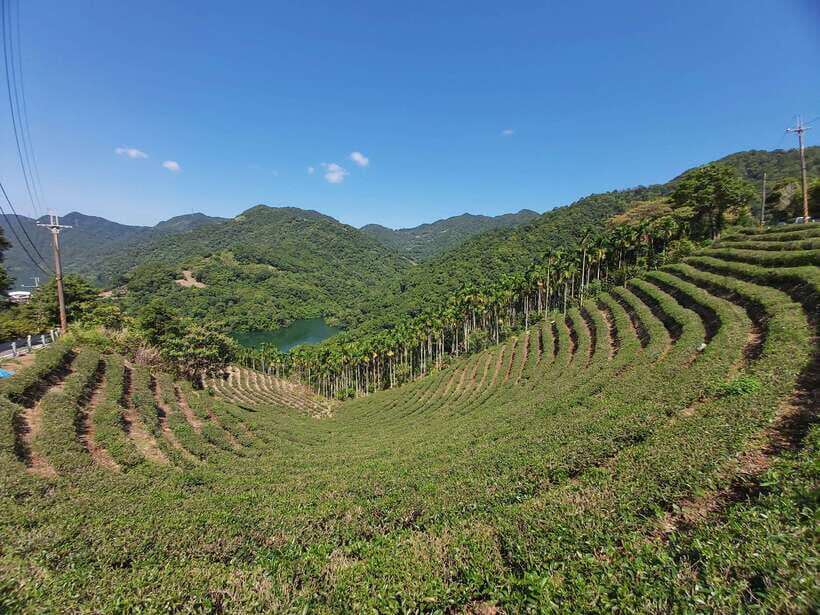
- Bagua Tea Garden: tea rows shaped around the Eight Trigrams idea
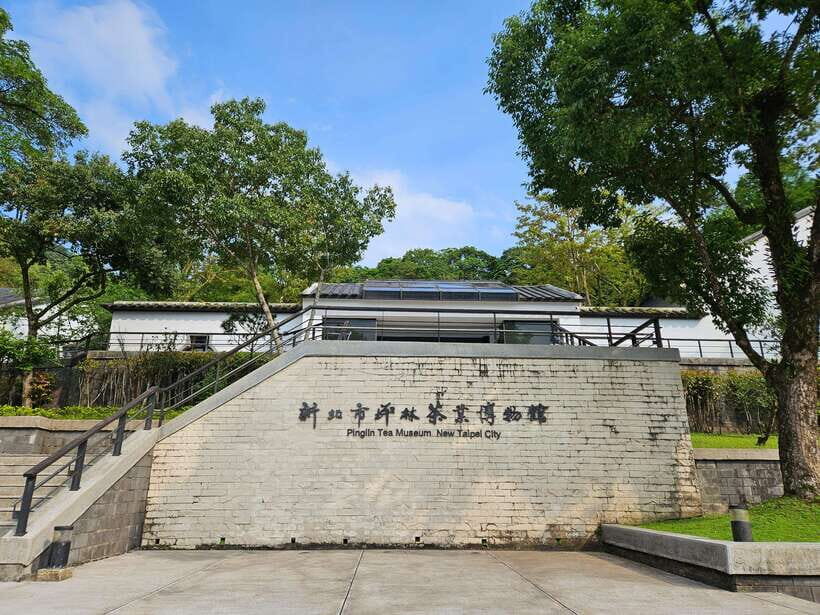
- Pinglin Tea Museum: tools and history in a Hokkien-style Siheyuan courtyard setting
- Tea tasting with brewing instruction: samples plus a lesson you can actually use later
- Pinglin Old Street + tea ceremony: a cultural closer that fits the short half-day format
- Guaranteed departure: it runs even with a small group (minimum 1 participant)
From Taipei to Shiding: the winding drive that sets the tone
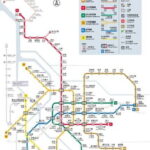
You start with a simple pick-up plan. Meet at MRT Zhongxiao Xinsheng Station (BL14 / O07), Exit 2, and look for your guide holding an Edison Tours flag. If you book the private option, hotel pickup and drop-off are included, which makes the logistics feel almost effortless.
Then comes the mountain road. Expect twisty turns and more time-than-you-think in the vehicle as you climb toward Shiding and the tea belt around Feitsui Reservoir. One review note that matters for your comfort: drivers often take those turns slowly, which can help if you’re prone to motion sickness. If that’s you, bring what you normally use and wear something comfortable.
The timing also isn’t rigid like a city hop. The tour operator adjusts the order and time at stops based on traffic and weather, which is realistic for rural New Taipei City. I like this approach because it tends to keep you from rushing through viewpoints when fog or rain rolls in.
You can also read our reviews of more tours and experiences in Taipei City.

Thousand Island Lake in Shiding: fast stop, big scenery payoff
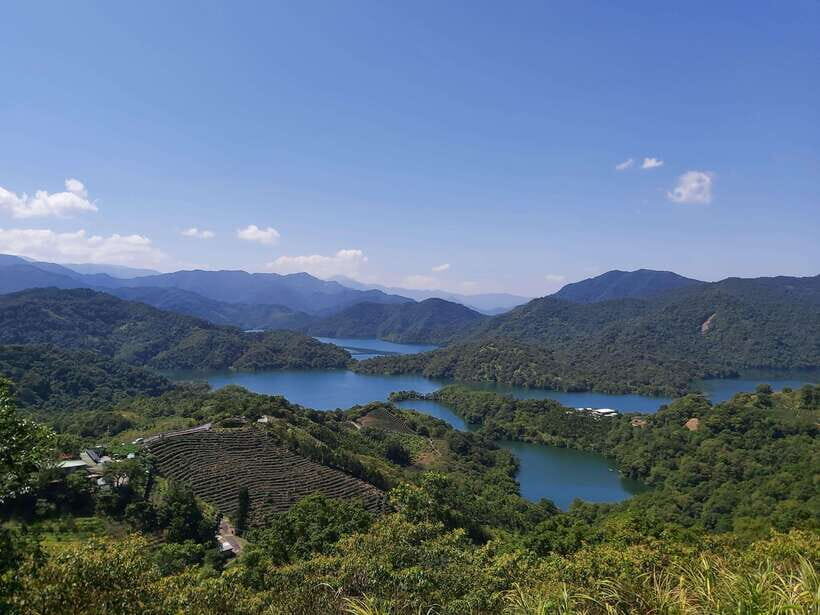
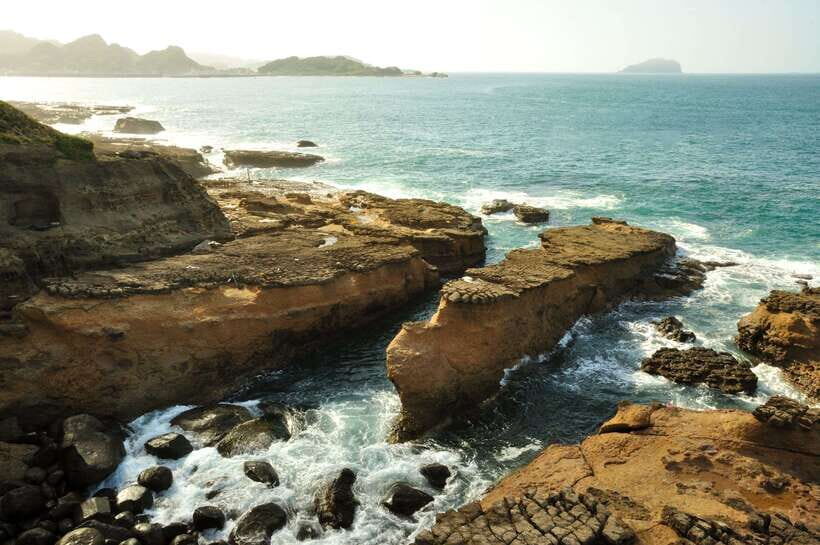
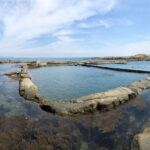
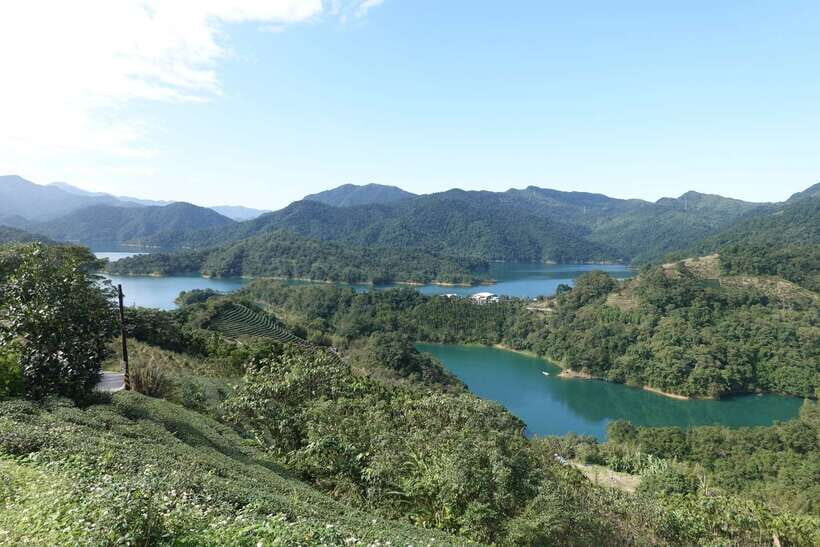
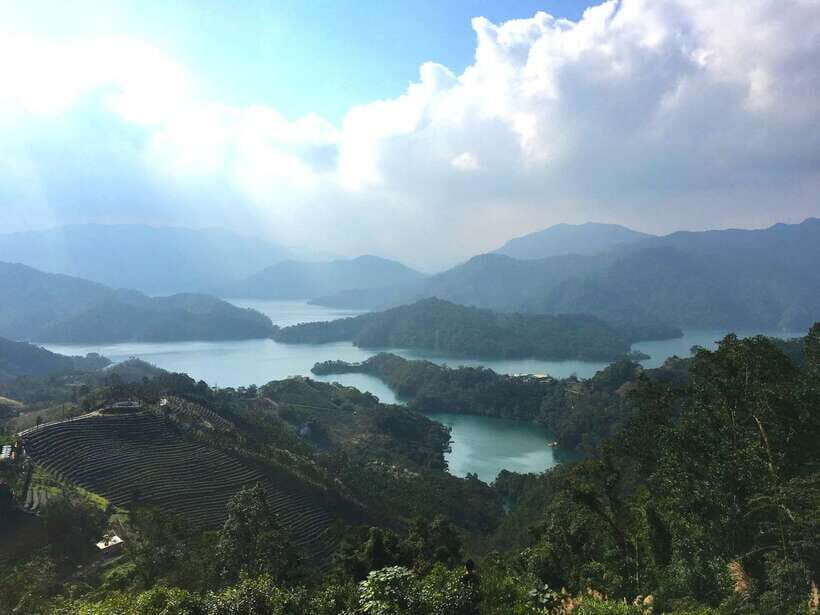
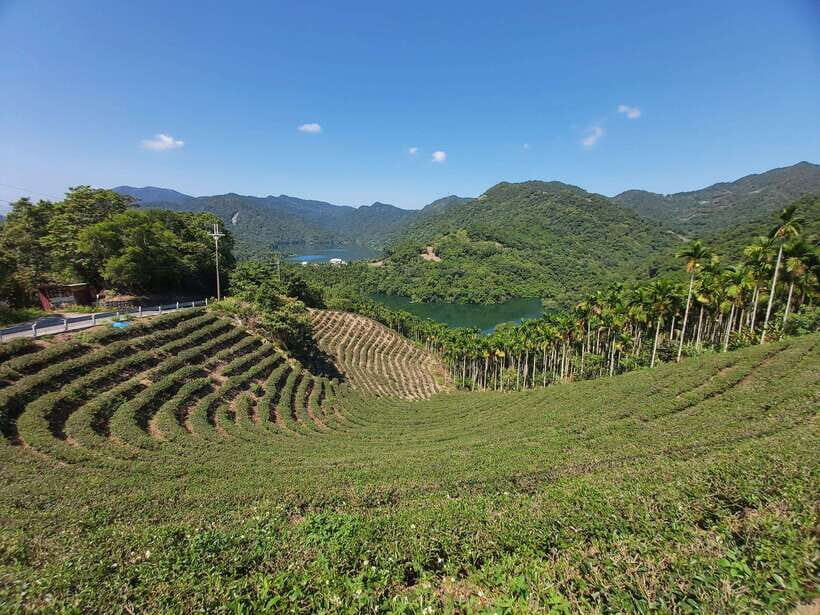
Your first real taste of the countryside is Shiding Thousand Island Lake, known in Chinese as Qiandao Lake—literally a lake with thousands of islands. This isn’t about hiking for hours. It’s about seeing the reservoir-country panorama from the right vantage point and then connecting that look to how tea farming fits into the hills.
The area sits within the catchment of Feitsui Reservoir, surrounded by rolling terrain and a climate suited to farming tea. That matters because the tour doesn’t treat the lake and tea as separate experiences. You’re looking at the same hill-and-water system that creates the conditions tea growers depend on.
You’ll have roughly 20 minutes to visit and sightsee here. That’s enough time to get a few good photos and soak in the calm, but it’s also short enough that you won’t spend your entire afternoon stuck in traffic or queuing. If the weather turns gray, this lake stop can still work well—cloudy light often makes the tea hills look softer and less harsh.
Practical note: wear shoes with decent grip. Even quick stops can involve uneven surfaces near viewpoints, and you’ll be moving between different spots during the day.
Bagua Tea Garden: tea rows that echo Eight Trigrams
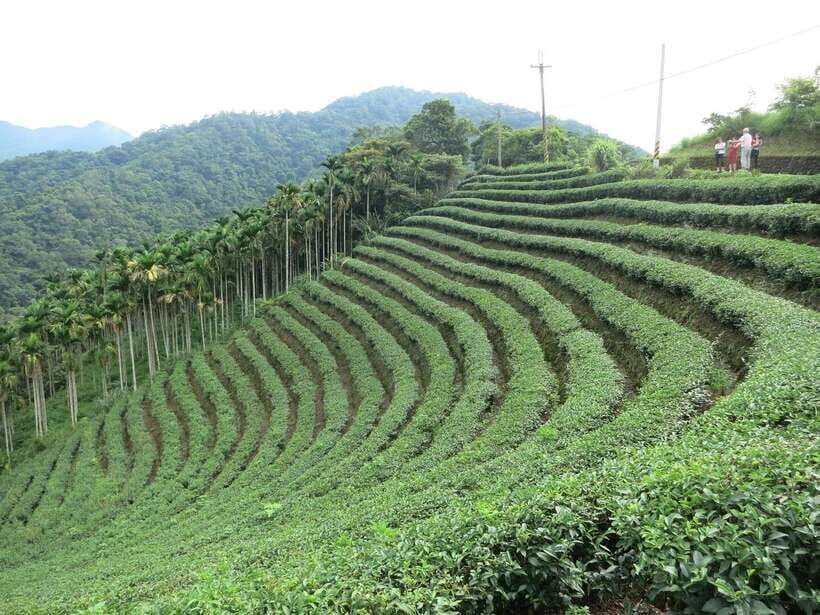
After the lake, you head deeper into tea farmland country for the Bagua Tea Garden stop (about 25 minutes). The big idea here is visual: tea is planted in orderly rows arranged to resemble the symbols of Eight Trigrams.
This is the kind of place where the view is part meaning and part photo. From higher up, the geometry of tea fields makes the region feel planned rather than random. I like this because it gives you a mental map: tea farms aren’t just plots—they’re shaped by local knowledge, land, and tradition.
You’ll also be on the kind of rural roads where you can feel the difference from Taipei fast. No big-city rush. Just hills, tea rows, and quiet breaks in between stops.
One consideration: this stop is short. If you’re the type who loves to wander slowly and read every sign, you might want more time. Still, for a half-day format, the time is used well: enough to see the pattern and understand what you’re looking at, without dragging your afternoon.
Pinglin Tea Museum: history in a Hokkien Siheyuan courtyard
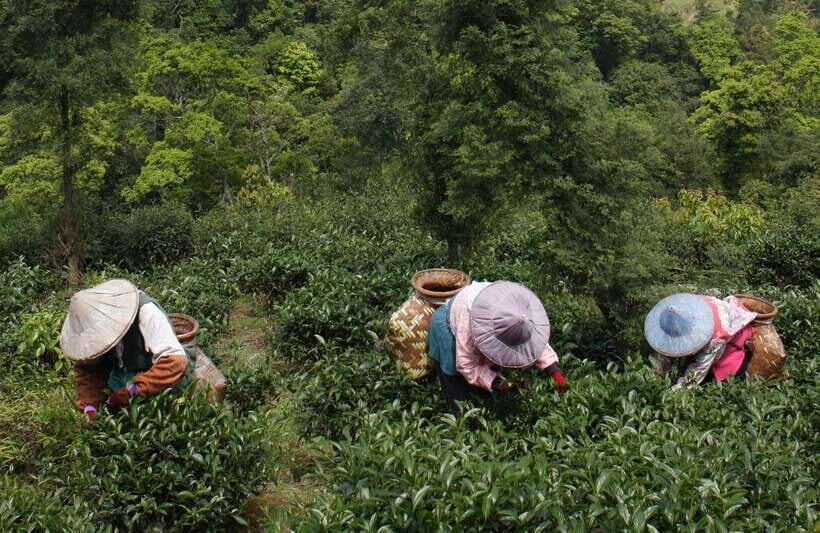
Next, you shift from outdoors to context. In Pinglin, the tour starts at the Pinglin Tea Museum, set in a Hokkien-style Siheyuan—a traditional quadrangle courtyard house. That building type matters because it helps you see tea culture as something domestic and everyday, not just a commodity.
Inside, you’ll see tools and equipment for tea harvesting in the past and learn how Taiwanese tea developed over time. You also get a clearer view of why specific teas became famous in this region. For example, the Shiding and Feitsui Reservoir area is linked to well-known varieties like Wenshan Pouchong and Dong Fang Mei Ren (Oriental Beauty Oolong).
Then comes a smoother bridge: the tour moves you from history into technique. The museum stop sets up what you’ll taste later. You’re not just told names—you’re shown the tools and the process background, so the next tea instruction lands better.
Time-wise, this portion is bundled within the larger Pinglin tea area, which runs about 70 minutes total for the Pinglin plantation/tea museum/tea shop segment. That usually gives enough flow to avoid a rushed feeling.
If you’re rain-sensitive: museums are a useful fallback. And if the museum happens to be closed on your day, the tour may shift you toward the village and old street experience instead (one past group noted this kind of swap when the museum wasn’t available).
Tea shop lesson + tasting: what you can actually repeat at home
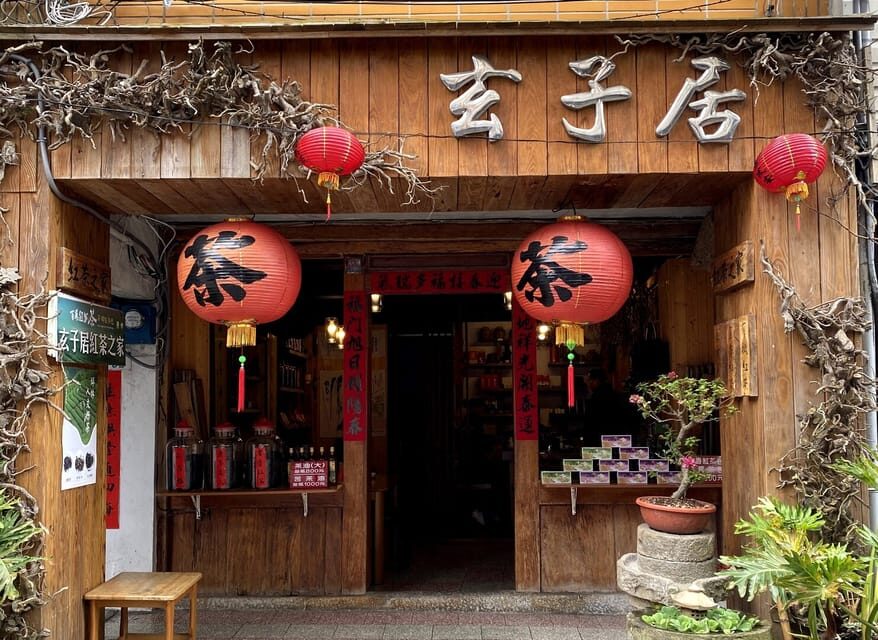
This is usually the highlight for tea lovers, and it has a clear structure. At the local tea shop, your guide and a tea instructor explain Taiwanese tea and how to brew it properly. Then you get tea samples to taste.
I like that this isn’t only about sipping. The lesson focuses on how you brew, which helps you understand why teas taste different even when you think you’re just drinking tea. It’s especially useful if you mostly drink tea that comes in bags or cold-brew styles at home. The goal here is to help your future cups make sense.
The variety matters too. Since this area is tied to Wenshan Pouchong and Oriental Beauty Oolong, you’re in the right place for flavors that have their own character. In past sessions, people have called out tasty finds like honey black tea, and the tasting experience is often described as fun and memorable—not stiff or salesy.
Also: the tour includes tea tasting, but food and drinks are not included, and bottled water isn’t included. So plan to grab water during the day, especially if the weather is warm.
One more practical detail: the day asks you to bring cash. That’s mainly for any tea shop purchases or small expenses during the stops. The tour experience isn’t described as pushy—one group specifically noted there’s no pressure—but having cash gives you freedom.
Pinglin Old Street and the tea ceremony closer
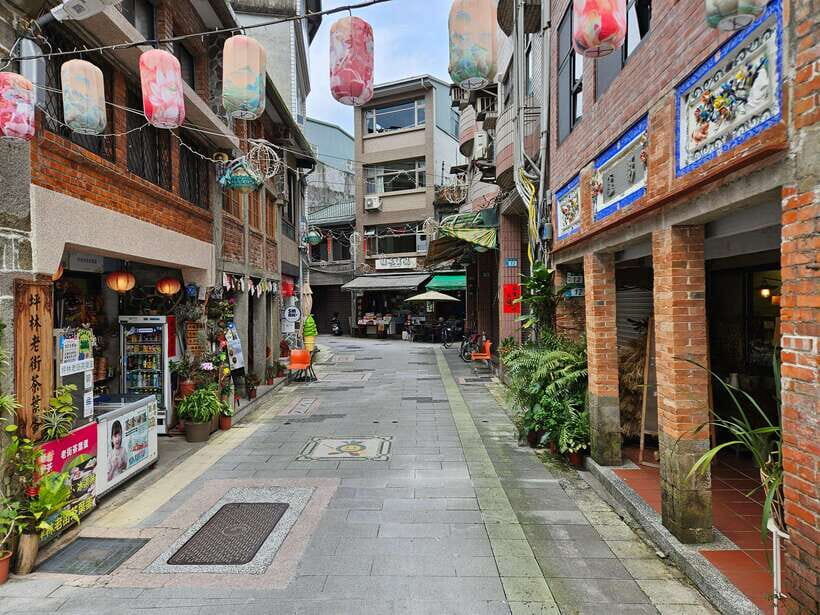
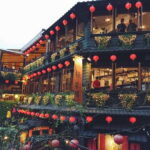
To finish, you head to Pinglin Old Street for about 30 minutes, where the pace shifts toward culture and atmosphere. This is where the day becomes more than sightseeing. The old street setting gives you a sense of how tea culture plays out in daily life—shops, little signs of craft, and people moving slowly.
The tour includes a tea ceremony moment here. Even if you only catch the brief version, it’s a nice way to land the lesson you learned earlier in the day: brewing technique becomes ritual, and tasting becomes story.
This stop is also a good photo break without feeling like you’re trapped in a long market walk. You get enough time for a look around and to connect the tea museum history with how the neighborhood feels now.
Price and logistics: getting good value without overplanning
At about $40 per person for a 5-hour outing, the value is mostly about what you don’t have to do. You’re paying for:
- Air-conditioned transportation
- A tour guide
- Tea tasting
- Local insurance coverage
You’re not paying extra for the ride between the lake and tea village, which is the biggest planning headache when you’re limited to half a day. In rural New Taipei City, taxis and buses can work, but they won’t feel as smooth as a scheduled pickup.
What’s not included is equally important:
- Food and drinks
- Bottled water
So budget for lunch snacks (or a post-tour meal). Also, remember the tour doesn’t allow oversize luggage or large bags. If you’re traveling light, you’ll enjoy this more.
One small plus: the tour mentions guaranteed departure with a minimum of 1 participant, so you’re less likely to lose an afternoon plan just because a group didn’t form.
Who should book this, and who should skip it
This tour is built for people who like:
- Tea (and want more than a quick tasting)
- Rural scenery around Taipei
- A structured half-day format that still leaves time to enjoy
You’ll also appreciate it if you like asking questions. Multiple guide names show up in past groups—Dave, Sharon, Gordon, Jeannie, Chiara, and others—and the consistent theme is that guests felt comfortable getting details and clarifications.
But skip it if:
- You use a wheelchair or need mobility assistance (the tour is not accessible)
- You want lots of free wandering time (this is a scheduled circuit)
- You’re arriving with unaccompanied minors (not allowed)
Wear comfortable shoes, plan on some walking around viewpoints and street areas, and keep your expectations realistic for a 5-hour window.
Should you book Thousand Island Lake and Pinglin Tea Plantation?
I’d book this if you want a calm break from Taipei that still feels meaningful. The pairing works: the lake gives the scenery, and Pinglin gives the tea education, with tasting as the glue. For the price, getting transportation and a tea tasting + instruction package together is hard to beat.
I wouldn’t book it if tea isn’t your thing. The museum and tasting are central, not optional add-ons. And if you need full accessibility, this one isn’t the right fit.
If your schedule is tight and you want an afternoon that’s both scenic and practical, this is one of those tours that just makes sense.
FAQ
How long is the Thousand Island Lake and Pinglin tea tour?
The tour duration is 5 hours.
Where do I meet the guide for the group option?
Meet at MRT Zhongxiao Xinsheng Station (BL14 / O07), Exit 2. The guide waits near the exit holding an Edison Tours logo flag.
Is hotel pickup included?
Hotel pickup and drop-off are included if you choose the private option. Otherwise, meeting is at the MRT station.
What’s included in the price?
Included are air-conditioned transportation, a tour guide, tea tasting, and local general liabilities insurance. Private options also include hotel pickup and drop-off.
Is lunch or bottled water included?
No. Food and drinks are not included, and bottled water is not included either.
What languages are offered?
Live tour guidance is available in Chinese, English, Vietnamese, and Traditional Chinese. Private tours also offer additional language options.
Is the tour wheelchair accessible?
No. The tour is not accessible for wheelchair users or people with physical disabilities.