REVIEW · TAIPEI CITY
Taipei: National Palace & Shung Ye Aborigines Museums Ticket
Book on GetYourGuide →Operated by Fontrip · Bookable on GetYourGuide
A day in Taipei that hits two sides of Taiwan’s identity. You get the National Palace Museum for world-famous Chinese treasures, then the Shung Ye Museum to understand Taiwan’s recognized Aboriginal tribes. I like that this ticket is straightforward: two major museums, one day, and you can plan your pace.
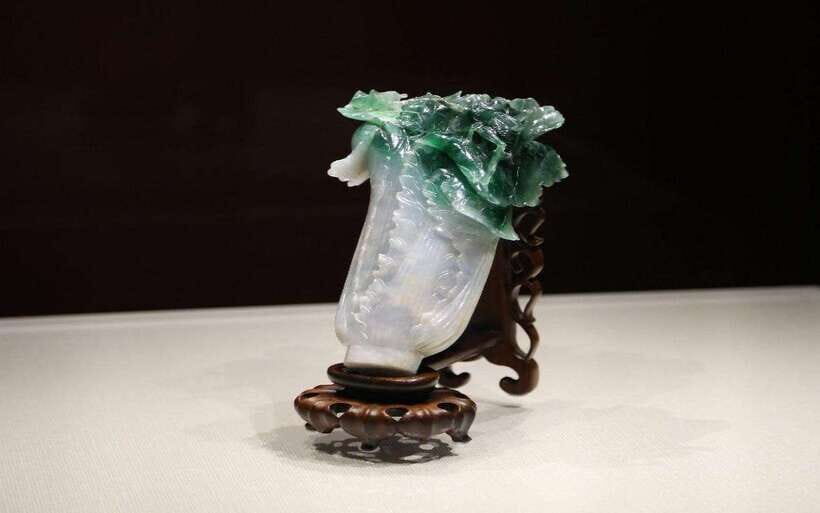
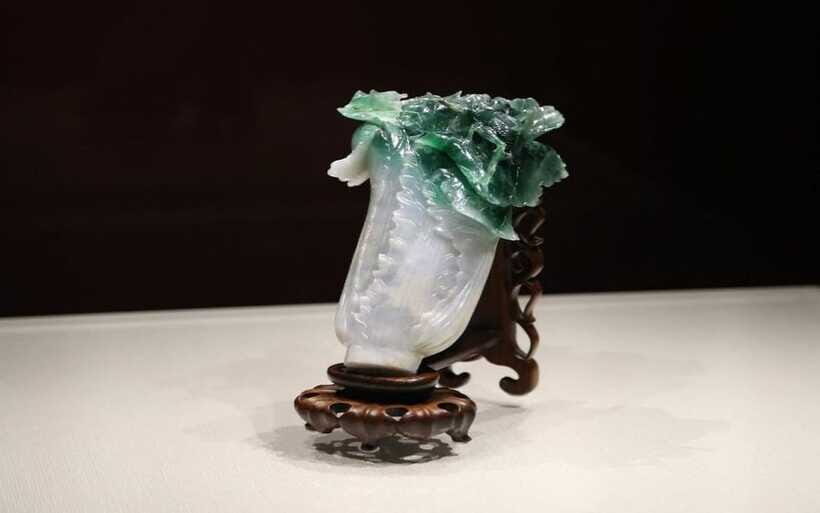
I especially love the wow-factor of specific National Palace Museum masterpieces, like the Jadeite Cabbage and the Meat-Shaped Stone. And I like how the Shung Ye Museum adds context with traditional clothing, hunting tools, and ceremonial items tied to Taiwan’s 14 tribes.
One thing to consider: the Aboriginal-focused museum is smaller, so if you want wall-to-wall exhibits for hours, plan your expectations and timing accordingly.
In This Review
- Key things to know before you go
- Two museums, one ticket: what you actually get in Taipei
- National Palace Museum: 5,000 years of Chinese art you can actually manage
- Jadeite Cabbage, bronze ritual vessels, and calligraphy scrolls
- Shung Ye Museum of Formosan Aborigines: 14 tribes, real artifacts, and a clear purpose
- Pacing a full day: how to split your time between the two museums
- Museum rules that affect your photos, snacks, and comfort
- Price and value: is $12 worth your one-day ticket?
- Who this Taipei ticket fits best
- Should you book this National Palace & Shung Ye ticket?
- FAQ
- How much is the Taipei National Palace & Shung Ye Aborigines Museums ticket?
- How long is the ticket valid?
- Does this ticket include entry to both museums?
- Can I skip the ticket line?
- Is a guided tour included?
- Are food and drinks allowed inside the exhibit areas?
- Is flash photography allowed?
- Is wheelchair access available?
- Do I need hotel pickup or drop-off?
- What are my cancellation and payment options?
- What language support is available?
Key things to know before you go
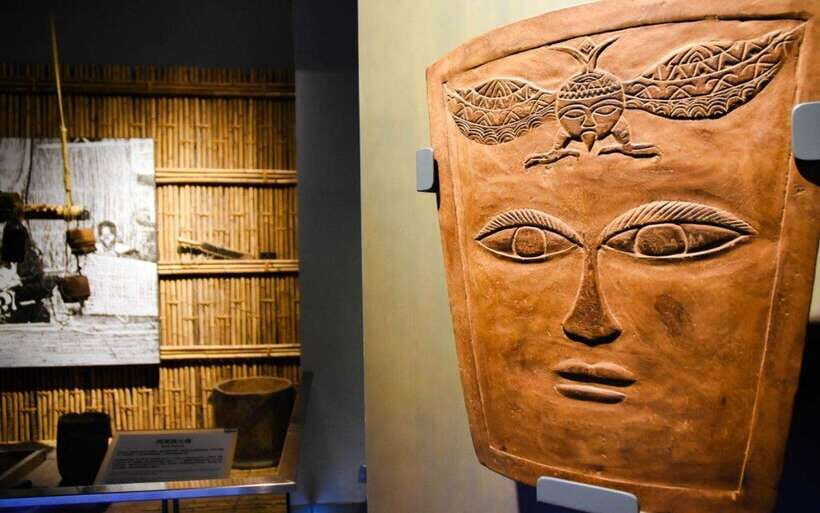
- Two museum icons, one ticket: National Palace Museum plus Shung Ye Museum of Formosan Aborigines in a single day
- Fast entry: you can use the skip-the-line ticket method, and QR-code style entry is quick at the gate
- National Palace Museum must-sees: Jadeite Cabbage, Meat-Shaped Stone, Bronze Ritual Vessels, and Calligraphy Scrolls
- Aboriginal culture focus: displays connect you to traditional clothing, hunting tools, and ceremonial artifacts
- Helpful for first-timers: the National Palace Museum layout can feel manageable even with a huge collection
- Museum rules matter: flash photography is not allowed, and food/drinks aren’t permitted in exhibit areas
Two museums, one ticket: what you actually get in Taipei
This is a single-day ticket that bundles admission to both Taipei cultural heavyweights: the National Palace Museum and the Shung Ye Museum of Formosan Aborigines. For the price point (about $12 per person), you’re buying time-saver value: you’re not doing two separate ticket hunts or juggling different entry rules.
You also get access to both permanent and special exhibits at each museum. That matters because both places rely on rotating displays and long-running galleries, so you’re not locked into only one type of content.
The big practical upside: you can build your own flow. There’s no guided tour included, which means you can linger where your interests land—art first, or indigenous culture first.
A few more Taipei City tours and experiences worth a look

National Palace Museum: 5,000 years of Chinese art you can actually manage
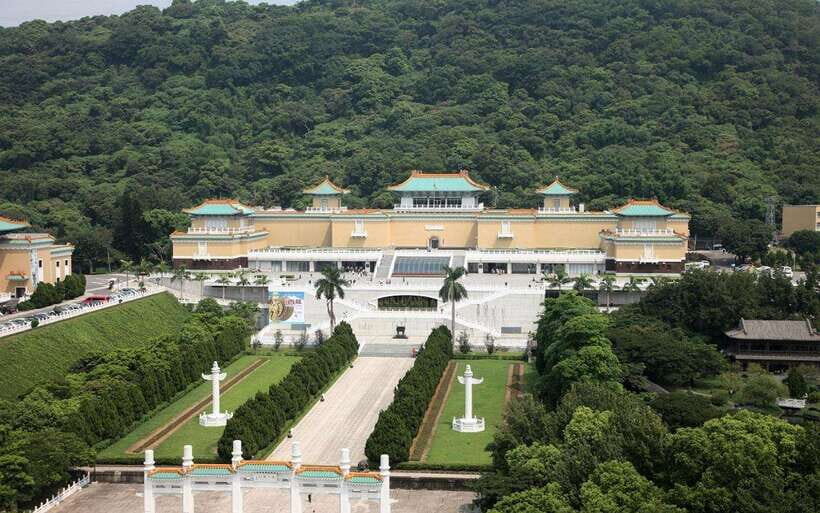
The National Palace Museum is known for housing one of the world’s largest collections of ancient Chinese artifacts and artwork. If that sounds overwhelming, you’re not wrong. But the museum’s physical organization helps—at least, it tends to feel more manageable than the size of the collection suggests.
What I like about it for your planning is the clear “anchor” quality. You’re not hunting for meaning; you’re walking through recognizable themes across centuries, and the galleries build toward famous masterpieces.
A useful way to think about your time here is as a journey through long stretches of Chinese history. The museum’s collection spans over 5,000 years, so you’ll see art tied to dynasties, court taste, ritual objects, and writing traditions—not just decorative pieces.
Jadeite Cabbage, bronze ritual vessels, and calligraphy scrolls
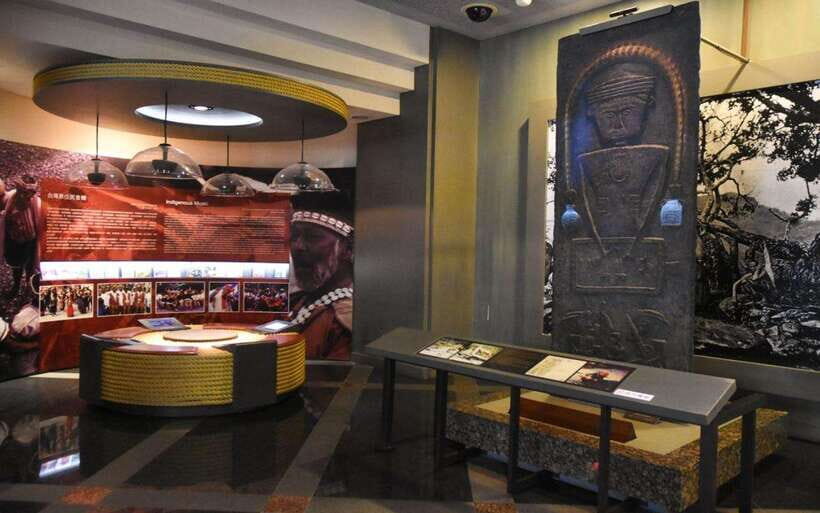
If you’re only going to remember three things from the National Palace Museum, make them the objects that everyone points to for a reason.
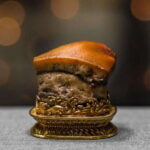
Start with the Jadeite Cabbage. It’s the kind of artifact that earns its nickname because the craftsmanship feels precise and alive, not museum-dry. Close by, the Meat-Shaped Stone is another highlight that shows how collectors and courts treated objects as serious statements of taste and identity, not casual curiosities.
Then look for the Bronze Ritual Vessels. These aren’t just “old metal.” They connect you to ritual and power—objects designed to be part of ceremonies where form and symbolism mattered.
Finally, don’t skip the Calligraphy Scrolls. Writing here isn’t just language; it’s visual rhythm. If you enjoy art that rewards patience, scrolls can become your favorite stop because you can keep returning to details.
One smart tip from experience-style guidance: an audio guide can help you focus on the most meaningful exhibits. Without that, you might feel like you’re moving through an art warehouse. With it, you can pick out the stories that connect objects to their cultural purpose.
Shung Ye Museum of Formosan Aborigines: 14 tribes, real artifacts, and a clear purpose
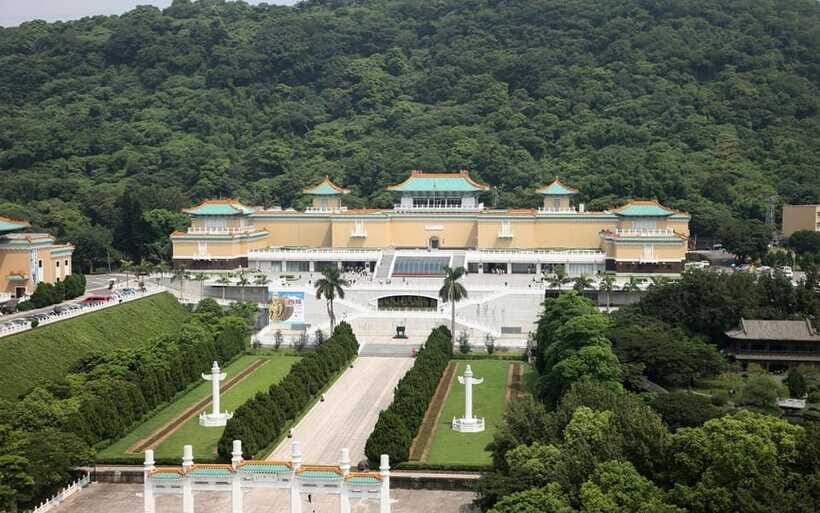
After the scale of the National Palace Museum, the Shung Ye Museum feels like a change in tempo. It’s much smaller and narrower in scope, but that can be a strength if you’re trying to understand Taiwan’s identity beyond imperial history.
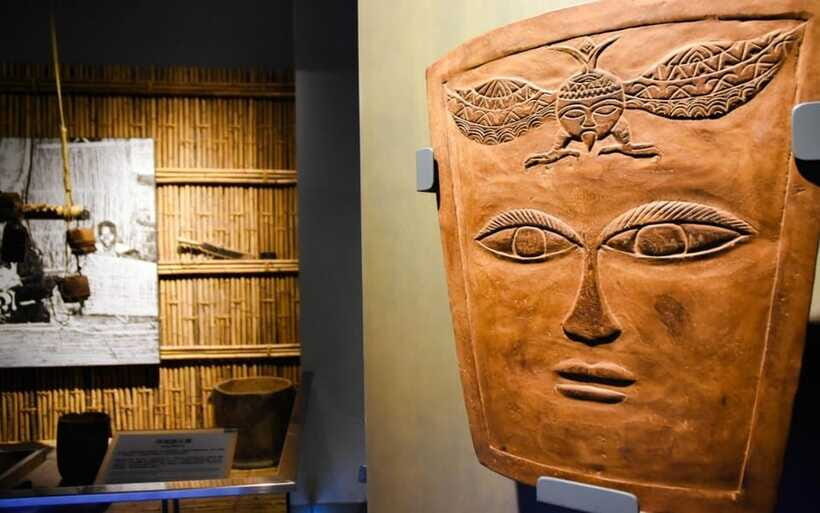
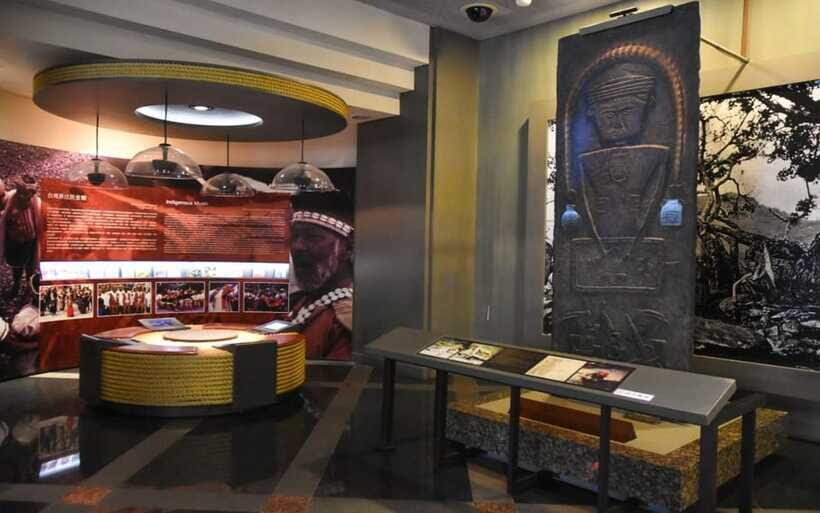
This museum centers on Taiwan’s 14 recognized Aboriginal tribes. You’ll see traditional clothing, hunting tools, and ceremonial artifacts—items that point to daily life and cultural practice, not just background trivia. The goal is to help you understand how these communities lived, made tools, expressed identity, and carried traditions over time.
I like that the museum doesn’t leave you with only static objects. It includes immersive multimedia displays that help explain traditions and lifestyles in a more direct way than labels alone. That’s especially useful if you don’t know the tribes’ histories before you arrive.
There’s also a sense of what Taiwan has had to deal with historically. The exhibits highlight how indigenous cultures have suffered from colonialism and occupation, which adds weight to the artifacts you’re seeing. In plain terms: it’s not just culture-as-decor. It’s culture-as-memory and culture-as-resistance.
Pacing a full day: how to split your time between the two museums
With this ticket, you’re choosing your own order and your own rhythm, but there’s a practical logic to many itineraries: National Palace Museum first, then Shung Ye.
National Palace Museum tends to take longer because of the breadth. Even when the layout is manageable, you can still lose time if you stop at everything. If you use an audio guide, you’ll naturally spend a healthier amount of time per gallery instead of rushing to “get it done.”
Shung Ye, on the other hand, is easier to finish in less time. That’s great if you still want energy afterward for a walk, tea, or a meal nearby. It’s also good if you prefer focused learning over long museum marathons.
A balanced way to plan:
- Give the National Palace Museum enough time to see a handful of signature works and read enough to connect them.
- Treat Shung Ye as a concentrated learning session—expect less volume, more meaning.
- Leave a little buffer. If you’re the kind of person who pauses for photos and descriptions, that buffer prevents museum fatigue.
You can also read our reviews of more museum experiences in Taipei City
Museum rules that affect your photos, snacks, and comfort
Before you go, know the “in-museum reality” rules so you don’t get surprised.
- Flash photography is not allowed inside the museums. If you like taking images, plan for regular light and phone settings that don’t rely on flash.
- Food and drinks are not allowed inside exhibit areas. That means you should eat before you enter galleries or plan to step out for snacks elsewhere.
- Wheelchair accessibility is limited, and it’s not suitable for wheelchair users based on the provided information. If mobility is an issue, it’s worth thinking about whether you can navigate the spaces comfortably.
These rules shape the experience more than you might think. No flash changes how you shoot photos. No snacks inside galleries changes how you pace your visit. And limited accessibility can affect how much you’re willing to move between rooms.
Price and value: is $12 worth your one-day ticket?
For $12 per person (for admission to both museums), I think this ticket is strong value if your goal is cultural contrast in one day. You’re paying for access to two major institutions that would otherwise mean separate ticketing, separate entry procedures, and extra time sorting logistics.
The value improves further because both museums hit different learning goals:
- National Palace Museum = large-scale Chinese art and artifacts across more than 5,000 years
- Shung Ye Museum = indigenous Taiwanese culture through traditional objects tied to 14 recognized tribes
If you’re short on time in Taipei and want a high-return day, this ticket makes sense. If you love long museum days with lots of content at every stop, you may feel Shung Ye is brief. If that’s you, you can still enjoy it as a focused cultural lesson, but your expectations should match the museum’s smaller scope.
Who this Taipei ticket fits best
This ticket is a good match if you:
- Want a two-topic day: imperial Chinese art plus Taiwan’s Aboriginal heritage
- Like learning through objects—signature masterpieces at NPM, and traditional artifacts at Shung Ye
- Prefer independent pacing (since guided tours aren’t included)
- Want a low-stress plan: skip-the-line entry and a one-day pass
It’s also ideal for first-time Taipei museum visits because you’re hitting two places with clear reputations. The National Palace Museum gives you big-name highlights, and Shung Ye gives you a different layer of meaning that many first-timers don’t get on shorter schedules.
Should you book this National Palace & Shung Ye ticket?
If your schedule allows one day and you want the best “cultural mashup” Taipei can offer, I’d book it. The combination of world-famous artifacts—like the Jadeite Cabbage—and a museum focused on Taiwan’s 14 Aboriginal tribes makes the ticket feel more intentional than a random pair of attractions.
I’d especially recommend it when you’re the type who likes specific works and stories more than checklist tourism. Plan to slow down at NPM for at least a few standout objects, then use Shung Ye as your meaning-maker.
Skip it only if you know you want a long, high-volume museum marathon at both stops. In that case, Shung Ye may feel short, since it’s smaller in scope. But even then, its focus on indigenous culture gives it weight that’s hard to replace.
FAQ
How much is the Taipei National Palace & Shung Ye Aborigines Museums ticket?
The price is listed as $12 per person.
How long is the ticket valid?
It’s valid for 1 day. You’ll want to check availability for starting times.
Does this ticket include entry to both museums?
Yes. It includes admission to the National Palace Museum and the Shung Ye Museum of Formosan Aborigines, with access to permanent and special exhibits.
Can I skip the ticket line?
Yes. The ticket includes skip-the-ticket-line entry.
Is a guided tour included?
No. Guided tours are not included.
Are food and drinks allowed inside the exhibit areas?
No. Food and drinks are not allowed inside the exhibit areas.
Is flash photography allowed?
No. Flash photography is not allowed inside the museums.
Is wheelchair access available?
Wheelchair accessibility is listed as limited, and the experience is noted as not suitable for wheelchair users.
Do I need hotel pickup or drop-off?
No. Hotel pickup and drop-off are not included.
What are my cancellation and payment options?
You can cancel for a full refund up to 24 hours in advance. It also offers a reserve now & pay later option.
What language support is available?
The provided info indicates languages in the context of cancellation/refund and booking terms, but it doesn’t list specific on-site languages.
You Might Also Enjoy
 Alishan One Day Tour from Taichung
 Full-Day Tour in Shifen, Jiufen & Yehliu of Taipei (Incl. ticket)
 WoknRoll Taipei Walking and Historical Food Tour
 One-day private chartered car tour in Taipei: Yehliu, Jiufen, Pingxi, North Coast popular attractions with chartered car, professional Chinese/English driver