REVIEW · TAIPEI
WoknRoll Taipei Walking and Historical Food Tour
Book on Viator →Operated by Wok n' Roll Taipei · Bookable on Viator
Old Taipei smells like breakfast and street smoke. This Wok n’ Roll Taipei tour is built around the kind of places locals actually use: a traditional wet market, plus side streets and temple corners in Dadaocheng and along Dihua Street, where food is tied to daily life, not just photos. It’s also the kind of area that feels quietly legendary—Taiwan has even been called a best-kept secret, and this tour shows you why.
I also love the fact that you’re not stuck in a long, slow crawl. You get 10 varieties of local foods and drinks over about 2 to 3 hours, and the pacing is just right for trying more than one style of Taiwanese snack without needing a big second meal right after. One thing to consider: this is real walking on real streets, and the tour works best with good weather, so plan for some outdoor time and bring shoes that handle uneven pavement.
In This Review
- Key highlights at a glance
- Why Dadaocheng and Dihua Street work so well for food
- The tour structure: how the 2–3 hours actually feel
- Stop 1: Dihua Street and the market-lane style of Taipei
- How you eat: 10 snack varieties, no guessing required
- The historical context you actually use
- Walking practicality: timing, pace, and what to wear
- Meeting point and getting there from Beimen MRT
- The guide experience: CC and what people liked most
- Pricing and value: what you’re paying for at $85
- Who should book this tour (and who might skip)
- Smart tips before you go
- Should you book WoknRoll Taipei?
- FAQ
- How long is the WoknRoll Taipei Walking and Historical Food Tour?
- What is the price per person?
- What time does the tour start?
- Where does the tour start and how far is it from MRT?
- Where does the tour end?
- What’s included in the tour price?
- How many people are in a group?
- Is a mobile ticket used?
- What happens if the weather is poor?
- Can I cancel for a full refund?
Key highlights at a glance
- Dadaocheng and Dihua Street wandering with market lanes and historic street textures
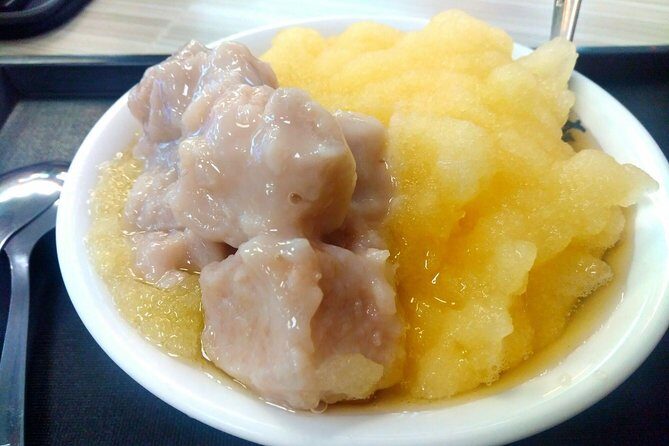
- 10 varieties of local snacks and drinks included (enough to feel like a proper food morning)
- Small group size (max 6) so your guide can adjust what you try
- Temple and alley context, not just food, so you understand what you’re seeing
- Easy transit access: start near Beimen MRT (about a 10-minute walk)
Why Dadaocheng and Dihua Street work so well for food
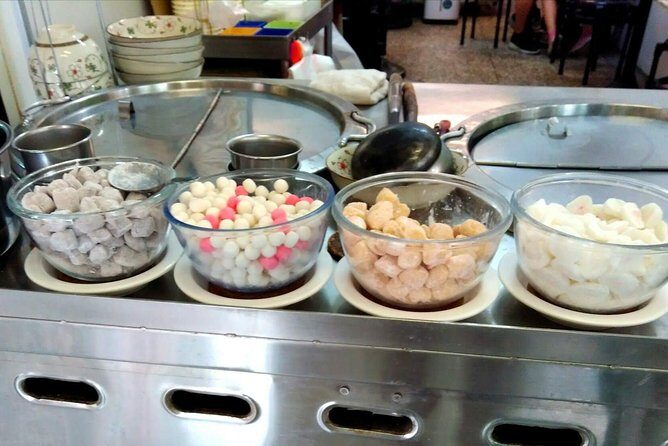
If you like Taipei when it’s at its most everyday, this tour makes sense fast. Dadaocheng is older-feeling Taipei, the kind of district where the streets don’t look engineered for visitors. You’ll spend time on Dihua Street and through the back lanes that connect markets, storefronts, and the small religious spaces people pass on normal errands.
That setting matters because Taiwanese food culture is not a museum exhibit. It’s a system—vendors, daily deliveries, repeat customers, and family-run stalls that survive by staying relevant. When you walk with a guide in this environment, you’re not just eating. You’re learning how the area runs.
I also appreciate the tour’s promise of going where the locals venture. You’re moving through spaces that are easier to appreciate when someone explains what you’re looking at. Without that context, you might still enjoy the food, but you could miss what makes each stop meaningful.
One more plus: the tour is short enough to keep your energy up. A 2–3 hour format means you’re sampling and walking, not signing up for an all-day endurance test.
You can also read our reviews of more food & drink experiences in Taipei

The tour structure: how the 2–3 hours actually feel
This experience is designed around one simple rhythm: walk, stop, eat, repeat. The itinerary is focused, not scattered. It gives you a clear route through Dihua Street area and the surrounding lanes, and it keeps you moving enough to stay hungry (but not so fast that you can’t enjoy the sights).
The tour starts at 10:30 am. That timing is useful because markets and street food scenes tend to have momentum in the late morning window. You’re also less likely to hit the worst crowd spikes you’d see later in the day.
Group size is capped at 6 travelers, which changes the feel immediately. With a small group, you can ask questions without feeling like you’re competing with the loudest person in the back. In the reviews, people also highlighted that the guide could adapt food choices on the spot. That kind of flexibility is tough with bigger groups.
You’ll end near Nanjing W Rd (No. 235号, Datong District), which is a helpful way to land somewhere practical after walking the older-street maze.
Stop 1: Dihua Street and the market-lane style of Taipei
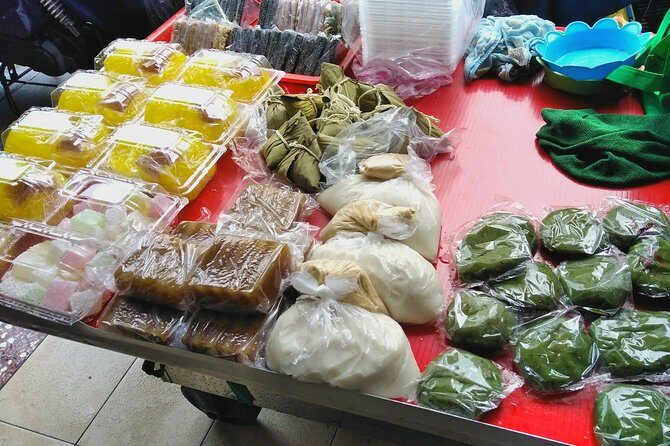
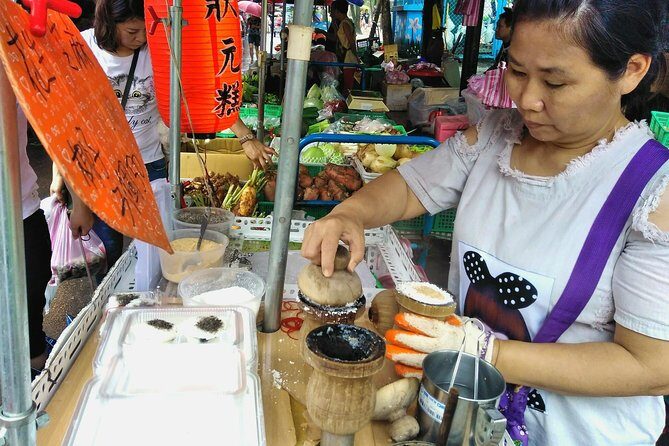
The main anchor is Dihua Street, in and around Dadaocheng. This is where you get the classic combination of sights: storefronts, narrow alleys, food smells that follow you, and people buying lunch like they’ve done it a thousand times.
Expect to walk through a mix of market lanes and smaller side streets. The tour description points to exploring alleyways and markets, and that’s exactly the point. These aren’t just “pretty streets.” They’re functional corridors. You’ll notice how food is sold near daily life—where people pause, where vendors call out, and where the energy shifts from one block to the next.
The value here is practical. A lot of visitors can find night markets or famous stands with a quick map search. It’s much harder to confidently navigate a busy daytime wet market and the surrounding lanes—especially if you don’t speak the language. A guide helps you translate what you see into something meaningful. You’re not just eating random samples; you’re learning why certain foods are favorites that have been around for over 100 years, and how that tradition keeps evolving.
How you eat: 10 snack varieties, no guessing required
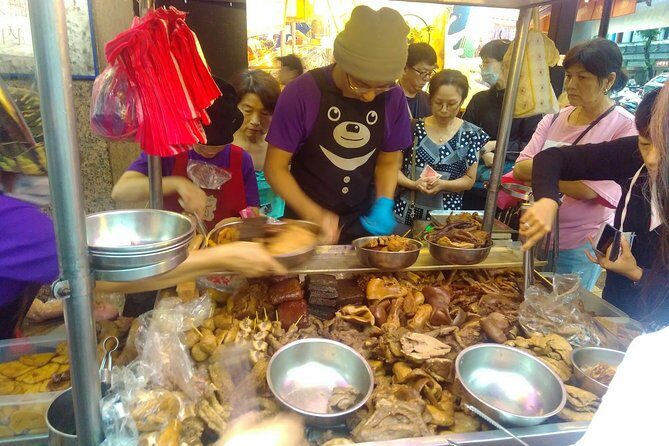
The included food portion is one of the strongest parts of the experience. You get 10 varieties of local foods and drinks, which is a real amount for a 2–3 hour walk. It’s not a token sample. It’s enough variety that you can compare textures and flavors across different stalls.
A few review details are especially helpful for your expectations:
- People said the food variety felt well-balanced, with the amount matching the time window.
- One reviewer noted the guide could tailor choices on the spot, which suggests you’re not stuck with a rigid script that ignores your preferences.
- Another reviewer described the stops as delicious and paired with history, meaning you get the “why,” not just the “what.”
The biggest practical tip: come hungry, but don’t treat this like a bottomless meal. The tour is about sampling, and you’ll likely hit foods that are best enjoyed in small-to-medium bites. I’d also plan a light dinner afterward. You’ll be satisfied, not stuffed.
If you’re the type who likes to understand how food fits into daily routines, this format will click. If you only want to chase one “must-eat” item, you might find it a lot of different tastes in one morning. But for most people, that’s the fun.
The historical context you actually use
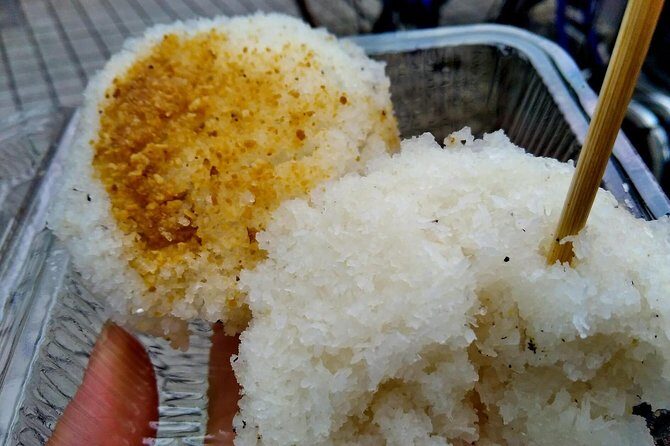
This tour is described as historical, but it doesn’t sound like a museum lecture. The history shows up through what you see on the street: the way temples are part of the same walking route as food shopping, and how traditions remain visible in daily habits.
In reviews, multiple people praised the guide for adding history with the food stops. One person specifically mentioned temples they hadn’t known existed and learning about traditions still practiced today. That’s a strong sign you’ll leave with more than a full stomach—you’ll understand why the area feels the way it does.
Here’s what I think makes this work: history becomes useful when it’s tied to your senses. When you hear a bit of context right where you’re standing, it sticks. You don’t have to remember dates. You remember impressions: a temple corner you walked past, a market aisle that made sense after the explanation, and foods that feel connected to the neighborhood instead of imported for tourism.
A few more Taipei tours and experiences worth a look

Walking practicality: timing, pace, and what to wear
You’re out for 2 to 3 hours, which sounds simple until you remember wet-market areas can include uneven sidewalk sections and frequent stops. Plan on standing sometimes, especially during food sampling and when the group is regrouping.
A single piece of advice covers most people: wear shoes you can trust. The tour isn’t marketed as a casual stroll. It’s a walk-and-eat route through lanes and market-adjacent streets.
Weather matters. The additional info says the experience requires good weather. That means the operator may cancel if conditions aren’t right, and they’ll offer a different date or a full refund if it’s canceled due to poor weather. So check forecasts the day before.
One review noted that even with rain, the experience still worked well. That’s encouraging, but it doesn’t mean you should show up in flimsy footwear. If rain is likely, bring a small umbrella or rain jacket and accept that the sidewalks will get slick.
Meeting point and getting there from Beimen MRT
The tour starts at Daqiaotou, Datong District, Taipei City (10357). It’s about a 10-minute walk from Beimen MRT Station. That’s a friendly setup for visitors because it means you’re not fighting complicated pickup points in traffic-heavy areas.
The end point is No. 235號, Nanjing W Rd, Datong District, near the Nanjing W Rd corridor. Ending there is convenient because it’s a straightforward place to continue your day—grab a taxi or connect to other transit without needing to navigate back into the older lanes.
If you’re trying to keep your day efficient, schedule this tour earlier rather than later. It can act like a perfect Taipei “orientation” session for how food neighborhoods actually work.
The guide experience: CC and what people liked most
The reviews repeatedly highlight the guide’s role as a big part of why this tour feels special. Multiple people named CC, and they praised her for being friendly, hospitable, and highly responsive to questions.
Two review-based themes really stand out:
- English clarity: one reviewer called the English flawless, and another emphasized how much more information was provided compared with guidebooks.
- On-the-spot tailoring: at least one reviewer noted that CC could adjust food choices right during the tour.
That matters because markets aren’t one-size-fits-all. Some foods you’ll love instantly. Others might be interesting but not your taste. Having a guide who can adapt—within the structure of the tour—turns “group meal” into a more personal experience.
If you have dietary constraints, the data you provided doesn’t list specifics on accommodations. So I’d treat this as a request-and-confirm situation when you book. The guide’s ability to tailor suggests there may be some flexibility, but you’ll want to ask directly.
Pricing and value: what you’re paying for at $85
At $85 per person for a 2–3 hour walking food tour, you’re paying for three things:
- Organization and time: someone takes you through the right streets and handles the flow between stops.
- Included food: 10 varieties of local foods and drinks are part of the price.
- Context and language support: the guide helps you understand what you’re eating and seeing—especially in places that can be hard to navigate without local fluency.
Is it cheap? No. But in Taipei, organized food experiences often cost around this range when they include both guided walking and multiple snack stops. Here, the math supports the price: you’re getting a meaningful snack count for a half-afternoon plan, plus a small-group guide experience.
Also, because the group max is 6, you’re not paying for a crowded cattle-car format. You’re paying for a smaller ratio and more conversational time.
If you’re the kind of traveler who enjoys asking questions—how a stall works, why a tradition continues, what to look for when ordering—this price starts to feel fair quickly.
Who should book this tour (and who might skip)
This tour is a great match if you:
- Want to experience Taipei beyond night markets
- Like daytime market energy and temple street scenes
- Enjoy food with context, not just photos
- Prefer small groups and Q&A over lectures
It might be less ideal if you:
- Hate walking or standing for long stretches
- Want a fully structured “restaurant meal” experience rather than street stops
- Have very specific dietary needs and want a guarantee (the data you provided doesn’t spell out meal substitutions)
Smart tips before you go
- Bring a small payment buffer for extra drinks or desserts beyond the included items.
- Expect outdoor walking and plan for rain-friendly gear if skies look questionable.
- Come hungry enough to enjoy multiple bites, but don’t plan a heavy meal immediately after.
- If you want CC specifically, you may consider requesting her when booking, since reviews mention her directly and strongly.
Should you book WoknRoll Taipei?
I’d book this if you want a practical, local-feeling food morning in Taipei’s Dadaocheng and Dihua Street area. The strongest reasons are straightforward: 10 snack varieties included, a small group max of 6, and a guide experience centered on market-and-temple context. Reviews back up the big stuff—friendliness, excellent English, and the ability to tailor what you eat.
Skip it only if you dislike walking, or if you need a more controlled meal setting than street stops in wet-market-adjacent lanes. If your goal is to understand how Taipei eats, this tour gives you a fast, useful answer.
FAQ
How long is the WoknRoll Taipei Walking and Historical Food Tour?
It runs about 2 to 3 hours.
What is the price per person?
The price is $85.00 per person.
What time does the tour start?
The start time is 10:30 am.
Where does the tour start and how far is it from MRT?
The start is at Daqiaotou, Datong District, Taipei City 10357. It’s about a 10-minute walk from Beimen MRT Station.
Where does the tour end?
It ends at No. 235號, Nanjing W Rd, Datong District, Taipei City.
What’s included in the tour price?
The tour includes snacks: 10 varieties of local foods and drinks.
How many people are in a group?
The tour has a maximum of 6 travelers.
Is a mobile ticket used?
Yes, the tour uses a mobile ticket.
What happens if the weather is poor?
The experience requires good weather. If it’s canceled due to poor weather, you’ll be offered a different date or a full refund.
Can I cancel for a full refund?
Yes. You can cancel up to 24 hours in advance of the experience start time for a full refund.