Five days, one smooth Taiwan sweep.
This round-island coach tour strings together Sun Moon Lake, Tainan, Kaohsiung, and Taiwan’s dramatic southern and eastern coast into one easy plan. What makes it interesting is the mix: big nature stops, major temples, and history-heavy old streets, all explained by guides people rave about, including Alan Chou and Ciao.
I love that the trip handles the hard parts for you: 4 nights of hotel stays with daily breakfasts, plus entrance fees and transportation. You also get a very full day-by-day flow, so you’re not stuck planning transfers between cities. The other big win is the guide style: names like Eric and John Chan come up often, with friendly storytelling and practical direction like when to step back for photos or when to focus on what’s right in front of you.
One drawback to weigh: you’re on a bus a lot. There’s also some walking and some stops with wind or uphill bits, so comfy shoes matter. If you want a slow, independent trip with lots of free time, this one may feel a bit scheduled.
In This Review
- Key things to know before you go
- Why this Best of Taiwan tour works: managed travel without skipping the classics
- Sun Moon Lake temples and the Ita Thao vibe: a calm start in the middle of Taiwan
- Fort Zeelandia and Anping Old Street: Tainan’s Dutch-era story in walking form
- Kaohsiung’s Fo Guang Shan: one of Taiwan’s most approachable Buddhist experiences
- Kenting National Park and the south coast: cat’s nose cliffs and Eluanbi’s lighthouse role
- Hualien’s East Coast erosion shows: Xiouyeliu, Sanxiantai, and Shitiping
- Kavalan Distillery and Taiwan traditional arts: a cultural finish that feels earned
- Hotels, breakfasts, and the value of a real end-to-end plan
- Food, cash, and timing tips so you stay stress-free
- Who this 5-day island tour is best for
- Should you book this 5-day Best of Taiwan round-island tour?
- FAQ
- What’s included in the $715 tour price?
- Is pickup offered, and where does the tour start?
- Do I need cash for food and souvenirs?
- How much walking is involved, and is it suitable for mobility needs?
- Is the tour available with German commentary?
- How flexible is cancellation for a full refund?
Key things to know before you go
- Coach-first convenience: air-conditioned touring that covers the island’s core sights without you figuring out logistics.
- Temple variety on Day 1: Wenwu Temple, Ci’en Pagoda, and Xuanzang Temple all in the Sun Moon Lake area.
- Fort and old-street history in Tainan: Fort Zeelandia links to Dutch-era Taiwan, then you walk Anping Old Street afterward.
- Kenting and East Coast geology: cat’s nose cliffs, Eluanbi Lighthouse, coral limestone, sea-eroded terraces, and Sanxiantai’s bridge-connected island.
- A finish that isn’t only sightseeing: Kavalan Distillery plus Taiwan’s National Center for Traditional Arts.
- Quality stays as a core value: multiple runs highlight top-tier hotels, including hot-spring-style rooms.
Why this Best of Taiwan tour works: managed travel without skipping the classics
This is a smart option if you want a real “whole island” taste but don’t want to wrestle with timing. You start in Taipei at 7:30 am and spend five days pushing outward, then looping back with a final cultural stop near the end. The format is clear: morning departures, scheduled sight stops, and evenings where your transport and lodging are already handled.
For your time, the value math is compelling. You’re paying for more than hotel beds. The tour includes local transfer by air-conditioned vehicle, four hotel nights, daily breakfasts, and entrance fees for the listed stops. Lunch and dinner are on you, but the big ticket items are already covered.
The group size is capped at 40 travelers, which usually keeps things organized without turning every stop into a stampede. Still, with a coach tour, you’ll share time and space. Bring your patience for photo lines and bathroom stops, and you’ll have a smoother trip.
A few more Taipei tours and experiences worth a look
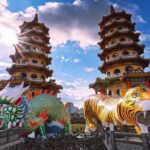
Sun Moon Lake temples and the Ita Thao vibe: a calm start in the middle of Taiwan
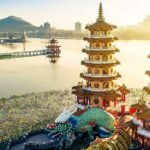
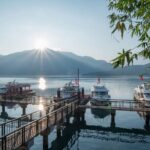
Day 1 hits one of the most scenic “reset buttons” in the country: Sun Moon Lake National Scenic Area. It’s the largest freshwater lake in Taiwan, and the tour sets the tone with views and landmark temples right away instead of forcing you to wait until later for scenery.
You’ll get a guided circuit around the lake area, then specific stops that help you understand the place beyond postcard photos:
- Yidashao Pier is your jump-off for the lake views, with the tour bus portion giving you a quick overview of what’s where.
- Ita Thao, the indigenous village in the area, adds cultural grounding. Even if you don’t go deep on a single viewpoint, it gives context fast.
- Ci’en Pagoda is a standout landmark built by late President Chiang Kai-shek in memory of his mother. It’s the kind of site that makes you look twice because it feels both religious and historic at once.
- Wenwu Temple is the temple-heavy hit list done right: it has three halls devoted to the Martial God and the God of Literature, which is exactly the sort of detail that makes you appreciate the role of temples in daily life.
- Xuanzhuang Temple offers a quieter pause after the bigger landmark energy.
Practical tip: keep your phone charged. This day is built around multiple short stops, so you’ll want easy access for quick photo bursts and quick map-checks when you’re moving between spots.
Fort Zeelandia and Anping Old Street: Tainan’s Dutch-era story in walking form
Day 2 brings you to Tainan, Taiwan’s oldest city, and the tour leans into walking-era history. The sequence matters: you start with Anping Fort (Fort Zeelandia / Anping gubao), then you transition to Anping Old Street where the past turns into a real strolling experience.
At Anping Fort, you’ll get that “here’s where the power sat” feeling. Fort Zeelandia connects to the Dutch presence in Taiwan, and the tour uses this stop to anchor the rest of your day in a specific timeline instead of leaving you with generic ruins.
Then comes Anping Old Street, set up for you to slow down a bit. It’s located on the east side of Fort Zeelandia and is described as being established by the Dutch over 300 years ago. Even if you only have time to graze, you’re walking an old route rather than just passing a landmark.
One key consideration: because this portion is walking-friendly but still historical, wear shoes that can handle uneven ground and quick uphill stretches. You’ll enjoy the day more if you’re comfortable enough to stop for a snack without rushing.
Kaohsiung’s Fo Guang Shan: one of Taiwan’s most approachable Buddhist experiences
After Tainan, you move south to Kaohsiung and head to Fo Guang Shan, also known as the Fo Guang Shan Buddha Museum / monastery complex. The tour frames it as a major Buddhist site, and what you’ll likely notice is the organized, welcoming feel. It’s the kind of place where you can understand what you’re seeing without needing a religious background.
The stop is timed to give you time to wander at a human pace. You’re not just doing a quick exterior glance, which matters because big temple complexes become meaningful when you can actually look around.
What I like about this placement in the itinerary: you go from Dutch-era coastal history in Tainan to a major spiritual landmark in Kaohsiung, so your brain doesn’t get bored. It also breaks up the heavier scenery days that follow.
Photo tip: temples often have strong symmetry and wide steps, so plan for a few minutes to find an angle that doesn’t feel crowded. If it’s windy, keep hats secured; many coastal-day conditions follow you through the week.
Kenting National Park and the south coast: cat’s nose cliffs and Eluanbi’s lighthouse role
Day 3 is where Taiwan turns into dramatic coastline. You head to Kenting National Park, then keep moving along a string of coastal geology stops. This is not “one viewpoint only.” It’s a chain of sights that each teach you a different way to read the coastline.
You’ll see:
- Maobitou Park, described as cat’s nose, a huge cliff shape recognized from the distance.
- Eluanbi, where the lighthouse is described as a Qing Dynasty-era construction, later recognized as one of the Eight Views of Taiwan during the Japanese colonial period.
- Longpan Park, a coral limestone plateau overlooking the Pacific, shaped over time by rainfall erosion.
- Chuanfan Rock, whose shape resembles a sail of a ship and is also compared to a likeness of former U.S. President Richard Nixon.
If you like geography, this day is a treat. Each stop points out a different kind of coastal formation—erosion, rock shape, limestone effects, and lighthouse heritage—so you end up with more than a checklist.
Real-world consideration: these sites are coastal. Plan for sun and wind. Bring something light you can layer, and keep an eye on footing. If you’re sitting far back on the coach, it helps to listen early: the guide often gives practical cues about timing so you don’t miss the best light.
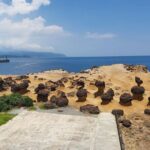
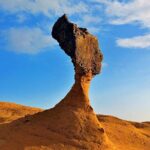


Hualien’s East Coast erosion shows: Xiouyeliu, Sanxiantai, and Shitiping
Day 4 focuses on the East Coast as the tour describes it: last unspoiled stretches of Taiwan, with scenery that changes from stop to stop. The itinerary is built around sea erosion and the way water reshapes rock over time.
You’ll start with Xiouyeliu, then move to:
- Sanxiantai, described as an offshore island and coral reefs, connected to the mainland by a cross-sea bridge. That bridge is more than a walkway. It turns the island into something you can actually experience on foot.
- Shitiping, literally stone steps, with sea erosion terraces. You’ll see promontories along the coastline that have been eroded by sea water.
This is the day where your photos start to look different from the west-coast stops. The coastline isn’t just pretty. It’s doing physical work all the time, and these shapes make that visible.
One tip that helps: take a moment at each stop to watch how wind affects movement. Some viewing platforms can feel breezy, and you’ll enjoy the bridge or terraces more if you’re not fighting your balance.
Kavalan Distillery and Taiwan traditional arts: a cultural finish that feels earned
Day 5 closes with two very different but complementary ideas: craft production and living culture.
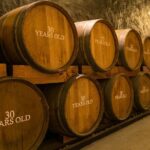
First is King Car Kavalan Distillery. The tour schedules this as a proper visit (about 1.5 hours on the ground). Even without a deep whiskey background, a distillery stop gives you sensory grounding: you leave the tour thinking about Taiwan’s modern industries, not only old temples and ancient streets.
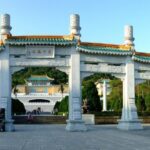
Then you head to the National Center for Traditional Arts, described as a vast park with traditional Taiwanese buildings, exhibitions, and performances. This is where the tour ties the story together: earlier days gave you landmarks and coastal history, and this final stop gives you an official cultural home where tradition is presented in a planned way.
The nice part is pacing. After busy coastal days, you’re ending with a slower-feeling campus and performances where you can sit, watch, and take your time.
Hotels, breakfasts, and the value of a real end-to-end plan
One of the most praised aspects of this tour is the hotel quality. Many departures have been described as five-star stays, and some include hot-spring-style comforts in the room. That matters more than you’d think. After long travel days, a comfortable bed and a relaxing soak help the next day feel manageable.
The tour includes daily breakfasts, which helps you avoid the morning scramble. Breakfast is also where you get energy without thinking. Even if you eat mostly simple items, the point is reliability: you start each day fed, not hunting.
You also get entrance fees and guided transport wrapped into the plan. That’s the part of “value” that doesn’t show up when you only compare the sticker price to a budget flight. Independent travel can easily become more expensive once you add hotel upgrades, museum tickets, and the cost of moving between far-flung regions on your own.
What you should watch for: some stops use short bursts rather than long dwell time. That suits most people, but if you crave deep time at fewer places, you may wish the schedule had more breathing room.
Food, cash, and timing tips so you stay stress-free
Lunch and dinner are not included, and that’s normal for tours. The smart move is to plan your rhythm:
- Ask your guide for authentic lunch and dinner recommendations during the day’s free time.
- Carry enough cash for meals and souvenirs. The tour information specifically warns that convenience stores and many eateries in Taiwan don’t accept credit cards reliably.
This matters because coastal days can mean fewer card-friendly options. If you show up hungry without cash, you’ll lose time and energy.
Also consider this: you’ll likely have spare moments around sightseeing stops. If you want snacks, bring a small bag with water and something easy. It won’t replace meals, but it prevents those “we’re back on the coach in five minutes” moments.
And yes, tipping is not required. If your guide and driver take good care of you, it’s a thoughtful way to say thanks.
Who this 5-day island tour is best for
This is a strong match if you:
- Are a first-time visitor who wants Taiwan’s highlights without building a transport plan from scratch.
- Have limited time and want both the south and the East Coast within a single week.
- Enjoy guided context at major landmarks, like temples and heritage sites.
- Appreciate comfortable coach travel and hotel stays handled for you.
It’s less ideal if you:
- Want a very independent pace with lots of free time between attractions.
- Need step-free access or have mobility constraints. The tour is not recommended for travelers with physical disabilities, and there’s a small amount of walking with some uphill and windy conditions.
Should you book this 5-day Best of Taiwan round-island tour?
If you want an efficient, well-structured taste of Taiwan’s most photogenic and meaningful regions, I’d book it. This tour’s biggest strength is not one single sight. It’s the way everything is bundled: transport, hotels, breakfasts, and entry fees, with an experienced guide team and a schedule that keeps you moving without feeling rushed every second.
Book it especially if you’re thinking: I’d like to see Sun Moon Lake, Tainan, Kaohsiung, Kenting, and the East Coast, but I don’t want to spend my vacation figuring out where to sleep and how to get there. That’s the sweet spot.
If you’re sensitive to long bus days or prefer deep time in fewer places, consider whether a more flexible itinerary would suit you better. But for a first or time-crunched trip, this one is a solid way to get your bearings fast and leave with stories you can actually explain when you’re back home.
FAQ
What’s included in the $715 tour price?
The tour includes a professional licensed tour guide, air-conditioned local transfers, 4 nights of hotel accommodation, daily breakfasts (4), and entrance fees and transportation. Lunch and dinner, beverages, and gratuities are not included.
Is pickup offered, and where does the tour start?
The tour offers pickup, and it starts in Taipei with a 7:30 am departure time.
Do I need cash for food and souvenirs?
Yes. You should carry enough cash for meals, beverages, souvenirs, and tips. Convenience stores and many eateries don’t consistently accept credit cards.
How much walking is involved, and is it suitable for mobility needs?
There is a small amount of walking, and comfortable shoes are recommended. The tour is not recommended for travelers with physical disabilities.
Is the tour available with German commentary?
Yes. If the German-speaking option is selected, the guide provides simultaneous commentary in English and German.
How flexible is cancellation for a full refund?
A full refund is available if you cancel at least 6 full days before the experience’s start time. Shorter timelines reduce the refund amount, and less than 2 full days before the start generally doesn’t receive a refund.