REVIEW · TAIPEI
National Palace Museum Northern Branch Taiwan Admission
Book on Viator →Operated by Trevopedia Wonders · Bookable on Viator
A museum day can change your whole Taipei plan. The National Palace Museum Northern Branch is set up for big-picture understanding of Chinese art, from ancient times to modern works, in a building that feels designed for wandering. Two things I really like about it are the straightforward educational focus and the calm pace you can set for yourself inside and outside the galleries.
What makes it especially satisfying is that you’re not just looking at random objects. You’re seeing how Chinese history shows up in calligraphy, ceramics, and paintings, plus a break at Zhishan Garden with feng shui cues. One consideration: you’ll need to have the right ID for an on-site QR scan (Taiwan ID card, ISIC, or APRC), and the Northern Branch is closed Mondays.
In This Review
- Key highlights you’ll care about before you go
- Why the Northern Branch is worth your time in Taipei
- What you’ll see: Chinese art from the Neolithic to modern works
- Zhishan Garden: a feng shui pause that changes the mood
- Modern architecture that supports the visit, not distracts from it
- Pacing an 8-hour museum day without burning out
- Admission value and what’s included (and not)
- Who this fits best—and who may want a different plan
- Should you book the National Palace Museum Northern Branch admission?
- FAQ
- Where is the National Palace Museum Northern Branch located?
- How much does admission cost?
- How long is the visit?
- What are the opening hours?
- Is it closed on any days?
- What dates does this experience run?
- Is the admission ticket included in the price?
- Do I need an ID for entry?
- What if the weather is poor?
- Can I cancel for free?
Key highlights you’ll care about before you go
- 8,000 years of Chinese art and history in one museum visit
- Zhishan Garden for a quieter stroll and feng shui-style design thinking
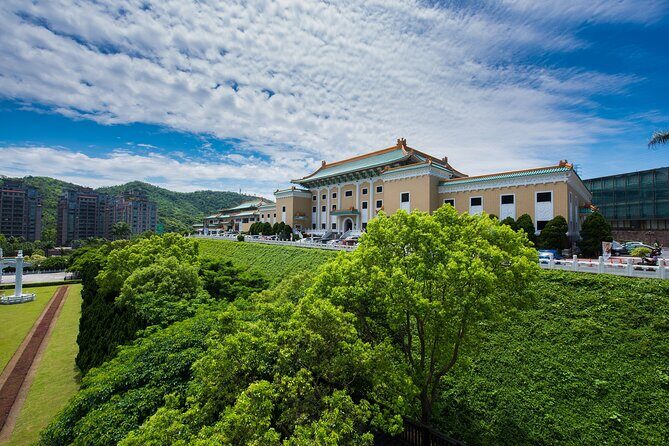
- Modern museum architecture built to harmonize with northern Taiwan’s greenery
- Northern Branch hours: 9:00 AM–5:00 PM, Tuesday–Sunday (closed Monday)
- Admission ticket included for the Northern Branch visit
- QR scan required using Taiwan ID / ISIC / APRC during the visit
Why the Northern Branch is worth your time in Taipei
If you only have one shot at a major art-and-history stop, this is the one I’d point you toward. The Northern Branch is built around the idea that context matters. You walk through centuries of Chinese cultural development, and the museum helps you connect what you’re seeing to the bigger story of Chinese civilization.
The value is also easy to understand. You’re paying $21 per person and the museum admission ticket for the Northern Branch is included. That’s a simple deal compared with DIY plans where entry fees are only part of the total cost once you factor in transport time and the stress of lining up tickets. Here, the core thing you came for—getting into the Northern Branch—is covered.
The experience also has a nice “two worlds” feel. Inside, the collections emphasize Chinese art evolution across long stretches of history. Outside, the museum grounds give you that brief mental reset. When you’re doing an all-day visit (it runs about 8 hours), having places to slow down matters more than you might think.
And because the museum is near public transportation, you’re not stuck plotting a half-day logistics puzzle. You can spend your energy on the collection instead of the commute.
You can also read our reviews of more museum experiences in Taipei
What you’ll see: Chinese art from the Neolithic to modern works
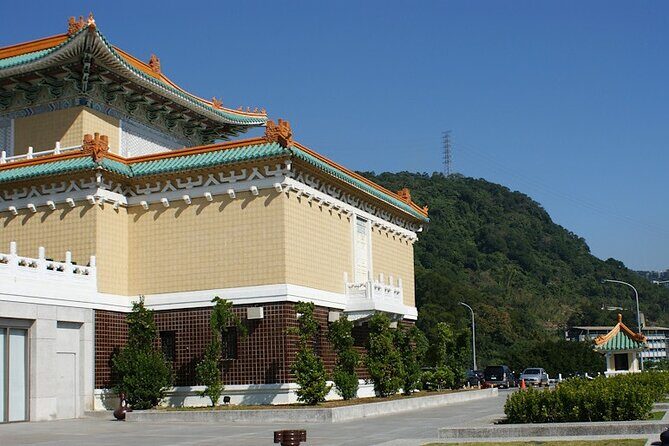
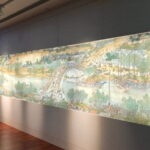
The Northern Branch’s main draw is the scope. The collection is described as covering over 700,000 artifacts, with the museum’s presentation spanning about 8,000 years. You won’t see every single piece in one day (that would be a fantasy plan), but you will get a clear sweep of how styles, materials, and themes evolve over time.
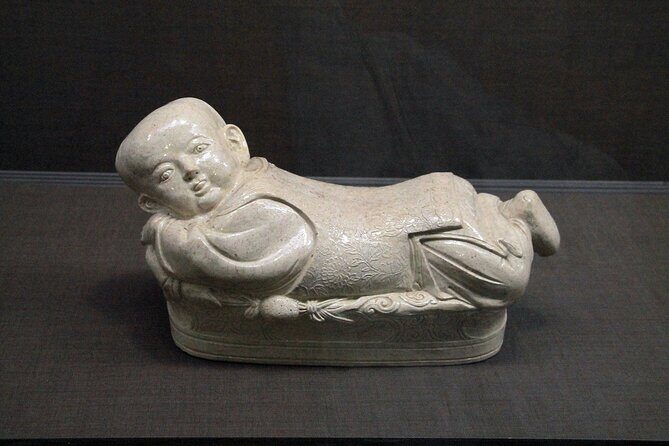
The museum highlights include more than 6,000 artifacts that show the evolution of Chinese art from the Neolithic period to the modern era. That matters because it gives you a timeline you can actually follow. Instead of hopping randomly between “pretty objects,” you can recognize patterns—how certain techniques change, how craftsmanship develops, and how cultural priorities shift across eras.
You’re also looking at major art categories that most people can engage with quickly:
- Calligraphy—where writing is treated as art, not just text
- Ceramics—where shape, glaze, and form tell you a lot about period taste and technology
- Paintings—where composition and brushwork reflect changing aesthetics
Even if you don’t consider yourself a “museum person,” this kind of selection is practical. Calligraphy and painting can feel less intimidating than abstract art because you can lean on structure: strokes, brush movement, and visual balance. Ceramics are visual too, and you can often appreciate them just by looking closely at detail and workmanship.
One of the smartest ways to enjoy a collection like this is to focus on comparisons. Pick one theme to revisit as you move through the day—writing style, a ceramic shape category, or how painting techniques change. That turns the visit into learning, not just watching.
Zhishan Garden: a feng shui pause that changes the mood
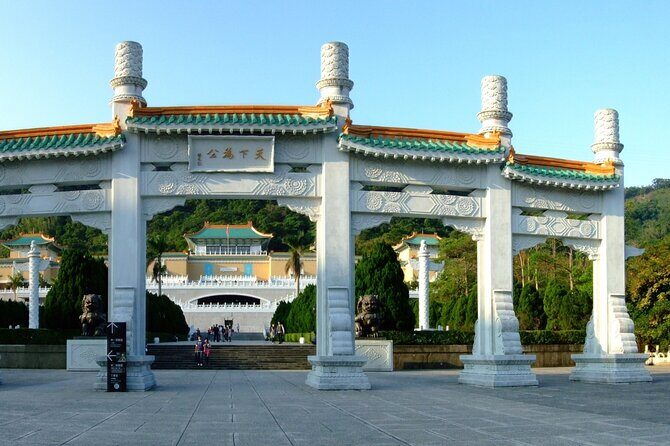
A lot of people underestimate gardens on a museum day. This one is worth paying attention to because it’s not just “pretty landscaping.” The Zhishan Garden is specifically mentioned as a place where you can see harmony between feng shui thinking and Chinese architectural ideas.
Practically, that means it gives you a different kind of information than the galleries. When you step into the garden, you shift from close viewing of objects to a broader sense of space—how pathways, layout, and visual balance affect how a place feels. It’s a reminder that Chinese culture isn’t only stored in artifacts. It also shows up in how people arrange living spaces and relate to the natural environment.
The garden also functions as a pacing tool. If you’re doing a full 8-hour outing, your attention will start to fade unless you schedule natural breaks. Zhishan Garden gives you that reset without forcing you into a long transit gap or a rushed food stop.
If you like the idea of architecture that has rules (and not just aesthetics), this garden will click. Even if you don’t memorize feng shui principles, you’ll probably notice how the design encourages a slower walk and calmer observation.
Modern architecture that supports the visit, not distracts from it
The Northern Branch building is described as a modern architectural masterpiece designed to complement the surroundings. That’s not a throwaway line. Museum architecture affects how you experience the collection—where you pause, how you move, and how quickly you feel oriented.
Here, the modern design is framed as a harmony between tradition and innovation. In other words, you’re in Taiwan, but the building’s purpose is to help you focus on Chinese art and history rather than make the day about the structure itself. That balance is especially helpful when you’re planning a full visit. You want the building to be a guide, not a distraction.
There’s also a real-world advantage: if you enjoy calm places to think, a museum set in a greener northern setting can feel less frantic than major city complexes. That matters in a big collection where you’ll spend lots of time moving between rooms. You’ll do better if the overall mood supports concentration.
One detail worth knowing: the Library Building has different closure days. It’s listed as closed on Mondays, Sundays, and public holidays. So if you’re trying to see every part of the complex, check the day you’re going and expect that some areas may not be open even when the Northern Branch is.
Pacing an 8-hour museum day without burning out
An 8-hour duration is plenty of time to enjoy a deep collection if you pace it smart. It’s also long enough that you don’t want to treat it like a sprint. The museum’s strength is long-view learning across eras, so you’ll get more out of slower attention than marathon speed-walking.
Here’s the approach I’d recommend:
- Start with the eras that give you the clearest timeline connection (this is where the Neolithic-to-modern idea helps most).
- Spend extra time where you see craft and technique details you can compare. Ceramics are great for this.
- Use Zhishan Garden as an intentional break, not an afterthought.
Also, be ready for the “all at once” feeling. When you walk into a museum covering thousands of years, it can feel like a lot of information in a short span of rooms. That’s normal. Your job isn’t to learn everything. Your job is to build a mental map of how themes and styles shift over time.
Because your admission ticket is included for the Northern Branch, you can focus on the museum experience itself rather than spending time figuring out the ticket window. And because it’s near public transportation, you can plan your day around the museum rather than around a complicated transfer schedule.
Finally, plan your day with the museum’s open hours in mind. The Northern Branch is open Tuesday to Sunday from 9:00 AM to 5:00 PM, and it’s closed on Monday. The timing matters because missing one hour at the start or end can cut your learning time in a museum this size.





Admission value and what’s included (and not)
The big question is always: what am I really paying for?
In this case, you’re paying $21 per person, and the National Palace Museum Northern Branch admission ticket is included. That’s the core value. You’re not paying extra for entry access once you arrive, and you avoid the common “ticket cost plus hassle” problem that comes with independent museum planning.
Not included is straightforward: personal expenses. That means budget for whatever you choose to spend during the day, whether it’s small snacks or purchases. The tour itself is about the museum admission and the visit experience.
There’s also a practical requirement that can affect your day if you show up unprepared. At the time of the on-site experience, staff scan your QR code, and you’re asked to present one of the following:
- Taiwan ID card
- ISIC (International Student Identity Card)
- APRC (alien permanent resident certificate)
If you don’t have one of those documents with you, your entry could be slower or complicated. For a smooth visit, bring the right ID.
One more “reality check” detail: the experience requires good weather. If it’s canceled due to poor weather, you’ll be offered a different date or a full refund. That’s not the most common condition for a museum, so treat it as a sign to check the forecast close to your visit date.
Who this fits best—and who may want a different plan
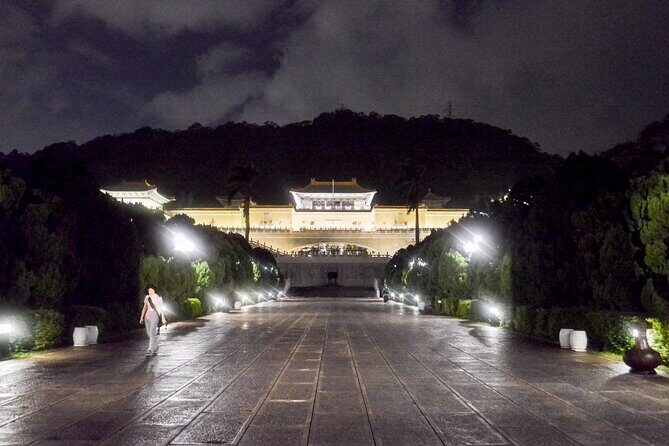
This is best for you if you want a classic museum day with strong educational payoff. You’ll probably enjoy it most if you like understanding context—how art changes over time—and if you’re curious about Chinese history as expressed through objects.
It also makes sense for first-time Taipei visits. When your time is limited, this kind of museum offers a concentrated cultural lens. You’ll walk away with a stronger sense of what “Chinese art history” actually means across eras, not just a handful of random highlights.
On the other hand, if you hate structured learning and prefer casual, short stops, an 8-hour museum stretch might feel like too much. In that case, you’d want to break the visit into smaller pieces. But if you enjoy settling in and letting a collection teach you, this format is ideal.
Should you book the National Palace Museum Northern Branch admission?
Yes, I’d book it if you want one museum in Taipei that gives you both depth and a clear timeline of Chinese art. The price-to-entry value is strong because admission is included, and the collection themes are easy to follow: calligraphy, ceramics, paintings, and a sweep from the Neolithic era onward.
Also, if you care about atmosphere, don’t skip the garden idea. A visit here isn’t only about rooms and artifacts. It’s also about how design thinking shows up in Zhishan Garden, and how modern architecture frames traditional cultural content.
Just make sure you’re going on a day it’s open (Tuesday–Sunday), and plan around the ID requirement for the on-site QR scan. If you do those two things, you’ll have a smooth experience and a lot to take home mentally.
FAQ
Where is the National Palace Museum Northern Branch located?
It’s in Taipei, Taiwan.
How much does admission cost?
The price is $21.00 per person.
How long is the visit?
It’s approximately 8 hours.
What are the opening hours?
The Northern Branch is open Tuesday to Sunday, from 9:00 AM to 5:00 PM.
Is it closed on any days?
Yes. The Northern Branch is closed on Mondays.
What dates does this experience run?
The listed operating range is 11/01/2023 to 02/28/2027.
Is the admission ticket included in the price?
Yes. The National Palace Museum Northern Branch admission ticket is included.
Do I need an ID for entry?
Yes. You need to present one of the following so staff can scan your QR code: Taiwan ID card, ISIC, or APRC.
What if the weather is poor?
The experience requires good weather. If it’s canceled due to poor weather, you’ll be offered a different date or a full refund.
Can I cancel for free?
Yes. Free cancellation is available up to 24 hours in advance for a full refund.