REVIEW · TAIPEI CITY
Taipei: 2-Hour Raohe Night Market Walking Tour
Book on GetYourGuide →Operated by MyProGuide Inc. · Bookable on GetYourGuide
Crammed with snacks and stories. In two hours, this Taipei night market walk turns chaos into a plan, starting at MRT Songshan and ending right in the market lanes. You’ll follow a guide’s picks, grab standout bites like the black pepper bun, and get context for the religious sights you pass along the way.
I like how the tour is built around where to go and what to order, not just wandering. Guides such as Vicky, Maggi, and Ruby are praised for choosing great stalls, guiding you through lines, and explaining what you’re eating and why it matters. I also really appreciate the cultural angle, especially the Sea Goddess temple stop and the chance to learn how locals approach blessings and the gods behind the food-fair atmosphere.
One consideration: it’s a walking-heavy experience and food isn’t included in the price. If you have high blood pressure, heart issues, or mobility limits, this may not be a good fit, and you’ll also want rain gear and cash for quick stall payments.
In This Review
- Key highlights you’ll notice right away
- Raohe Night Market in 2 hours: the smart way to eat fast
- Starting at Songshan MRT: where you avoid the first headache
- The route inside Raohe: from first bites to temple meaning
- 1) The night market highlights: iconic stalls first
- 2) The Sea Goddess temple stop: why the market feels different
- 3) Keep walking, keep choosing: snacks at your own pace
- What it’s like to eat here with a guide: practical ordering help
- Weather, crowds, and the walking reality
- Price and value: why $23 can still feel like a deal
- Who should book this night market walk
- Should you book it or skip it?
- FAQ
- Where do I meet the guide?
- How long is the tour?
- Is food included in the tour price?
- What languages are available for the live guide?
- What should I bring?
- Is this tour suitable for everyone?
Key highlights you’ll notice right away
- Songshan MRT Exit 5 meetup with a guide in a yellow shirt, so you can start fast
- Michelin-recommended vendor energy at Raohe Night Market, with iconic stops like the black pepper bun
- Sea Goddess temple time so the night market feels like more than eating
- Food tastings are pay-your-own with the guide steering you toward strong picks
- Small-group feel in practice, which makes it easier to ask questions and handle preferences
- Flexible pacing in rain or crowds, with guides reported to adjust smoothly
Raohe Night Market in 2 hours: the smart way to eat fast
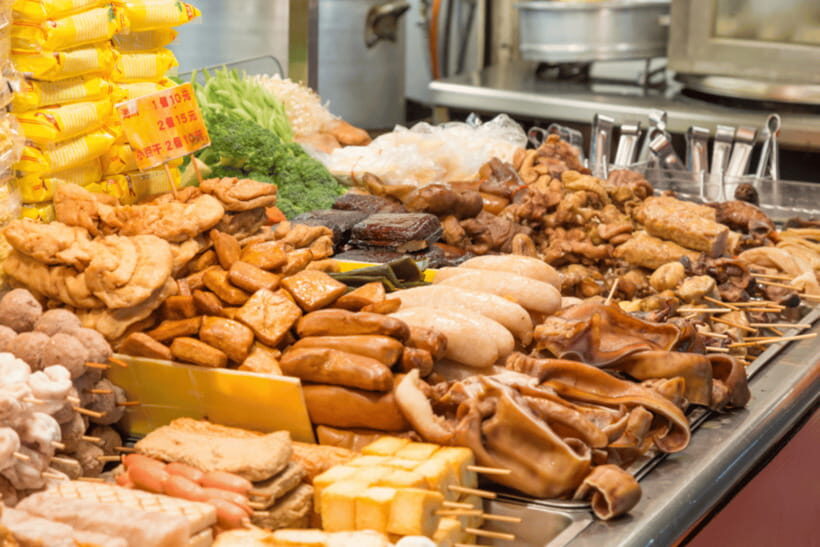
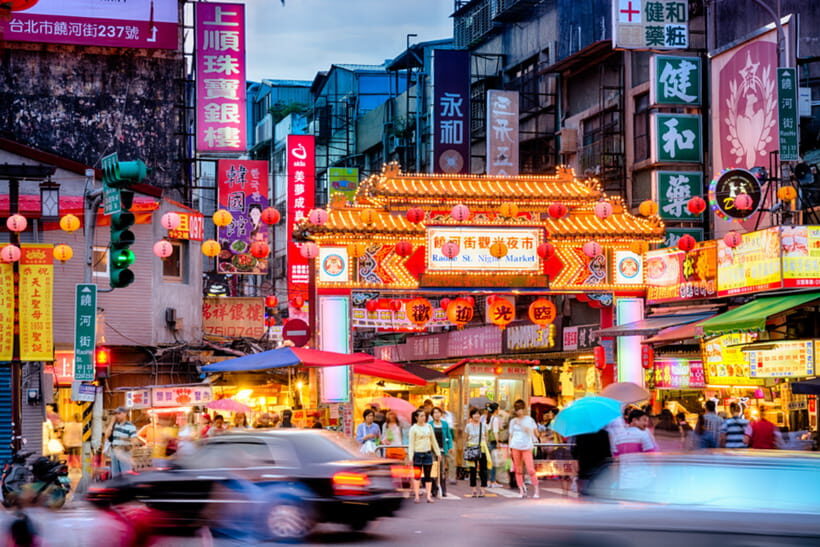
Raohe Night Market is one of Taipei’s best-known lanes for street food, but it can also feel like information overload when you’re staring at menus in the dark. This tour solves that by giving you a route and a guide who helps you decide what’s worth your money and your line-wait.
A big reason Raohe works well for a short tour: it’s a major tourist night market with the highest number of Michelin-recommended vendors. Translation for your stomach: you’re more likely to hit stalls that are famous for a reason, instead of gambling blindly on what looks good.
The tour is priced at $23 per person for a 2-hour guided walk, with your snacks on you. That makes it a “pay for expertise, pay for food separately” type of value. If you want the market experience without spending your night stuck figuring out what to do, the format makes a lot of sense.
You can also read our reviews of more walking tours in Taipei City



Starting at Songshan MRT: where you avoid the first headache
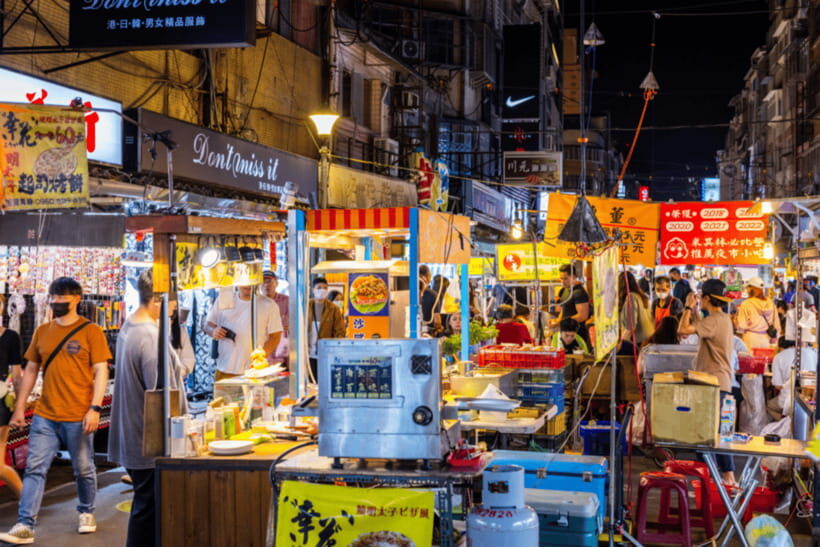
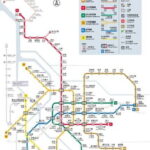
The meeting point is MRT Songshan Station (G19), Exit 5. You’ll look for the guide wearing a yellow shirt, and once you’re matched up, you won’t lose time searching for the right street entrance or trying to interpret signboards while hungry.
This matters more than it sounds. Night markets are easy to walk in circles, especially if it’s raining or the crowds compress the pathways. Starting with a guide from a fixed transit exit helps you get your bearings fast and keeps your 2 hours focused on the market highlights you actually came for.
You’ll also have language support. The tour lists guides in Chinese, English, Japanese, and Traditional Chinese. If the requested language doesn’t meet the minimum group requirement, it’s still operated with Chinese/English coverage, so you’re not left stranded with no help.
The route inside Raohe: from first bites to temple meaning
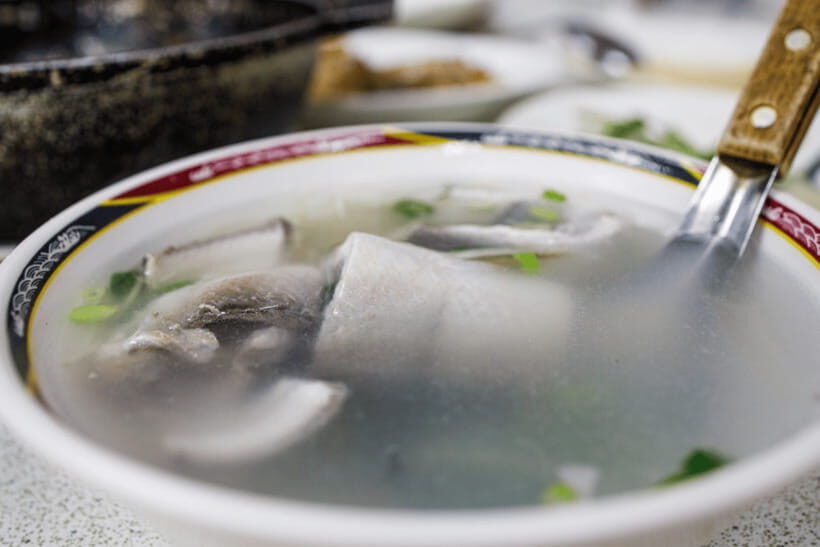
Raohe Night Market time is the heart of the experience, and the pacing is designed to keep you moving while still making room for questions and food choices. Expect a guided walk through the market’s key areas, with stops tied to recognizable local snacks and the cultural sights that shape how people experience the night market.
1) The night market highlights: iconic stalls first
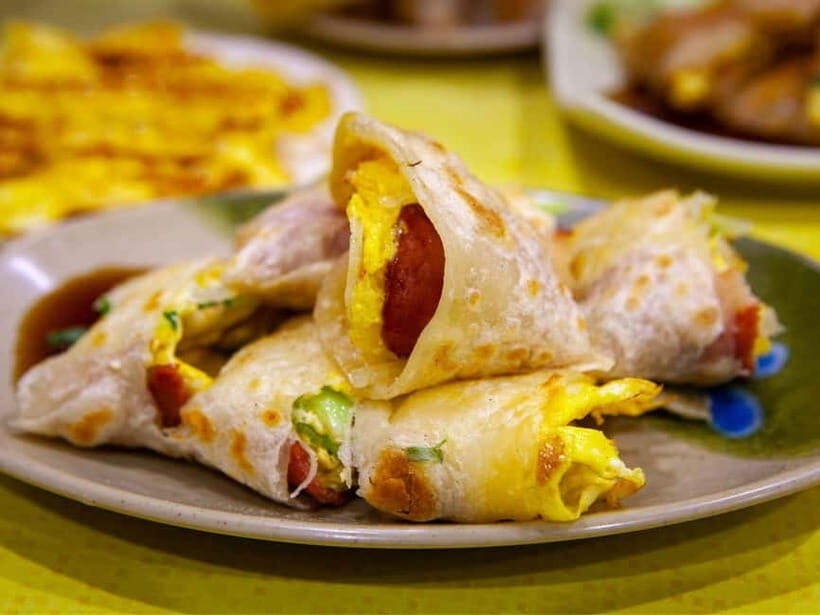
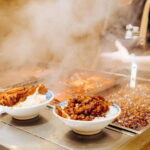
Right away, you’re guided toward standout items people travel for. Common examples in this market include the black pepper bun, pork ribs with medicinal herbs soup, and oyster vermicelli. Even if you don’t end up choosing every one of these, you’ll learn the logic behind ordering—what’s best hot, what’s best freshly made, and what’s worth standing in line for.
One theme you’ll feel from the best-guided moments: you don’t just get a list of foods. You get help choosing among lots of similar-looking stalls. That’s a real advantage when you’re paying yourself, because a guide steers you away from the “meh” options and toward the places that are known for consistent quality.
2) The Sea Goddess temple stop: why the market feels different
A standout cultural anchor in the Raohe area is the Sea Goddess temple. Guides often build in time to explain the temple’s role and how locals connect the religious side of the night to everyday life.
This is one of those stops that makes the market make more sense. Food stalls aren’t only about snacks; they’re part of a larger nighttime ritual—sight, prayer, and eating all mixed together. In particular, several guides are praised for talking through the gods and temple traditions, including how people approach blessings.
If you’re the kind of traveler who wants to understand what you’re seeing (instead of only what you’re eating), this temple time is often the highlight of the tour. It turns your visit from shopping-for-snacks into a snapshot of how Taiwanese culture moves at night.
You can also read our reviews of more shopping tours in Taipei City



3) Keep walking, keep choosing: snacks at your own pace
The tour is structured for about 2 hours on the market walk, but you still get room to pick what you want to eat. Since food and drinks are not included, your guide’s job is to help you choose wisely and place orders efficiently.
In busy conditions, the guide can help with line strategy. Some guides are noted for helping manage when to order so you’re not stuck shoulder-to-shoulder the whole time. That’s especially helpful if it’s raining or New Year crowds swell.
By the end, you’ll have enough variety to feel like you sampled the market’s personality, without trying to eat your way through every single stall.
What it’s like to eat here with a guide: practical ordering help
Let’s talk payment and decision-making, because that’s where night market tours live or die.
- You’re bringing cash. Many stalls are quick-pay and don’t want the hassle of card-only processes.
- You’re bringing comfortable shoes and rain gear. Weather can change how packed lanes feel, and it affects how long you’ll stand.
- You can follow your guide’s suggestions, but you’re not locked into a fixed menu. You sample based on what you prefer, and you pay for snacks yourself.
What you often gain is translation without the awkwardness. Instead of staring at food signs and guessing, you can ask questions. Guides are praised for answering food and culture questions, and for sharing what different items represent or how people typically order them.
If you’re worried about dietary limits, this is one of the best parts of a guided format. The tour asks you to inform the guide about specific allergies before traveling. That gives your guide the chance to steer you toward safer choices rather than you guessing in the moment.
Weather, crowds, and the walking reality
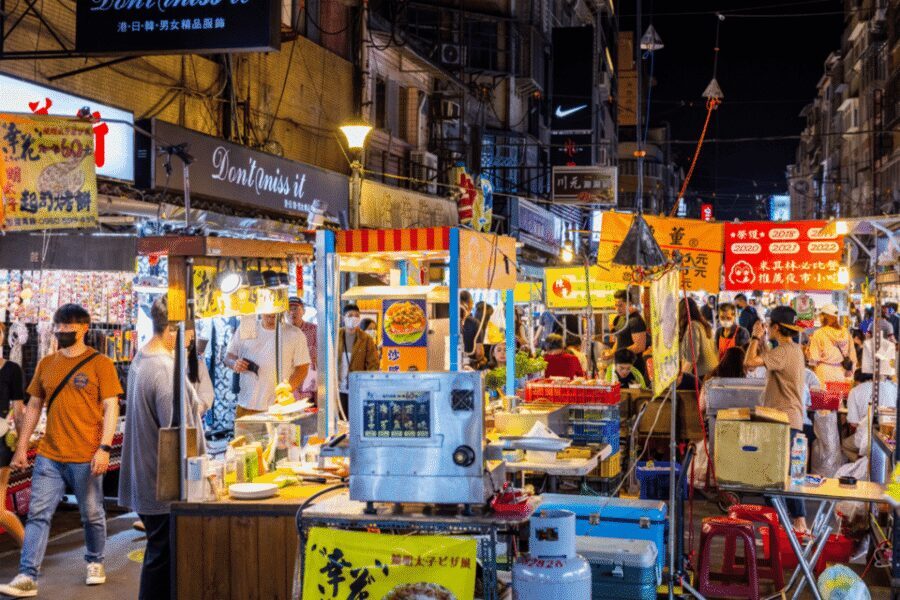
This is not a sit-and-snack tour. It’s a 2-hour walking experience, and the operator explicitly notes that the duration may be adjusted due to traffic jam or weather. That’s helpful to know upfront because night markets can turn into slow motion if roads or pathways get jammed.
It also means you should plan like an adult: eat lightly before you start if you tend to snack quickly, and wear shoes that can handle uneven pavement. If you have high blood pressure, heart problems, or mobility impairments, the tour is listed as not suitable, mainly because of the sustained walking in a crowd.
Rain is a real variable here. Several guides are praised for going out of their way to make the experience work even when it’s wet, but your comfort still depends on your gear. A compact umbrella and waterproof shoes can make the difference between “fun and memorable” and “wet and miserable.”
Price and value: why $23 can still feel like a deal
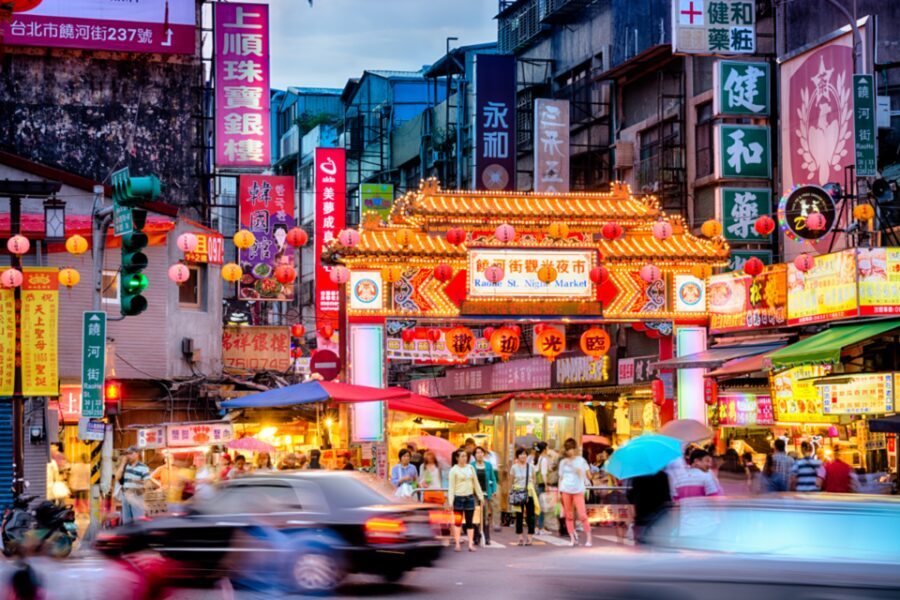
At $23 per person for a 2-hour guided market walk, the cost is mostly paying for two things: access to decision-making and local guidance. Food and drinks are extra, which is standard for this kind of experience.
So is it worth it? For most people, yes, because night markets aren’t just about tasting. They’re about navigation and timing. You’re paying to avoid:
- wasting time figuring out what’s worth ordering
- standing in the wrong lines
- missing key cultural sights tied to the market’s identity
Also, the tour includes insurance and a professional guide. That background support matters when you’re walking through crowds with a plan and a person who knows the flow.
If you’re the type who enjoys markets and speaks a bit of Mandarin, you could wander Raohe on your own. But if you want higher odds of a great selection and you like learning while you eat, the guided price feels reasonable.
Who should book this night market walk
This tour is a good fit if you:
- want a structured way to experience Raohe in a short time
- like street food but hate the guesswork
- enjoy cultural context, especially temple-related stories
- travel solo and want someone to help you manage a crowded setting
- want a small-group or private-style experience rather than a big bus crowd
It may not be your best choice if you:
- have mobility issues or health conditions affected by walking and crowds
- prefer a fully planned meal with included food (this is pay-your-own for snacks)
- hate the idea of carrying cash
Should you book it or skip it?
I’d book it if your goal is simple: taste the right stuff, see the key Raohe sights, and understand the temple meaning behind the night market mood, all within 2 hours. The strongest part of the experience is the guide’s role in choosing stalls and explaining what you’re eating, with a temple stop that adds depth without making the tour feel heavy.
I’d skip it if you want minimal walking or you have health concerns that make crowded walking risky. And if you already love street markets and are comfortable ordering without help, you might not feel the full value of the guide.
If you can handle the walk and you’re happy to pay for snacks directly, this is a solid, efficient way to experience Raohe Night Market with less stress and more payoff.
FAQ
Where do I meet the guide?
Meet at MRT Songshan Station (G19) Exit 5. Look for your guide wearing a yellow shirt.
How long is the tour?
The tour runs for 2 hours. The exact time on the ground can be adjusted due to traffic jam or weather.
Is food included in the tour price?
No. Food and drinks are not included. You sample snacks based on your preferences, and you pay for them yourself.
What languages are available for the live guide?
Live tour guides are listed in Chinese, English, Japanese, and Traditional Chinese. If the preferred language group doesn’t meet the minimum, the tour operates with Chinese/English guides.
What should I bring?
Bring comfortable shoes, rain gear, and cash. You’ll also want to consider your physical condition because the tour includes a lot of walking.
Is this tour suitable for everyone?
It’s not suitable for people with high blood pressure, heart problems, or mobility impairments. If you have specific food allergies, inform your guide before traveling.