REVIEW · TAIPEI
Taiwanese Gourmet Cooking Class in Taipei
Book on Viator →Operated by CookInn Taiwan · Bookable on Viator
Three classics. One afternoon.
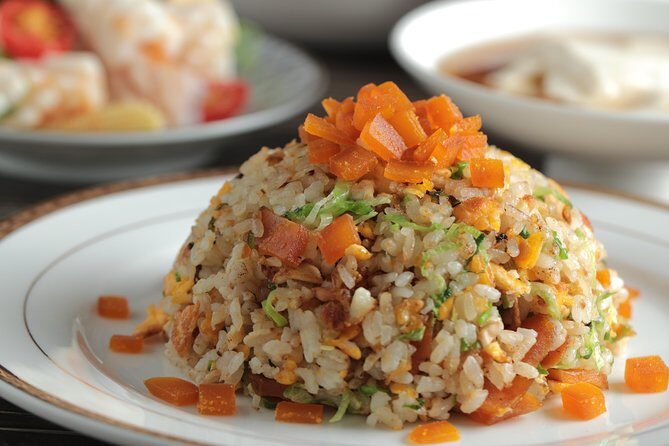
This Taiwanese Gourmet Cooking Class in Taipei is built around hands-on cooking and the stories behind the flavors, not just watching. You’ll work through a full meal worth of dishes, including mullet roe fried rice and three-cup chicken, then sit down for a multi-course feast.
I like the small group size (max 8), because it keeps the pace practical and the instruction personal. I also like that the teaching is designed for real communication—one class lead named Diana was described as clear and bilingual in Chinese and English, which makes a big difference when you’re trying to nail sauces and timing.
One consideration: it’s about 3 hours, so it’s a focused food experience, not a half-day that doubles as a sightseeing block.
In This Review
- What makes this Taipei cooking class click
- What you’re really signing up for: “Taiwanese Gourmet Menu” skills
- Entering the kitchen at Cookinn Taiwan (Zhongshan 中山教室)
- The flavor lesson before the first pan: black gold and classic sauces
- Mullet Roe Fried Rice: learning the method behind the comfort
- Three-cup chicken: practicing Taiwanese sauce-driven cooking
- Squid with Five-Taste Sauce: balancing bold flavors with technique
- Soft tofu pudding: finishing with dessert that teaches contrast
- The multi-course feast: taste with purpose, not just hunger
- Price and timing: $95 for 3 hours and why it can be worth it
- Who this Taiwanese cooking class is best for
- Should you book it?
- FAQ
- FAQ
- What time does the Taiwanese gourmet cooking class start in Taipei?
- How long is the cooking class?
- How many dishes will I cook?
- Which dishes are included in the menu?
- What is the maximum group size?
- Where is the meeting point?
- Is there instruction in English?
- What age is this class suitable for?
- Is there a market tour as part of the experience?
- What’s the cancellation policy?
- Will the class run in bad weather?
- How do I receive my ticket?
What makes this Taipei cooking class click
- Three classic dishes you cook from start to finish during the class window
- Sauce stories (including mullet roe’s black-gold nickname) that explain why these dishes work
- Small group, max 8 travelers, with hands-on help instead of a lecture
- Multi-course feast after cooking, so you get to taste what you made
- A clean, spacious kitchen setup, helpful if you want an easy learning flow
What you’re really signing up for: “Taiwanese Gourmet Menu” skills
This isn’t a demo where you hover and hope. The class format is centered on doing the work yourself—prep to plate—so you leave with techniques you can use again at home. The promise is pretty clear: learn classic Taiwanese flavors, hear the stories behind certain dishes, and practice the core methods that build those flavors.
The menu focuses on dishes that many people in Taiwan treat as everyday comfort food, but they still carry identity through sauces. That matters, because sauces are basically the language of Taiwanese cooking. When you understand what to look for (and what changes if you adjust the sauce), the dishes stop feeling random.
You also end with something you can actually compare: you cook, then you eat. That closes the loop. Even if you’re a casual cook, you’ll likely notice the texture and balance right away—then understand it more than if you had only read about it.
You can also read our reviews of more cooking classes in Taipei

Entering the kitchen at Cookinn Taiwan (Zhongshan 中山教室)
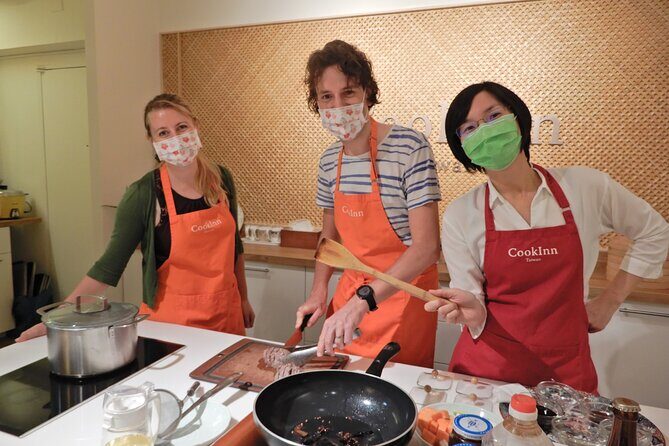
Your experience starts at Cookinn Taiwan (Zhongshan 中山教室), 2F, 103 Chengde Rd, Section 1, Datong District, Taipei City. The listed start time is 9:30 am, and the activity ends back at the meeting point.
Why this matters: Zhongshan is a practical base for Taipei exploring. But for the class itself, the key point is that you’re going straight to a kitchen environment designed for instruction. The setup described in feedback is clean and spacious, which helps a lot when you’re learning knife work and sauce work without feeling squeezed.
Also, since you’re not wandering through multiple neighborhoods for tiny food “stops,” you avoid the usual time-loss. You get your cooking time concentrated.
And yes, you’ll have a mobile ticket. That’s one less thing to manage in a busy city.
The flavor lesson before the first pan: black gold and classic sauces
A standout part of this experience is that it doesn’t treat ingredients like trivia. It ties them to Taiwanese culinary identity. You start with context around a few headline flavors that show up across the menu.
One big example is mullet roe, described as “black gold” in Taiwan and seen as a treasure from local waters. That nickname matters because it hints at value and reputation. When an ingredient has a cultural story behind it, you cook with more care instead of just following steps.
Then you get anchored in classic sauce identities. The class highlights three-cup sauce and five-taste sauce as two of the most classic sauce styles in Taiwanese cuisine. The takeaway isn’t just names—it’s that these sauces are built for flavor layering. You’ll hear what makes them classic and what roles they play in the dishes you’re about to cook.
If you care about authenticity, this is a smart way to structure a cooking lesson. It gives you a “why” that makes the “how” easier to remember.
Mullet Roe Fried Rice: learning the method behind the comfort
The class includes Mullet Roe Fried Rice, and this is where you practice a key cooking habit: how to handle strong flavor ingredients so they don’t overpower everything else.
In practical terms, you’re cooking this dish as part of a full course menu, so the class pace stays purposeful. You start from scratch and move through the steps that make fried rice work—heat control, seasoning balance, and getting the texture right.
What makes this dish especially valuable for you as a home cook: fried rice is forgiving, but only if you understand seasoning timing. When you learn how a prized ingredient like mullet roe fits into a familiar format, you gain confidence for other upgrades too—more interesting breakfasts, quick meals for guests, and better fried rice even when you’re using simpler pantry items.
And because you’ll also hear the “black gold” story as part of the ingredient context, you’re not just cooking a dish. You’re learning a Taiwanese flavor idea you can reuse.
Three-cup chicken: practicing Taiwanese sauce-driven cooking
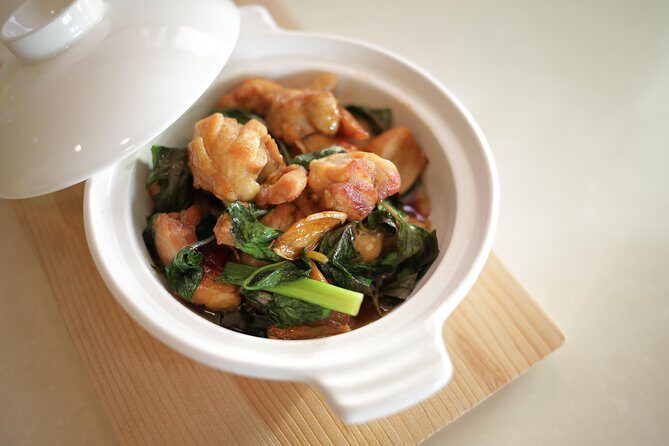
Next up is Three-Cup Chicken, one of the class’s anchor dishes. This is the kind of recipe where the sauce does a lot of the work—flavor depth, shine, and staying power.
The value here is that you practice a sauce style that’s popular in Taiwan for a reason. The class framing calls out three-cup sauce as one of the most classic Taiwanese sauces, and that’s a strong signal that you’re learning something foundational, not trendy.
For you, this means you’re building a repeatable skill: how to work with a signature sauce rather than treating each dish as a one-off recipe. If you’ve ever cooked from a book and ended up with “good but not right” results, a lesson like this helps because you’re learning the role the sauce plays in the final dish.
Also, chicken is a great training platform. It’s familiar, so your focus stays on sauce behavior and doneness rather than guessing how the dish should feel overall.
A few more Taipei tours and experiences worth a look

Squid with Five-Taste Sauce: balancing bold flavors with technique
The third classic dish is Squid with Five-Taste Sauce. The class calls out five-taste sauce as another hallmark Taiwanese sauce style, which tells you what to watch for while cooking: how the sauce carries layered flavor and how it coats without turning the dish messy.
Squid can be tricky for home cooks because texture matters. A cooking class gives you direct help to get that right. And since this is taught as a start-to-finish experience, you’re learning the full flow rather than just tasting the result at the end.
What I like about including squid in the menu: it expands your technique beyond chicken and rice. After this, you’re not just “good at one type of Taiwanese meal.” You can handle seafood-style cooking with a sauce framework that matches Taiwanese flavor identity.
Soft tofu pudding: finishing with dessert that teaches contrast
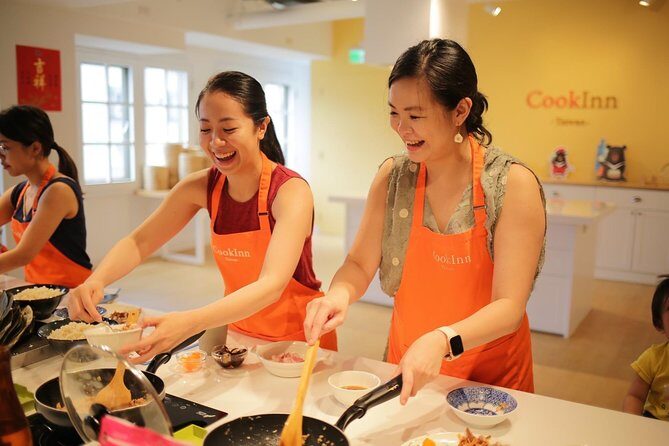
You also make a dessert: Soft Tofu Pudding. Desserts in cooking classes often get short shrift, but here it’s part of the core program, which is a smart move for two reasons.
First, soft tofu pudding gives you a contrast to the savory, sauce-driven dishes you cook earlier. That contrast helps your palate reset and makes it easier to remember what you learned about the savory flavors.
Second, it’s an approachable dish that can strengthen your confidence. Even if you’re not a “dessert person,” the inclusion signals that the class wants you leaving with a wider range of skills.
The multi-course feast: taste with purpose, not just hunger
After cooking, you’ll enjoy a multi-course feast. This is where the experience earns its keep. You don’t just walk away with recipes—you eat what you made, then connect the final flavor to the steps you practiced.
Here’s how to make that part work for you: pay attention to the balance between sauce intensity and the base ingredients. In Taiwanese cuisine, sauce often carries the story, but it should still respect the ingredient. When you taste, think back to what you were taught about the sauce’s role.
This meal structure also makes the class feel like an event rather than a workshop. You’ll likely leave feeling satisfied in a full-meal way, not just snacky.
Price and timing: $95 for 3 hours and why it can be worth it
At $95 per person for about 3 hours, you’re paying for several things at once:
- hands-on instruction for a small group (max 8)
- multiple dishes cooked during the session
- the meal you eat afterward
- the “story” element that explains classic Taiwanese flavors through ingredient and sauce context
Is it cheap? No. Is it good value for a focused cooking lesson that ends with food you made? It can be.
One practical note: it’s commonly booked around 20 days in advance, so if you’re aiming for a specific date, don’t wait until the last minute.
The format is also straightforward: confirmation is received at the time of booking, and the class is held at a clear meeting point, starting at 9:30 am.
Who this Taiwanese cooking class is best for
This class is a strong fit if you want to learn Taiwanese cooking in a way that actually sticks. You’ll probably enjoy it if you:
- like cooking and want to improve your technique, not just eat well
- want Taiwanese flavor context, especially around classic sauces
- enjoy small-group teaching where you can ask questions
- cook at home already, but want a clearer path to the right flavor balance
It also fits casual cooks. The feedback highlights that the lesson can be followed easily, with instruction that works even if you’re not fluent.
Should you book it?
If your goal is to leave Taipei with more than photos and hunger—if you want a practical Taiwanese cooking skill set—this is a smart booking. The combination of start-to-finish cooking, a focused menu of three classic savory dishes plus dessert, and clear bilingual instruction (including a previously noted teacher named Diana) makes it a class you can actually learn from.
The main reason not to book is simple: you only have limited time and you need something that blends into sightseeing or shopping. This is a dedicated food lesson. When you want that kind of focus, it’s a great choice.
FAQ
FAQ
What time does the Taiwanese gourmet cooking class start in Taipei?
The class starts at 9:30 am.
How long is the cooking class?
The duration is about 3 hours.
How many dishes will I cook?
You’ll learn to cook 3 classic dishes plus a dessert.
Which dishes are included in the menu?
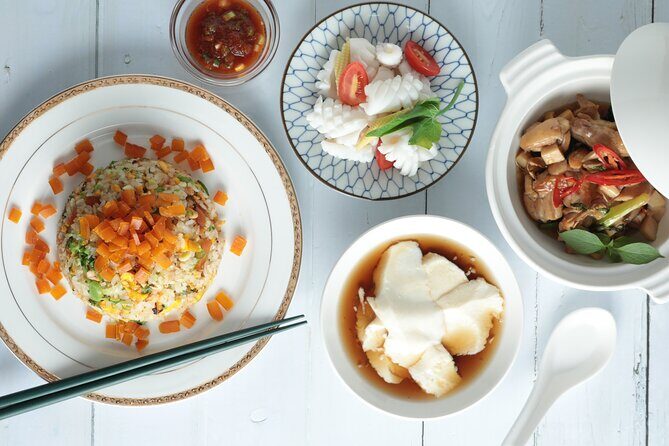
The class includes Mullet Roe Fried Rice, Three-Cup Chicken, Squid with Five-Taste Sauce, and Soft Tofu Pudding.
What is the maximum group size?
The class has a maximum of 8 travelers, which helps keep it hands-on.
Where is the meeting point?
Meet at Cookinn Taiwan (Zhongshan 中山教室), 2F, at 103 Chengde Rd, Section 1, Datong District, Taipei City, 66號2樓.
Is there instruction in English?
Yes. Instruction is described as available in Chinese and English, with a past instructor named Diana noted for clear English.
What age is this class suitable for?
It’s suitable for ages 12 and above. Children aged 7–11 receive a 15% discount, and one child under 6 may accompany free of charge.
Is there a market tour as part of the experience?
The notice states that the market tour will no longer be available from September 1st, 2022.
What’s the cancellation policy?
You can cancel for free up to 24 hours in advance for a full refund. If you cancel less than 24 hours before the start time, the amount paid isn’t refunded.
Will the class run in bad weather?
The experience requires good weather. If it’s canceled due to poor weather, you’ll be offered a different date or a full refund.
How do I receive my ticket?
You’ll receive a mobile ticket.