REVIEW · TAIPEI
Taiwanese Food Culture and Cooking Class
Book on Viator →Operated by Make My Day Cooking Lab · Bookable on Viator
A market tour first makes cooking click. This 4.5-hour Taipei class pairs a walk through Dongmen Market with hands-on home-style cooking, taught in a cozy studio by Chef Wayne. You don’t just follow a recipe. You learn why Taiwanese everyday food works the way it does.
I love the focus on seasonal produce and fruit, not a rush cart of ingredients. I also love the conversation element—Chef Wayne brings decades of experience and is happy to talk food and cultural differences as you cook.
One possible drawback: the cooking studio has no elevator and you’ll need to climb 4 floor stairs to get in.
In This Review
- Key Highlights You’ll Feel Right Away
- A Taipei Cooking Class That Starts Where Real Ingredients Begin
- Getting to the Studio on Xinyi Rd (and What to Expect on Arrival)
- Dongmen Market: Seasonal Produce, Fruit, and Small Tastes That Teach You
- What to watch for (so you can get more out of it)
- Chef Wayne’s Teaching Style: Home Cooking With Real Stories
- What you’ll get in the lesson materials
- Cooking Time in a Fully Equipped Studio (Clean, Spacious, and Hands-On)
- The small-group size changes your experience
- Vegan and Dietary Needs: How Flexible Is It?
- Price and Value: What $130 Really Includes in Taipei
- Is This the Right Fit for You? (And Who Might Skip It)
- Practical Tips to Get the Most From Your Class
- FAQ
- How long is the Taiwanese Food Culture and Cooking Class?
- Where do I meet for the cooking class?
- What time does the class start?
- How much does it cost?
- What group size should I expect?
- Are recipes provided, and what languages are they in?
- Is there a vegan menu?
- What if I have dietary requirements besides vegan?
- Is the studio accessible by elevator?
- Should You Book This Taipei Cooking Class?
Key Highlights You’ll Feel Right Away
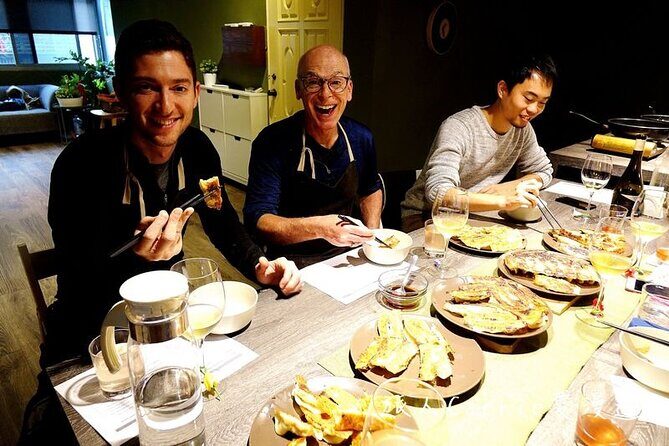
- Dongmen Market, the practical way: shop by season and learn what people actually eat
- Small group with max six: more attention, less waiting around
- Chef Wayne (home-style Taiwanese): teaching that’s friendly for all skill levels
- English/Chinese/Japanese recipes available: you can take the method home
- Vegan menu available on request: easier to plan meals around your needs
A Taipei Cooking Class That Starts Where Real Ingredients Begin
Most cooking classes in Taipei jump straight to the stove. This one starts earlier—at Dongmen Market—and that changes everything. You learn to recognize ingredients before you ever cook them, and you get a sense of what seasonal produce means in daily meals. It’s the difference between memorizing dishes and understanding how Taiwanese home cooking is built.
I also like that the format feels personal. The class is limited to a maximum of 10 travelers overall, with a smaller cap of six in the session. That matters because you’re not just watching someone else work. You’re close enough to ask questions, get adjustments, and actually build confidence.
And the style is intentionally “everyday.” You’re not chasing a flashy, one-time show meal. You’re learning home-style cooking the way Taiwanese families cook it—because that’s what you’ll be able to repeat later.
You can also read our reviews of more food & drink experiences in Taipei
Getting to the Studio on Xinyi Rd (and What to Expect on Arrival)
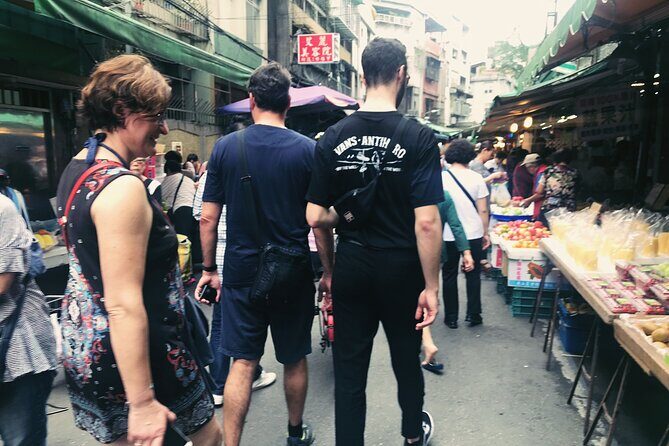
The experience meets at No. 168, Section 2, Xinyi Rd, Da’an District, Taipei City at 9:30 am, and it ends back at the meeting point. It also uses a mobile ticket, so bring your phone with the confirmation ready to show.
Public transportation is near, which is helpful in Taipei. Still, plan your route so you’re not stressed about timing; you’ll be on your feet as the morning market part unfolds.
One practical thing to note: the studio has no elevator and you’ll need to climb four floors of stairs. If stairs slow you down, factor that in before you book. The upside is that this kind of small, studio-style setup usually means a more functional teaching space than the typical classroom.
Dongmen Market: Seasonal Produce, Fruit, and Small Tastes That Teach You
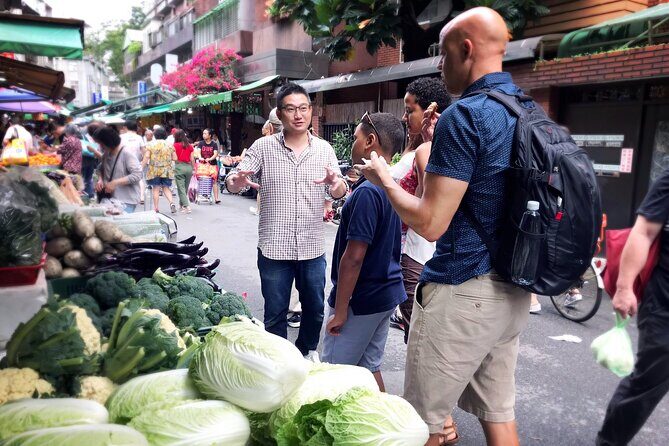
The market stop is more than ingredient shopping. It’s how the whole class sets its tone.
Instead of treating the market like a checklist, the approach is about understanding seasonal produce and fruits. You’ll learn what’s in season and how that choice affects taste and cooking style. That’s a big deal in Taiwanese home cooking, where flavors shift with the week’s produce.
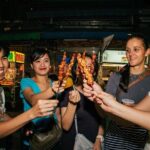
You’ll also get to sample foods and drinks at the morning market—items that many visitors wouldn’t naturally pick on their own. Those little taste moments help you connect the cooking lesson to real life. If you’ve ever thought, I like Taiwanese food but I don’t understand what’s driving the flavor, the market part is where that starts to click.
What to watch for (so you can get more out of it)
Wear shoes that can handle market walking. Even if the route isn’t long, the ground and pacing can feel uneven. Bring a little appetite too. If you come in only half-hungry, you’ll miss the point of the tasting stops.
And don’t worry if you feel hesitant at first. The class is designed to be approachable. Wayne’s style is relaxed enough that you can ask questions without feeling rushed.
Chef Wayne’s Teaching Style: Home Cooking With Real Stories
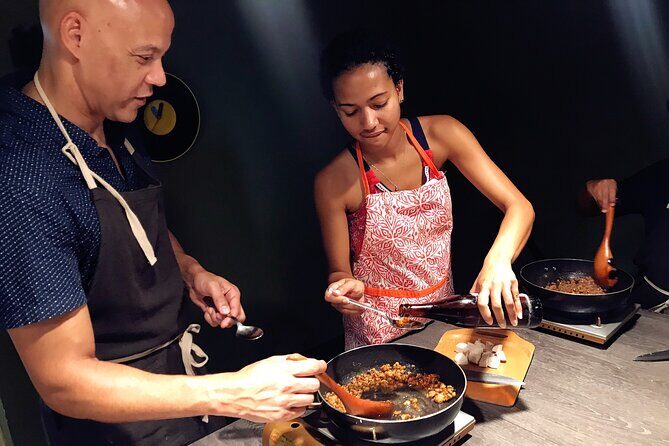
The class is taught by Wayne, who brings nearly 30 years of culinary experience. He learned traditional Taiwanese home cooking from his mother. He also spent time in Melbourne, where he mastered Sicilian home-style Italian cuisine under an Italian grandmother.
That mix makes the teaching feel practical, not academic. He’s focused on how you cook day-to-day, why certain steps matter, and how to avoid common mistakes that cause bland or uneven results at home.
One of the best parts is the conversation. You’ll have room for deep talk about food and cultural differences, not just short yes/no answers. If you enjoy chatting—especially about what’s normal in someone’s kitchen—this class has that “visit a Taiwanese home” energy.
A few more Taipei tours and experiences worth a look

What you’ll get in the lesson materials
You’ll receive recipes in English, Chinese, and Japanese if needed. That’s useful for two reasons:
- You can follow along while you cook.
- You can recreate the dishes later without guessing what you were doing.
Recipes in multiple languages are also a quiet sign of professionalism. This isn’t a one-page card handed out at random. It’s meant to help you learn the method.
Cooking Time in a Fully Equipped Studio (Clean, Spacious, and Hands-On)
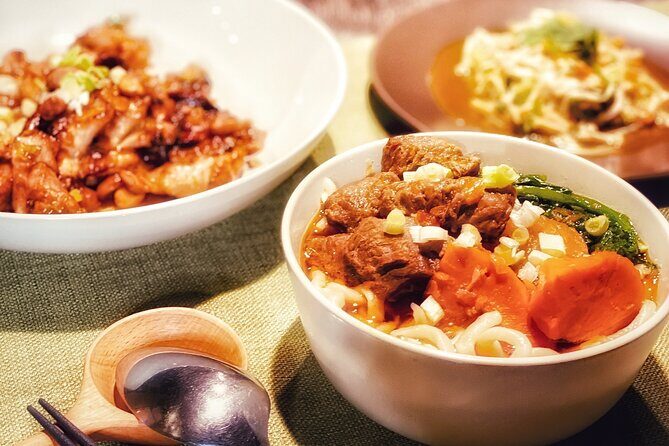
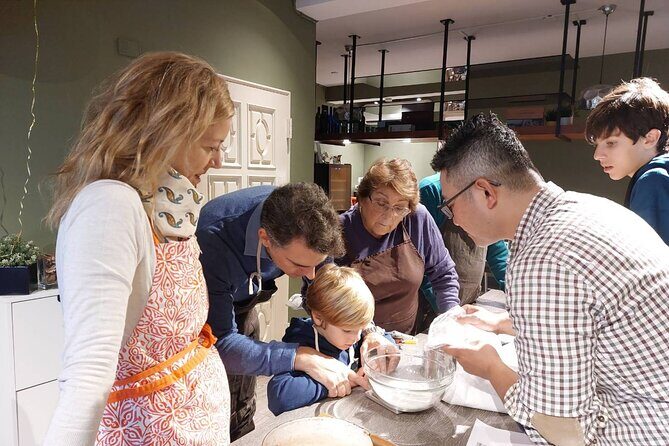
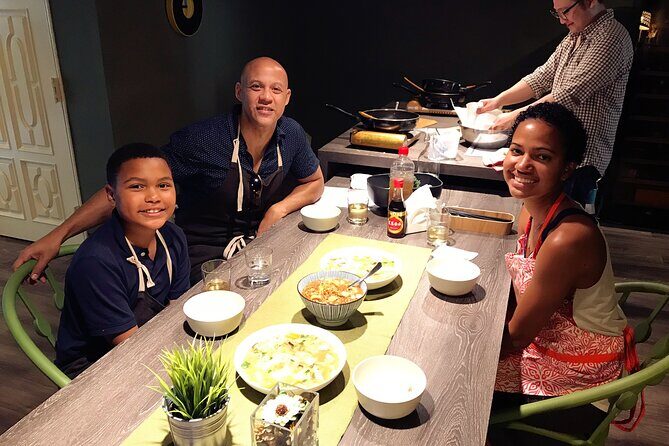
After the market, you move into a fully equipped cooking studio. The kitchen setup is spacious and clean, which matters when you’re cooking in a group. There’s enough room for movement and for instructors to circulate.
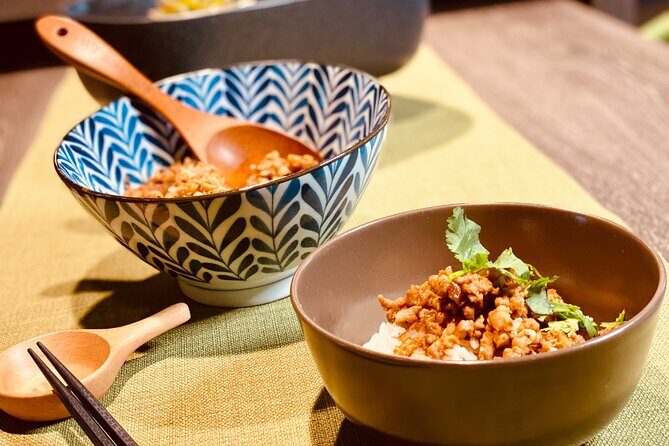
What you actually do during the class depends on the session theme. Each day has a different Taiwanese cuisine theme, so you’re not guaranteed the same exact dishes as the next group. Still, the teaching focus stays consistent: home-style technique, ingredient understanding, and the kind of practical steps you can repeat.
One review specifically highlighted a stir fry experience with Wayne. That’s a good clue that the class includes hands-on technique, not just chopping and assembly. You’re likely to work with everyday cooking methods you can translate into your own kitchen.
The small-group size changes your experience
With a maximum of six students per session, you’re not stuck waiting for attention. Wayne can correct technique while you’re still in the middle of the process. That reduces the chance you’ll go home with a dish that looks right but tastes off—because someone couldn’t get to you in time.
If you’re a confident cook, you’ll still appreciate the tips and texture control. If you’re new, the hands-on pacing makes it easier to learn without feeling lost.
Vegan and Dietary Needs: How Flexible Is It?
A vegan menu is available on request. That’s great if you want the cultural and market experience without compromising your diet.
For other dietary requirements, you can discuss them and the team can cater before booking (including market tour and cooking class). The key here is that the class plans ahead. If you have restrictions, don’t wait until the day of the tour to ask.
This flexibility is part of why the “small-class, quality-ingredient” approach works. They’re not trying to scale into a one-size-fits-all machine.
Price and Value: What $130 Really Includes in Taipei
At $130 per person, the price isn’t a bargain, and it’s also not inflated for a basic classroom session. Here’s what helps it feel like real value.
You’re paying for:
- a guided morning market experience (with tastings, not just shopping),
- a small-group cooking class designed for close instruction,
- English/Chinese/Japanese recipes you can use afterward,
- and the ingredient quality emphasis.
Also, this class is booked about 18 days in advance on average, which suggests demand. When something consistently sells out or gets snapped up quickly, it often means the experience lands well with people—especially those who care about food culture, not just a souvenir activity.
If you compare this to doing Taiwan food on your own, you can absolutely eat for less money. But you won’t get the structured technique practice plus the market-to-kitchen explanation in one shot.
If you want the most value, go in with one goal: learn methods you can repeat. If you only want photos and a quick meal, you may feel it’s pricier than it needs to be.
Is This the Right Fit for You? (And Who Might Skip It)
This class is a strong match if:
- you love food and want more than restaurant recommendations,
- you enjoy hands-on cooking,
- you want a window into Taiwanese daily life through close conversation,
- you prefer small groups over large tour herds,
- and you’d like recipes you can actually read later.
It’s less ideal if:
- you hate markets or standing/walking early in the morning,
- you want a strictly sightseeing-focused day with minimal cooking,
- or you’re not able to handle stairs (the studio requires climbing four floors).
If you’re traveling with friends, it also helps that the overall group size stays tight. You’ll still get a real class feel rather than a chaotic “everyone squeeze in” situation.
Practical Tips to Get the Most From Your Class
Bring a curious mindset. The market part is where you’ll learn terms, flavors, and ingredient logic. Ask questions when something looks unfamiliar. Those tastings and descriptions are there for a reason.
Also, take notes as you cook—especially on steps that feel simple. Home-style cooking teaches you the “why,” and that’s what saves you from guessing later.
Finally, consider pacing your day. You’re in a hands-on cooking rhythm for about 4 hours 30 minutes, and it’s the kind of activity that makes food feel extra important afterward.
FAQ
How long is the Taiwanese Food Culture and Cooking Class?
The class lasts about 4 hours 30 minutes.
Where do I meet for the cooking class?
You meet at No. 168, Section 2, Xinyi Rd, Da’an District, Taipei City, Taiwan 106.
What time does the class start?
The start time is 9:30 am.
How much does it cost?
It costs $130.00 per person.
What group size should I expect?
The maximum number of travelers is 10, and the session size is kept small with a maximum of six students.
Are recipes provided, and what languages are they in?
Yes. Recipe materials are available in English, Chinese, and Japanese if needed.
Is there a vegan menu?
Yes, a vegan menu is available on request.
What if I have dietary requirements besides vegan?
Special dietary requirements can be discussed and catered for before booking, including the market tour and cooking class.
Is the studio accessible by elevator?
No elevator is available, and you need to climb four floors of stairs.
Should You Book This Taipei Cooking Class?
If you want a Taipei food experience with actual skills behind it, this is an easy yes. The market-first approach, the small group format, and the chance to talk with Wayne about everyday Taiwanese food make it feel like more than an activity.
Book it if you’re the kind of person who likes to learn methods you can repeat at home. And if stairs are an issue for you, double-check your comfort level before committing.
For me, the strongest reason to choose this over a typical “eat your way through Taipei” day is simple: you leave with understanding, not just hunger.