REVIEW · TAIPEI
Taiwanese Baking Class with Oolong Tea Tasting in Taipei
Book on Viator →Operated by CookInn Taiwan · Bookable on Viator
Sweet-scented pastries in a tidy 2-hour block. This Taipei class at CookInn Taiwan (Zhongshan 教室) turns a late afternoon into a hands-on session where you make Taiwan’s classic “good fortune” pastries. I love the balance here: you get real baking time for pineapple cakes and mung bean cakes, plus an oolong tea service that actually explains what you’re tasting. I also like that everything is designed for take-home satisfaction, including packaged results and a to-go box. One consideration: you’ll want to show up on a day with decent weather since the experience requires it.
You don’t need to be a baker to enjoy it. The instructor’s approach is patient, with clear directions that keep you from feeling lost when you’re working with dough, fillings, and shaping. The output is twofold: you leave with treats you made and a better sense of why these foods matter in Taiwanese daily life—especially the pineapple cake blessing.
In This Review
- Key Points You’ll Care About
- A Great Taipei Afternoon Plan Centered on Good Fortune Pastries
- Exactly What You’ll Bake: Pineapple Cakes and Mung Bean Cakes
- Pineapple cakes: more than the fruit flavor
- Mung bean cakes: sweet, grounded, and very Taiwanese
- The benefit of learning both
- Scallion Nougat Crackers: Savory Meets Milky-Sweet
- Snacks, Tea, and the Short Tea-Culture Moment
- How to make the pairing work
- What you get in the moment
- What the Two-Hour Workshop Feels Like (and How to Plan Around It)
- My advice for timing
- Price and Value: Is $80 for a Baking Class Worth It?
- Who Should Book This Class (and Who Might Skip It)
- If Weather Changes or the Day Feels Off
- Should You Book CookInn Taiwan’s Baking Class?
- FAQ
- How long is the Taiwanese baking class?
- Where does the class meet in Taipei?
- What pastries will I make?
- Is the price $80 per person?
- What’s included with the class?
- Is there a group size limit?
Key Points You’ll Care About
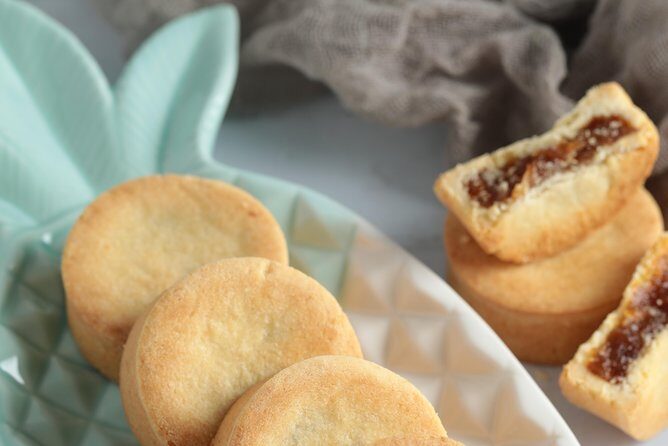
- Pineapple cakes and mung bean cakes: classic Taiwanese flavors with built-in meaning of prosperity and blessings.
- Oolong tea service included: a short tea-culture intro paired with what you baked.
- Scallion nougat crackers: a salty-sweet bite that’s easy to love with tea.
- To-go packaging + recipes: you don’t just taste on-site; you take the results home.
- Small group size (max 10): more attention, less waiting around.
A Great Taipei Afternoon Plan Centered on Good Fortune Pastries
If you’re in Taipei and your brain is already full of night markets and famous landmarks, this class gives you something different: a focused food workshop that feels local and thoughtful, not touristy noise. It’s scheduled for the afternoon (start time is 2:30 pm), so it works well as either a relaxing break before dinner or your main food activity that day.
What makes this experience especially appealing is that it’s not only about the finished pastry. The class links flavors to language and symbolism. You’ll learn how pineapple cakes became an iconic souvenir, but the deeper reason is a wordplay blessing tied to Taiwanese pronunciation—something you can carry home even if you finish the last bite on the plane.
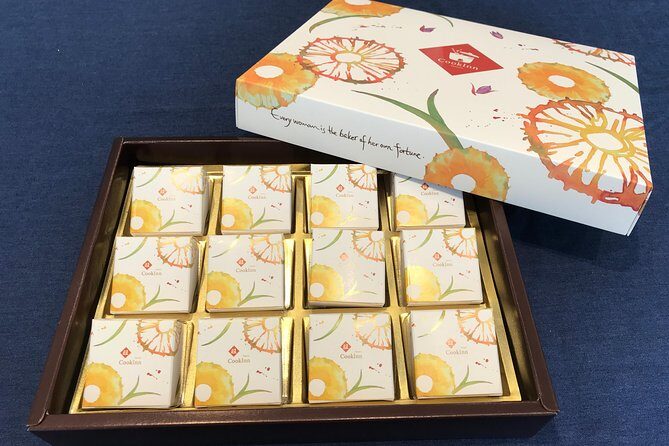
There’s also a practical payoff. You’ll eat snacks during the session, enjoy the pastries with tea, and leave with a prepared to-go setup. That means the class doesn’t end when you walk out the door.
You can also read our reviews of more food & drink experiences in Taipei
Exactly What You’ll Bake: Pineapple Cakes and Mung Bean Cakes
The heart of the workshop is two traditional Taiwanese pastries: pineapple cakes and mung bean cakes. These aren’t random desserts; they’re the kind of cookies you’ll see in gifting situations—wrapped neatly, brought to visiting relatives, and served as part of a “good wishes” moment.
Pineapple cakes: more than the fruit flavor
The key detail I’d highlight for you is the meaning behind the pineapple cake. In Taiwanese, pineapple is pronounced like ong-lai. That sound is linked to the idea of fortune and prosperity coming your way. So when you make pineapple cakes, you’re not just shaping dough and filling—you’re learning a little cultural shorthand that explains why these pastries are so widely gifted.
Expect to spend real class time working dough and filling. You’ll also see how the pastry is designed to be a shelf-friendly, gift-ready treat. That matters because it’s part of why these cakes became a go-to souvenir.
Mung bean cakes: sweet, grounded, and very Taiwanese
Mung bean cakes come with a different mood from pineapple. If you want something less bright and more mellow, this is the one. Mung beans bring a soft, sweet flavor that pairs naturally with tea. In the class setting, you’re guided through the process so you know what to do next—shaping, filling, and handling the dough so it turns into a clean, satisfying finished cookie.
The benefit of learning both
I like this two-pastry mix because it gives you contrast. One pastry is tied to a prosperity blessing; the other is a classic Taiwanese sweet with a gentle profile. After the class, you’ll be better at choosing which type of pastry to buy (or gift) depending on someone’s tastes.
A few more Taipei tours and experiences worth a look
Scallion Nougat Crackers: Savory Meets Milky-Sweet
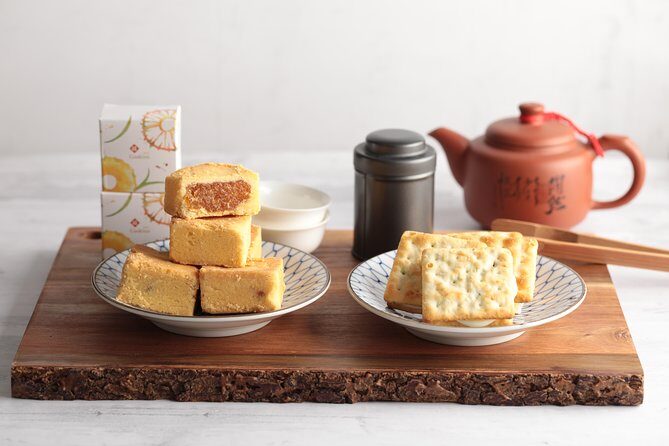
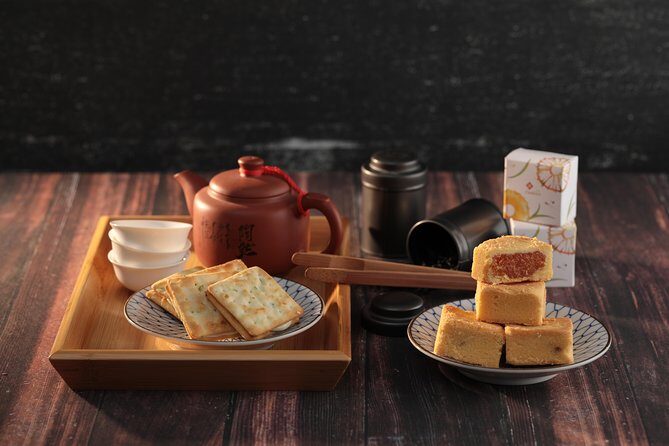
Besides the main cakes, you’ll also make scallion nougat crackers, and this is the part that surprised me in the best way. It’s not a typical dessert. It’s flaky and savory on the outside—built on scallion crackers—then sandwiched with a milky-sweet nougat filling.
That combination is exactly what makes it a good pairing with tea. Tea isn’t just a drink here; it’s a flavor reset between bites. The savory scallion keeps the sweetness from feeling heavy, and the nougat turns it into something you’d actually reach for again and again.
Also, the final result is designed for sharing. The crackers end up packaged so you can take them home without them turning into crumbs on the walk back.
Snacks, Tea, and the Short Tea-Culture Moment
Once the baking and prep are done, the class shifts into tasting mode. You’ll enjoy what you made with traditional tea service, and you’ll get a quick introduction to Taiwan’s tea culture.
The star is Taiwan oolong tea. The class explanation focuses on why it tastes the way it does—because of unique growing conditions. Even if you’ve had oolong before, this kind of targeted pairing helps you pay attention to the differences instead of just drinking something warm.
How to make the pairing work
You’ll get the most out of this tea service if you treat it like a tasting session rather than a reset. Take one bite of pineapple cake, then sip. Notice whether the sweetness feels sharper or smoother after tea. Then do the same with the mung bean cake and the scallion nougat crackers.
This is one of those experiences where the food stops being just food and becomes information you can reuse. After you leave, you’ll have a clearer idea of which flavors oolong supports best.
What you get in the moment
During the class you’ll also have snacks included. That keeps the energy up while you’re working with dough and timing. It also means you’re not stuck waiting to eat until the last few minutes.
What the Two-Hour Workshop Feels Like (and How to Plan Around It)
The class is about 2 hours to about 2.5 hours in total, starting at 2:30 pm. The pacing matters: you’re not spending the whole time just watching someone else work. You’re shaping and preparing in a guided, step-by-step way.
There’s a maximum group size of 10, which helps for two reasons:
- You’re less likely to get ignored if you’re unsure about a step.
- The instructor can keep instructions clear and consistent.
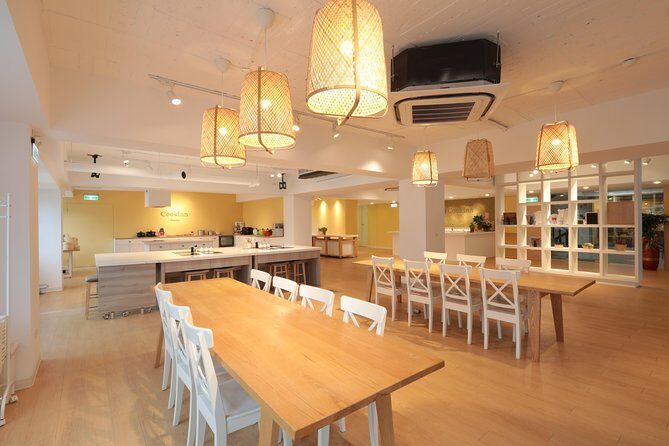
In terms of logistics, you’ll meet at CookInn Taiwan’s Zhongshan classroom. The address is listed as:
CookInn Taiwan (Zhongshan 中山教室), 103, Section 1 Chengde Rd, Datong District, Taipei City, 66號2樓.
It’s also near public transportation, which is a big deal in Taipei where traffic and walking time can be unpredictable.
My advice for timing
Pick your schedule so you’re not sprinting afterward. Plan a relaxed dinner nearby, because you’ll likely want to enjoy your take-home treats later—or gift them the same night if you’re close to where you’re staying.
Price and Value: Is $80 for a Baking Class Worth It?
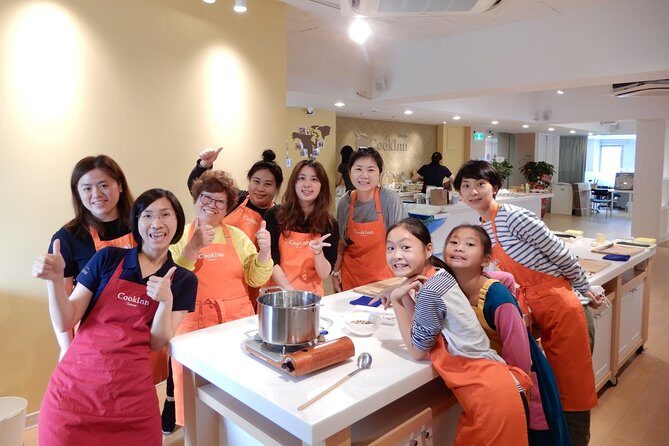
At $80 per person, this isn’t a $20 snack stop. But it also isn’t only a show-and-tell class. You’re paying for a structured cooking session plus ingredients, instruction, included snacks, included tea service, and a take-home package.
Here’s how I’d frame value for you:
- You’re making multiple pastries, not just one quick cookie.
- The class includes a traditional tea service, plus a short explanation that helps you appreciate the tasting.
- You leave with to-go goodies and a souvenir-style box setup, so you can actually bring the experience home.
- You also get recipes, which turns the class from one-day fun into a repeatable food skill.
If you love eating your way through a city, $80 can feel steep. If you like learning what you’re eating and taking it home to share, the cost makes more sense. This is one of those experiences where the pricing feels less like entertainment and more like a guided workshop with edible results.
Who Should Book This Class (and Who Might Skip It)
This is a great fit if you’re:
- A foodie who likes learning the story behind what you eat.
- Someone who enjoys tea, or at least wants to understand oolong beyond the basics.
- The type who likes making edible gifts—pineapple cakes are especially good for that.
- Traveling with a small group where you can enjoy the shared experience and compare your finished pastries.
You might consider skipping if:
- You’re looking for something purely sightseeing-related. This is concentrated around making pastries and tasting tea.
- You don’t like sweet snacks or tea pairings at all. The whole experience is built around that rhythm.
If Weather Changes or the Day Feels Off
This experience requires good weather. If it’s canceled due to poor weather, you’ll be offered a different date or a full refund. That’s the kind of policy that keeps your plans from feeling fragile, but it also means you should avoid scheduling it as your only food activity on a day when the forecast is sketchy.
Also, keep in mind the class size is capped at 10, so if you’re traveling at peak times, book earlier rather than later.
Should You Book CookInn Taiwan’s Baking Class?
I’d tell you to book it if you want a hands-on Taipei food experience with real take-home value. It’s short enough to fit into an afternoon, but not so short that it feels like a demo. You get meaningful cultural context, guided baking for pineapple cakes and mung bean cakes, plus scallion nougat crackers and oolong tea service.
The strongest reason to go is the combination of skills and outcomes: you learn, you eat, and you leave with a to-go box that’s ready to share. If that sounds like your idea of a good afternoon, this is an easy yes.
FAQ
How long is the Taiwanese baking class?
The class runs for about 2 hours, and the experience is described as approximately 2.5 hours.
Where does the class meet in Taipei?
You’ll meet at CookInn Taiwan (Zhongshan 中山教室), 103, Section 1 Chengde Rd, 66號2樓, Datong District, Taipei City.
What pastries will I make?
The experience focuses on making traditional Taiwanese pastries, including pineapple cakes and mung bean cakes. You’ll also make scallion nougat crackers.
Is the price $80 per person?
Yes, the price is listed as $80.00 per person.
What’s included with the class?
Snacks and a traditional tea service are included, and you’ll also receive to-go goodies to take home.
Is there a group size limit?
Yes. The maximum number of travelers is 10.