A good day in Taipei starts with a local map. This private, flexible walking tour pairs iconic landmarks with lesser-known neighborhood spots, planned around you after a quick questionnaire. I like that you’re not stuck with a rigid script, and you get real context while you walk—plus the chance to try Taipei staples like bubble tea and night-market street food. One possible drawback: it’s walking, so your comfort with steps and weather really matters.
Two things I especially like here are the custom itinerary and the way the host adapts on the fly. You can steer toward history, food, culture, architecture, markets, creative hubs, or a calmer riverside stroll, and your guide can adjust in real time. A consideration to watch: the tour language support is English/Chinese, but one guide experience noted communication gaps in rural settings if Mandarin support is needed.
The guides can make or break the day, so pay attention to that. In the best examples, Ben handled English smoothly after time in the USA, and Josh Rice brought practical extras like an umbrella and powerbank while sharing fun, thoughtful Taiwan insights. If you want a slower pace or heavy transit hops, plan your expectations—transport between sites may require public transit or a taxi at additional cost.
In This Review
- Key takeaways before you go
- Why this Taipei private tour feels personal fast
- How the questionnaire builds your route (and who you might get)
- Dadaocheng: old streets, teahouses, and quiet temple alleys
- Ximending: street art, indie shopping, and a different kind of Taipei energy
- Night markets, bubble tea, and food stories you can actually use
- Walking time, transfers, and how long you should book
- Price and value: what $59 buys you in Taipei
- Who should book this custom Taipei walking tour
- Small risks to keep in mind (so you don’t get surprised)
- Should you book this Taipei Private Custom Tour?
- FAQ
- FAQ
- How do they personalize the itinerary for me?
- What languages are the tours offered in?
- Is this a walking tour only?
- Are food, drinks, and attraction tickets included?
- Will I need to pay for transportation during the tour?
- What’s the duration of the tour?
- Is it a private group?
- Is there free cancellation?
Key takeaways before you go
- You shape the route first: a pre-tour questionnaire helps match you with a like-minded host who builds your plan around your interests.
- The day stays flexible: you can pivot from street markets to temples or street art without feeling like you’re stuck in a checklist.
- Neighborhood focus instead of “big sights only”: Dadaocheng and Ximending are both on the menu, plus quieter side streets.
- Food is guided with context: bubble tea stops and night markets come with stories, not just “try this.”
- It’s a walking tour, with occasional transfer hops: you’ll likely use public transport or taxis between zones, so factor in extra time.
- Guide quality varies: most experiences shine, but one account flagged a Mandarin issue and a learning-curve problem in rural areas.
Why this Taipei private tour feels personal fast
Taipei is a city you can’t fully read from a phone screen. The street-level details matter: temple alleys, old-shop neighborhoods, the mood around a night market, and the way people actually move through an area. This tour works because it starts with you, then turns into a guided walk that keeps changing as your curiosity does.
I like the vibe of a private setup. You’re not negotiating the pace with a group, and you’re not stuck where a tour leader thinks you should be. It also means you can ask practical questions in the moment—how something tastes, what a landmark means, or why a neighborhood looks the way it does.
The value is highest when you treat it like a guided conversation with Taipei as the topic. You’ll cover icons, yes, but the real payoff is learning how Taipei fits together: old and modern, sacred and street-level, local routines and tourist magnets.
You can also read our reviews of more private tours in Taipei City


How the questionnaire builds your route (and who you might get)
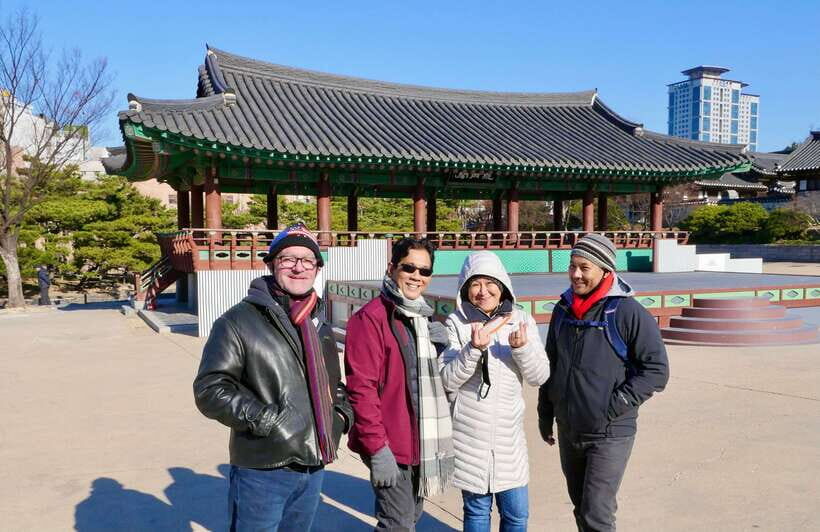
After booking, you’ll receive a questionnaire about your interests and personality. Based on your answers, you’re assigned a host who’s described as like-minded, and you communicate directly with them to shape the itinerary. That matters because the tour isn’t just “same-day highlights.” It’s meant to match your curiosity, your pace, and what kind of photos or food moments you’re after.
The itinerary concept is pretty clear: your host blends must-see areas with places they think you’ll actually enjoy. The examples often include wandering Dadaocheng’s historic streets and teahouses, finding quieter temples in alleys, and mixing in Ximending for street art and indie boutiques. From there, the plan can flex toward a night market and bubble tea, or shift toward traditional markets, creative hubs, or a peaceful riverside walk.
One guide note that I think is worth taking seriously: English support can be excellent, but if your priorities include Mandarin-only rural areas or very specific local context, confirm what language comfort your host has for your chosen route. One experience described missed moments tied to a host learning the tour and not speaking Mandarin, and that’s a useful heads-up for anyone who wants deep local interpretation everywhere you go.
Dadaocheng: old streets, teahouses, and quiet temple alleys
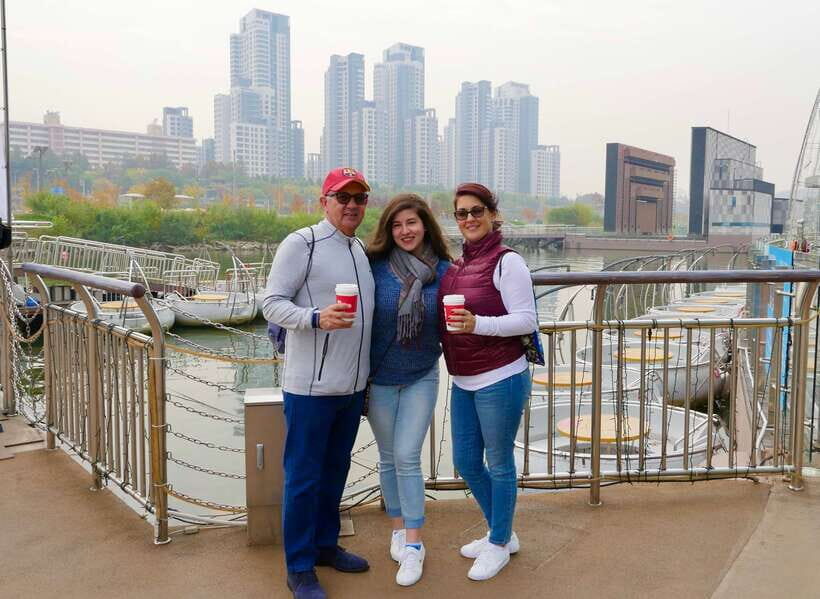
Dadaocheng is the kind of Taipei neighborhood that rewards slow walking. This tour’s version of Dadaocheng is built around atmosphere: historic streets, teahouses, and side lanes that feel removed from the city’s louder postcard zones. If you like architecture, older shopfronts, and the lived-in feel of a district, this part is usually where your eyes start working faster.
What you’ll likely do here is wander rather than race. You might see places that connect the past to today through small details: how the streets are laid out, where people pause, and what kinds of businesses cluster where. Teahouses are a good match for this neighborhood theme because tea culture is both social and sensory. Even if you don’t plan to order something big, you’ll get the point of why it’s still part of local rhythm.
Temples tucked into alleyways are another core ingredient. The value of having a guide is not just finding them, but understanding how to notice them respectfully and how to connect what you see to everyday culture. Quiet temples are often hard to spot without local help, and they’re the kind of stop that turns a “sightseeing day” into a “Taipei day.”
A small practical note: because this is a walking tour, expect uneven sidewalks and frequent stopping. If you want a very minimal-step day, you’ll want to tell your host early so they can balance the route.
Ximending: street art, indie shopping, and a different kind of Taipei energy
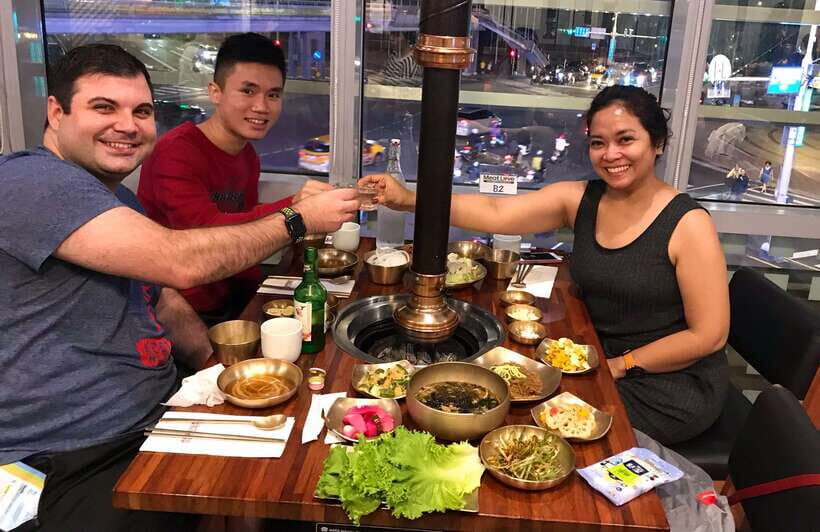
Then the tour often shifts gears to Ximending, Taipei’s youth-and-design magnet. If Dadaocheng is about time depth, Ximending is about visual energy: street art, pop culture edges, and indie shops you probably won’t find through generic search results. It’s a great pairing because you get two different “Taipei atmospheres” in one day.
This portion tends to work well for people who like photography and street-level details. Street art here isn’t just decoration—it’s part of the neighborhood’s identity. You can also use this stop as a chance to shop for small items, browse without pressure, and ask your host what’s worth your money versus what’s mostly for tourists.
The drawback to keep in mind is that Ximending can feel crowded compared with calmer districts. The good news is that a private host can steer you toward less obvious angles and quieter moments, rather than funneling you through the loudest blocks at peak times. Still, if you’re sensitive to crowds, communicate that upfront so the pacing is adjusted.
Night markets, bubble tea, and food stories you can actually use
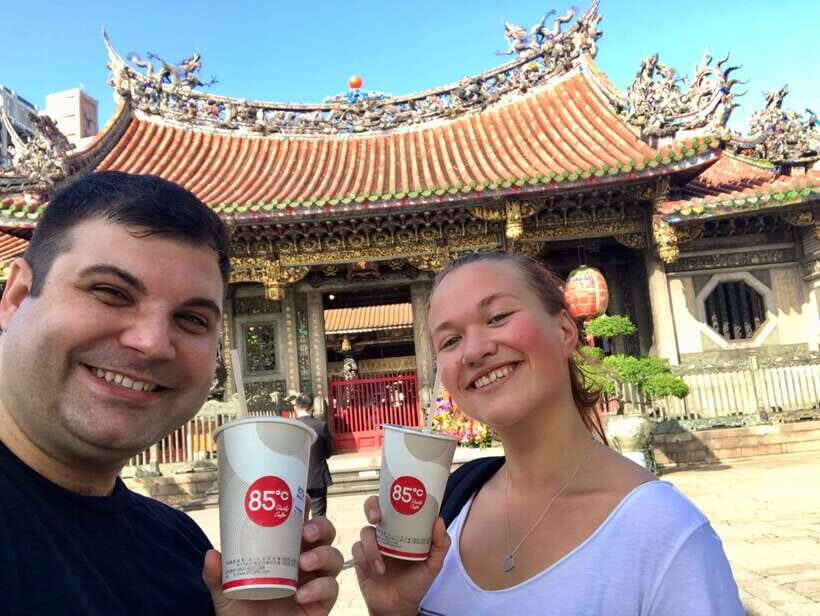
Food is one of the easiest ways to understand a city, but only if you know how to ask the right questions. This tour leans into that by including bubble tea moments and time around a lively night market. Instead of random tasting, your host helps you make sense of what you’re eating and why it’s popular.
The night market segment is usually where the guides’ personalities show up the most. In one great example, Ben gave deep insight into street food, local culture, and history, including a strong lunch recommendation. Another account praised Josh Rice’s fun energy and practical prep, plus how he kept the whole day moving smoothly.
From a value standpoint, food guidance is where a private local guide can outperform a standard “walk around and buy snacks” approach. Your host can help you choose items that match your preferences (spicy or mild, familiar or adventurous), point out what to try first, and explain the flavor logic behind Taiwanese favorites. It also saves you time when the menus feel overwhelming.
One practical consideration: food and drinks aren’t included, and attraction tickets aren’t included either. That’s not a deal-breaker, but it changes how you should budget. Think of the tour as paying for orientation, translation, route selection, and context, while you pay for what you order.




Walking time, transfers, and how long you should book
The experience ranges from 2 to 8 hours, with flexible start times. That flexibility is useful because Taipei’s neighborhoods aren’t always close enough for a straight walk. The tour is walking-first, but public transport or local taxis may be used to transfer between sites, and those transportation costs can be discussed with your host after the reservation is finalized.
So how do you choose the right length? Here’s the simple logic I use:
- Pick 2–3 hours if you want a focused taste of Taipei neighborhoods with minimal backtracking.
- Pick 4–5 hours if you want time for both an atmosphere district (like Dadaocheng or Ximending) and a food stop.
- Pick 6–8 hours if you want more turns, more stops, and a calmer pace that leaves room for “we found something cool” moments.
Because this is a private walking tour, the pacing is supposed to match you. If you tell your host you want more photos, fewer stops, or more indoor breaks, they can adjust. The goal is not to hit everything. The goal is to hit what fits you.
Also note the meeting point can vary depending on your booked option. That’s normal for custom tours, but it’s worth confirming quickly with your host so you don’t lose time.
Price and value: what $59 buys you in Taipei
At $59 per person, the price sits in the zone where you should ask: what am I paying for beyond a normal guide? In this case, you’re paying for two things that standard tours often don’t deliver well:
First, you’re paying for a route designed through a pre-tour questionnaire. That means your day is built around your interests rather than around the most efficient checklist. Second, you’re paying for direct, private communication with a local host who can adapt the plan in real time.
In the strongest guide experiences, this is exactly what you feel: smooth English communication, thoughtful context, and practical problem-solving. One example included an extra umbrella, a powerbank, and even bringing a camera because the guest was into photography. Those are small touches, but they signal a host who is paying attention to your needs.
Now for fairness: the overall rating is 3.7 across 6 reviews, so this isn’t a guaranteed slam dunk every time. One account flagged a guide’s lack of Mandarin and some missed moments due to not having done the tour before. That doesn’t erase the value, but it does suggest you’ll get the best results when you communicate clearly about your priorities and language expectations before you start.
Who should book this custom Taipei walking tour
This tour fits best if you like a day that feels flexible, not rushed. You’ll probably enjoy it if you want a mix of architecture, temples, neighborhoods, and food culture, and you prefer learning from a real person who can answer follow-up questions.
It’s also a good match if you’re the type who wants more than a photo of a landmark. The route examples (Dadaocheng streets, teahouses, temple alleys, Ximending street art, night markets) suggest a traveler who likes atmosphere and context.
If you’re traveling with mobility needs, the tour is listed as wheelchair accessible, but since it’s a walking experience, you should confirm the practical details with your host so the specific route matches your comfort level.
If you hate crowds, want a super-fast itinerary, or dislike transfers, you’ll need to set expectations. This experience can adapt, but it still operates in the real world: sidewalks, weather, and city movement.
Small risks to keep in mind (so you don’t get surprised)
A private custom tour is powerful, but it has tradeoffs. Here are the main ones based on the provided info:
- It’s walking-first. You should expect steps and time on your feet, especially with neighborhood hopping.
- Food and tickets are not included. Budget for what you eat and any attraction entries you decide to add.
- Transportation between areas may cost extra. Public transit or taxis may be used, and the cost gets discussed with your host after booking.
- Guide experience may vary. Most stories highlight excellent English and strong cultural context, but one experience noted Mandarin issues and missed moments tied to familiarity with the tour.
- Language expectations matter. If you need Mandarin for certain stops or deeper local explanations in complex settings, ask your host what they can handle.
Treat these as planning reminders, not deal-breakers. When you line up expectations, the “custom” part tends to pay off.
Should you book this Taipei Private Custom Tour?
I think you should book it if you want a local-led day that’s designed around your interests and you’re happy to walk. The best version of this tour turns Taipei into something you can feel: historic streets with teahouses, temples in side alleys, street art in Ximending, and night-market food with stories that make the flavors click.
You might skip it if you need a fully predictable route with no communication variables, or if you don’t want transfers between zones. If language depth is a top priority for you, ask about your host’s Mandarin comfort during your planning messages.
FAQ
FAQ
How do they personalize the itinerary for me?
After booking, you receive a questionnaire about your interests and personality. Based on your responses, you’re assigned a like-minded local host who communicates with you to suggest a flexible itinerary.
What languages are the tours offered in?
The tour guide can be Chinese or English.
Is this a walking tour only?
Yes. It’s a walking experience and a private vehicle is not included.
Are food, drinks, and attraction tickets included?
No. Food, drinks, and any attraction tickets are not included.
Will I need to pay for transportation during the tour?
You may use public transportation or local taxis to transfer between sites. Exact costs are discussed with your host after your reservation is finalized.
What’s the duration of the tour?
The tour duration ranges from 2 to 8 hours depending on availability and the option you choose.
Is it a private group?
Yes, it’s a private group experience.
Is there free cancellation?
Yes. Free cancellation is offered up to 24 hours in advance for a full refund.