REVIEW · TAIPEI CITY
From Taipei: Taroko Gorge Private Tour
Book on GetYourGuide →Operated by YOLO Taiwan · Bookable on GetYourGuide
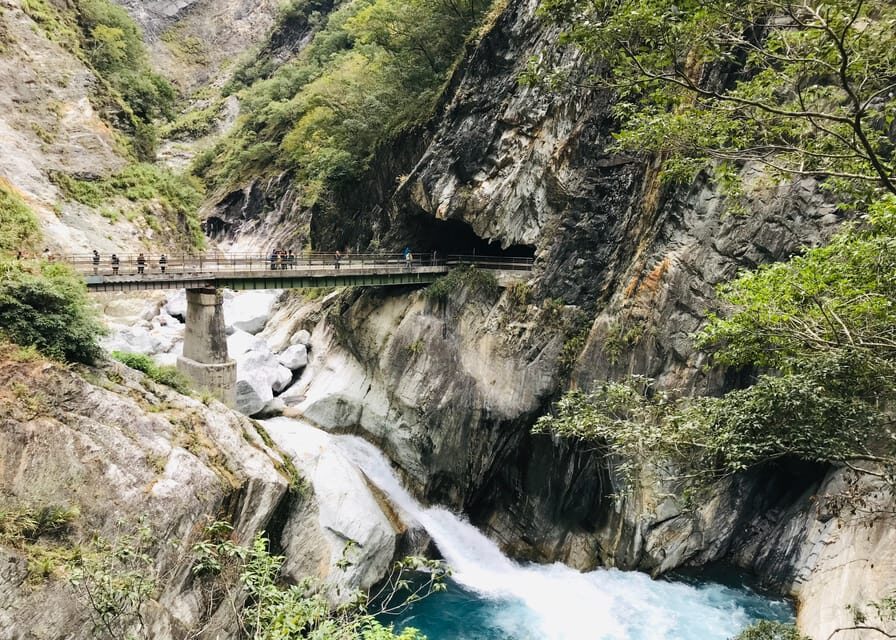
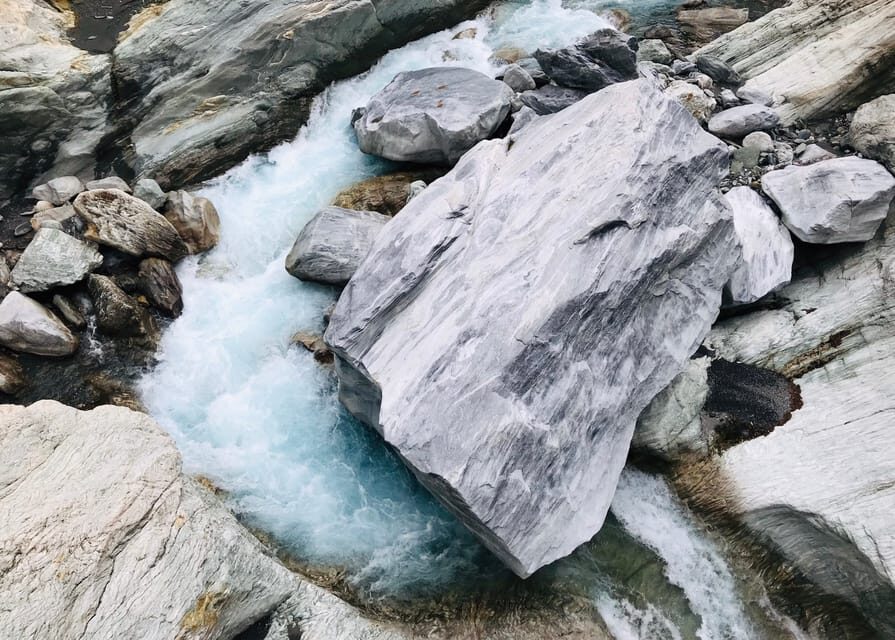
Taroko Gorge changes the way you think about rock. You get private pacing plus an easy drive from Taipei, and you’ll hit the famous stops like the Archway and Cimu Bridge, with a guide who can adjust when parts of the park are closed after the 2024 earthquake. I like that the day mixes viewpoints with cultural stops, and I also like the calm add-ons like Tianxiang’s valley feel and Qixingtan Beach at the end. One thing to plan for: after the 2024 Hualien earthquake, some trails and areas may be closed, so the day can focus more on photo stops from the roads than on long hikes.
What I really enjoy here is the way the day is built around comfort and control. With a private driver-guide (people you might be paired with include Jackson or Steven, and others like Chiao Chiao or Junior), you can linger when a spot grabs you and skip what doesn’t. I also love the combo of engineering-and-memorial sites (like the Eternal Spring Shrine) plus nature moments like occasional Formosan macaques in Tianxiang.
There is one main consideration if you’re expecting a trail-heavy adventure: the gorge has had major damage since the 2024 Hualien earthquake, and trekking routes may be limited. You’ll still see dramatic scenery, but if your dream is long, continuous walking inside the gorge, you may find the access pattern more road-and-viewpoint based.
In This Review
- Key highlights worth knowing upfront
- Why a private Taroko day works so well from Taipei
- The Taipei-to-Taroko drive: plan for the long scenic stretch
- Taroko National Park: Archway and Visitor Center stops that set the tone
- Eternal Spring Shrine: memorial stop with real meaning
- Tianxiang Recreation Area: river terraces and macaque chances
- Cimu Bridge: marble lions, lotus carvings, and the frog-shaped rock
- Xincheng break for Hualien-style bites, then Chi Hsing/Qixingtan Beach
- Price and value: what $190 covers, and what you’ll pay separately
- The guides: conversation turns a scenic drive into a story
- Who this Taroko private tour is for (and who should choose differently)
- Practical tips to make your day smoother
- Should you book this Taroko Gorge Private Tour?
- FAQ
- How long is the Taroko Gorge private tour from Taipei?
- What stops will we visit during the day?
- Is pickup from Taipei City included?
- What’s included in the price?
- Is lunch included?
- Can I swim at Chi Hsing/Qixingtan Beach?
- What languages will the driver-guide speak?
- What happens if parts of Taroko are closed due to the 2024 earthquake?
Key highlights worth knowing upfront
- Private driver-guide means flexible stop times and a real conversation at each site
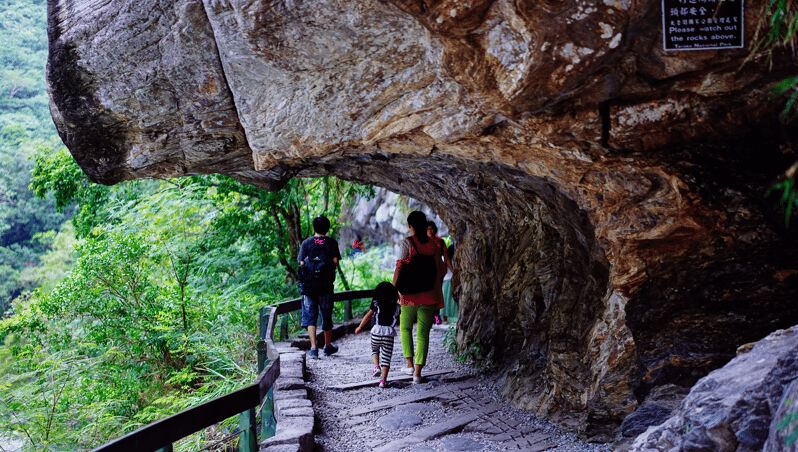
- Taroko Archway + Visitor Center gives you the “why” behind the marble canyon
- Eternal Spring Shrine connects the gorge to the Central Cross-Island Highway story
- Tianxiang Recreation Area adds river-terrace calm and a chance to spot Formosan macaques
- Cimu Bridge details include marble lions, lotus carvings, and the frog-shaped rock with a maternal devotion pavilion
- Qixingtan/Chi Hsing Beach offers ocean-and-mountain views, with no swimming because currents are strong
Why a private Taroko day works so well from Taipei
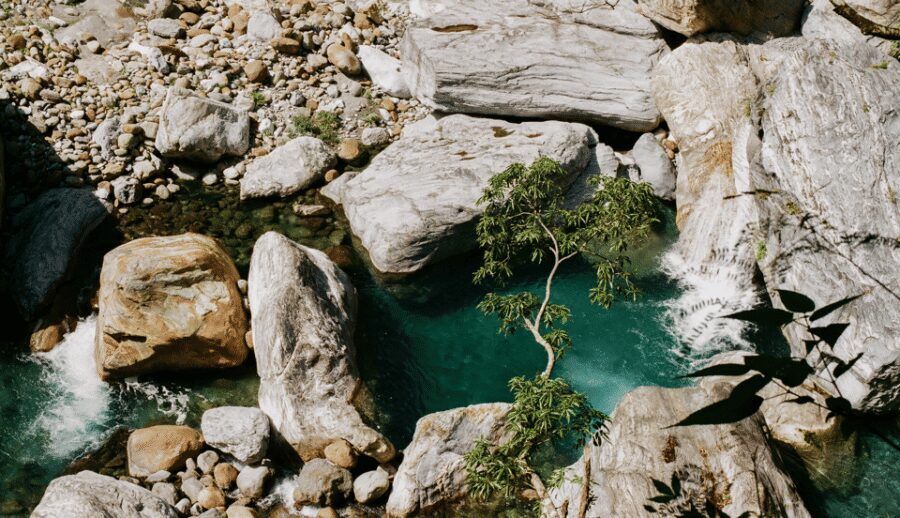
Taroko from Taipei is one of those plans that can feel big even before you arrive. The gorge is dramatic, but the road trip matters too, because you’re not just moving between stops; you’re getting to a part of Taiwan that feels like it runs on its own schedule.
A private tour keeps that stress low. You’re in an air-conditioned vehicle door-to-door from Taipei City, and the pacing is yours to manage with your driver-guide. That matters because Taroko isn’t a place where everyone moves at the same speed. Some people want more photos at the Archway, others need extra time near bridges and temples, and a private format lets you make those calls without holding anyone up.
It also tends to feel more personal in the details. On this kind of tour, your guide isn’t just steering you through a checklist. Driver-guides in this program are known for shaping the day with local insight, and multiple named guides in the program show up in the mix, including Steven, Jackson, and Chiao Chiao. That’s a good sign for anyone who wants more than geography facts.
You can also read our reviews of more private tours in Taipei City


The Taipei-to-Taroko drive: plan for the long scenic stretch
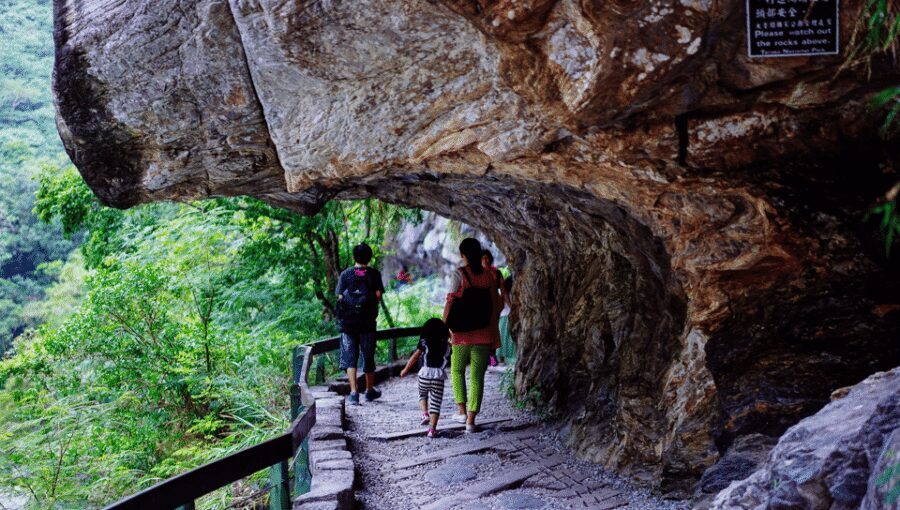
The drive from Taipei to Taroko takes about 2 hours one way, with rest stops about every 60 minutes at places with restrooms and options for coffee or convenience purchases. This is one of those routes where a good pause beats pushing through.
In practice, those rest stops help you stay fresh for the actual visiting time. The day is long (12 hours total), so even small breaks make a difference once you’re standing in bright sun, walking short distances for viewpoints, and waiting for the best light on marble.
Also, the private vehicle choice can matter. You ride in a private compact sedan for 1–2 travelers, a large sedan or SUV for 3, or a van for 4–7. Fewer people means easier conversation, less waiting, and smoother timing at photo stops.
Taroko National Park: Archway and Visitor Center stops that set the tone
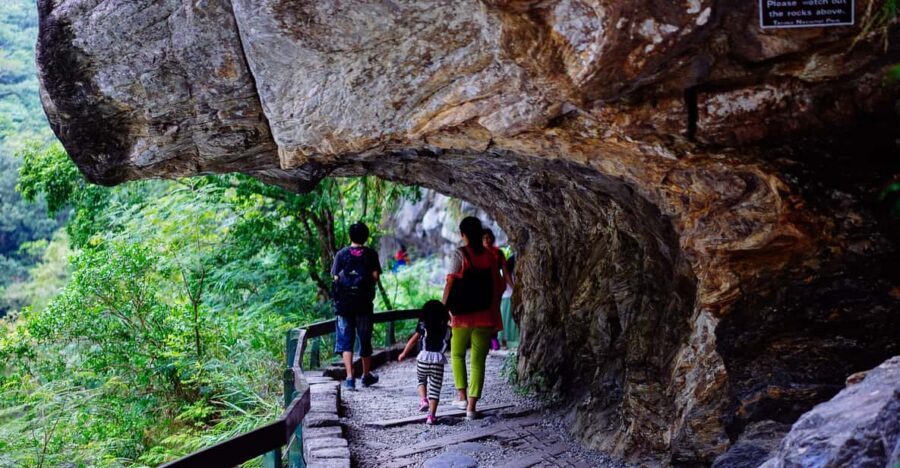
Your day starts with a photo stop and visit right in Taroko National Park, then moves quickly toward the Taroko Archway. This first stretch is short on purpose. It helps you get your bearings fast and start seeing the gorge not as a postcard, but as a place with layers and forces behind it.
The Archway stop is set up for quick viewing and photos, with about 20 minutes allocated. You’ll get the classic entrance views, but the real value is what your guide points out while you’re there: how the gorge is carved and how the area’s geology shapes where roads and lookout points can go.
Then comes the Taroko National Park Visitor Center, with about 30 minutes. This is where the day shifts from scenic to understandable. You’ll learn about the area’s tectonic history and how the gorge evolved over time. It’s also the moment to be realistic about the “current Taroko” picture, since the tour explicitly accounts for recent changes tied to the 2024 Hualien earthquake.
Why this stop matters: once you understand the forces at work, every cut in the marble canyon and every tunnel entrance feels like part of one story instead of random scenery. It turns the day into active sightseeing.
Eternal Spring Shrine: memorial stop with real meaning
Next is the Eternal Spring Shrine, with about 30 minutes. This is the kind of stop that some people skip because it looks like another temple moment. Don’t.
Here, the shrine functions as a memorial to the workers who built the Central Cross-Island Highway. That connection gives the gorge a human layer, not just a natural one. You’re still in the park’s dramatic setting, but now you’re seeing how engineering and hardship shaped access to this region.
I like stops like this because they change how you read the roads you’re driving. After the shrine, even simple turnouts and bridges feel like the result of real effort, not just tourist infrastructure.
Tianxiang Recreation Area: river terraces and macaque chances
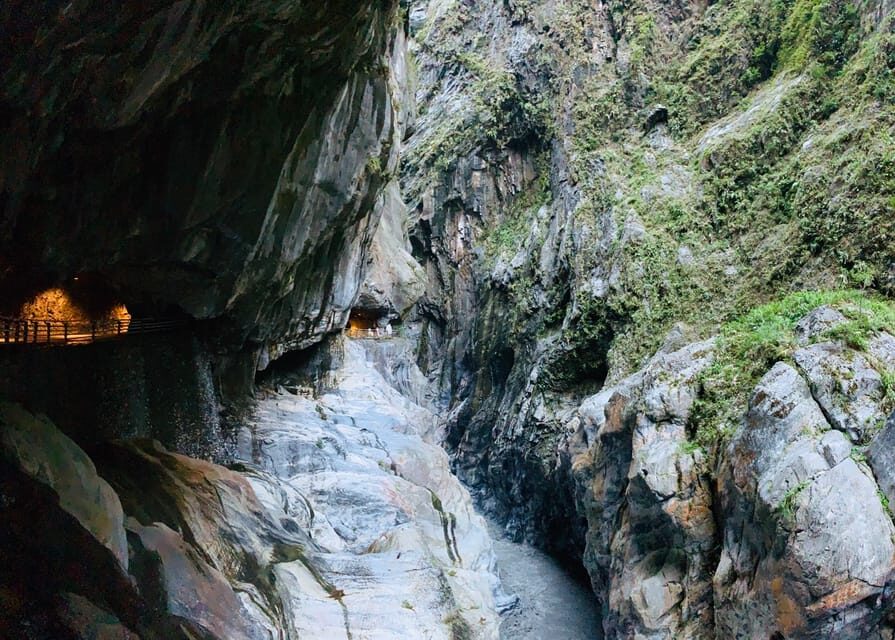
From the shrine, the tour heads to Tianxiang Recreation Area for about 40 minutes. This is one of the best “breathe for a second” segments of the day. You get a valley atmosphere with river terraces and calmer sightlines compared with the tight marble canyon feeling.
A key highlight here is the chance to spot Formosan macaques. You’re not guaranteed wildlife, but Tianxiang is where your guide can help you watch responsibly and from safe distance.
What to expect for pacing: this part of the day usually works well if you want a mix of short walking and standing around for views and photos. It’s also a good place to slow down if you’ve been taking lots of pictures and want time to actually look.
Drawback to keep in mind: it’s nature, so weather and visibility matter. If mist or rain reduces sightlines, spend time on composition from the areas where you have secure footing and use your guide for the best safe angles.


Cimu Bridge: marble lions, lotus carvings, and the frog-shaped rock
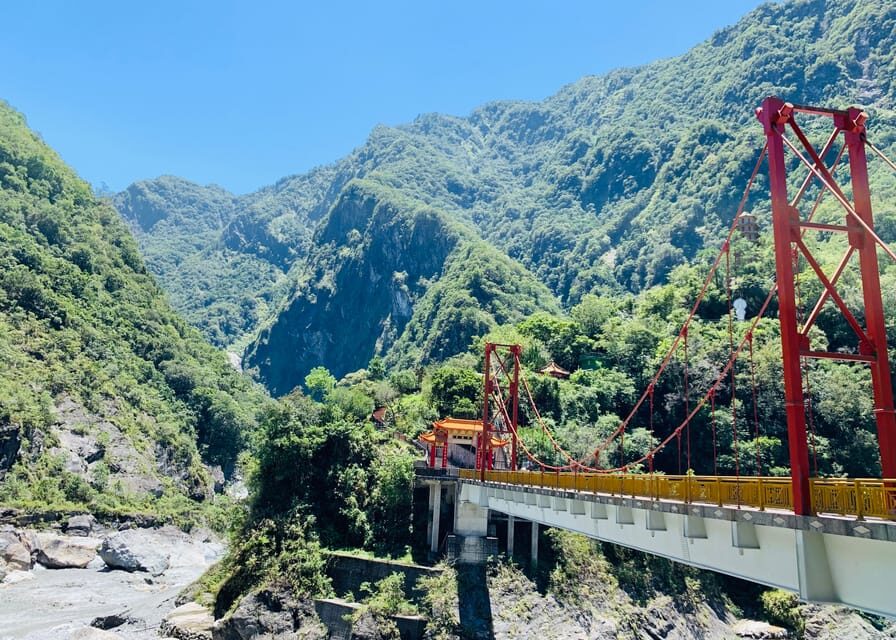
Then you move to Cimu Bridge, with about 30 minutes including photo stop time and visiting. This is a “look closely” stop. At first glance it’s a viewpoint, but the details are the point.
You’ll see marble lions, lotus carvings, and a famous frog-shaped rock. There’s also a pavilion dedicated to maternal devotion, which adds a cultural note to what could otherwise feel like purely decorative stonework.
I like this stop because it gives you something to do beyond staring at canyon walls. You can frame photos around carvings and get a sense of how the site’s myth and craftsmanship connect to the surrounding geology.
One practical consideration: bridges and rock features are great for photos, but it helps to keep your schedule realistic. You’re on a 12-hour loop from Taipei, so don’t plan on getting the perfect shot at every angle. Let your guide point you to the best spots first, then adjust if you want.
Xincheng break for Hualien-style bites, then Chi Hsing/Qixingtan Beach
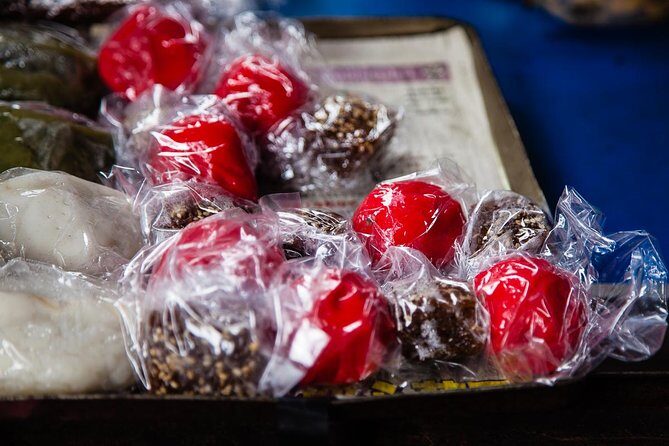
Lunch isn’t provided on this tour, but you do get a break time in Xincheng (about 1 hour) for visiting and free time, with time built in for a local lunch or snack break. Xincheng is known for Hualien-style bites and nostalgic photo spots, which makes it a more interesting break than another roadside stop.
Bring a plan for food. Since food and drinks are not included, you’ll want to decide early whether you’ll eat a full meal or treat it as snacks. If you’re the type who hates hunting down menus mid-tour, this hour is exactly the buffer you need.
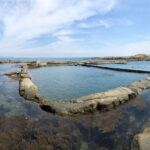
Then you head to the coast for the Chi Hsing Beach stop (also highlighted as Qixingtan Beach). You’ll have about 40 minutes here for a break, photo stop, and visiting.
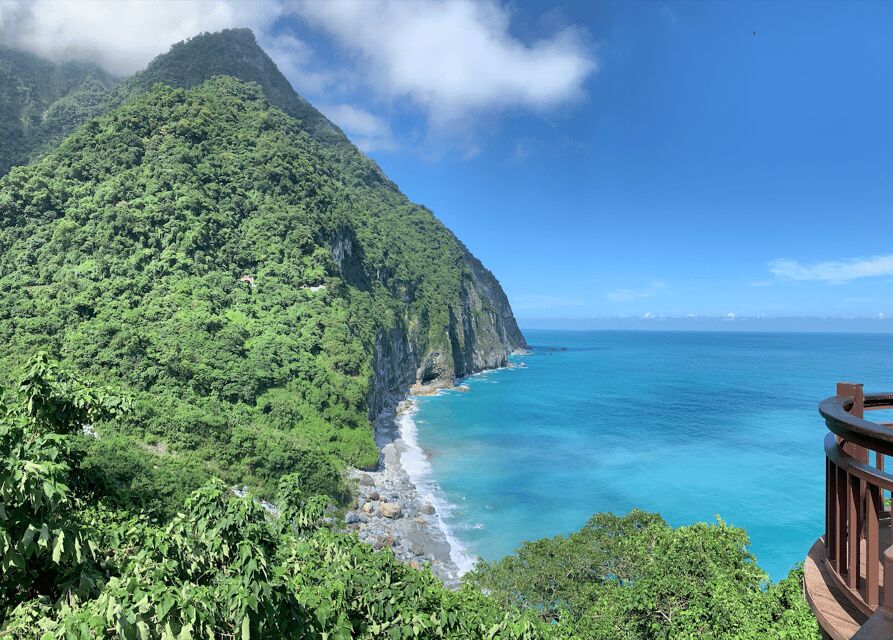
Here’s the main thing: it’s a crescent-shaped pebble beach with ocean and mountain views. It’s excellent for walking along the shoreline, taking photos, and relaxing with waves in the background. Just know that swimming isn’t allowed due to strong currents.
Why I think this end segment is a smart choice: it shifts you from gorge intensity to ocean air. After hours in marble canyons and river terraces, the beach gives you a clean reset for your body and your camera.
Price and value: what $190 covers, and what you’ll pay separately
At $190 per person for a 12-hour private tour, the value comes from what’s included and how much trouble it removes.
Included:
- round-trip transfer between Taipei City and Taroko
- a private, air-conditioned vehicle
- tolls and parking fees
- admissions fees
- a professional driver-guide
- language support in English and Chinese
Not included:
- food and drinks
Where the cost feels fair: you’re not paying just for “transport.” You’re paying for a private vehicle plus guided access to multiple stops across inland gorge areas and a coastal finish. Add in admissions and parking, and it’s the kind of day that can be hard to recreate smoothly on your own unless you have local transport knowledge.
When it might feel pricey: if you’re already planning to hire a driver for the day anyway, you might compare options. But the private format here also gives you flexible timing at each stop, which is often the difference between a stressful day and a pleasant one.
Also, vehicle sizing is thoughtful. If you’re 1–2 people, the compact sedan setup can keep costs aligned with the group size. With 3 people you’re moved into a larger sedan or SUV, and for groups of 4–7, you get a van sized for that group.
The guides: conversation turns a scenic drive into a story
This tour lives or dies by communication and pacing, and the program’s guide reputation shows up strongly in the names people report.
You might be with Steven, Jackson, Chiao Chiao, Junior, Andy, Ted, Caleb, or others. Different personalities, same theme: guides show up prepared, explain what you’re seeing, and help you navigate what’s safe and open after recent earthquake disruptions.
A few practical benefits you’ll feel:
- Your guide can route you to areas that are safe to visit, instead of leaving you guessing.
- You can ask questions on the spot, in English or Chinese depending on the guide.
- Stop times don’t feel like a rushed conveyor belt when you’re in a private group.
Even the rest periods feel more organized when someone is thinking about your comfort and timing. The day includes rest stops during the drive, and your guide can also manage extra breaks during the visiting segments as needed.
Who this Taroko private tour is for (and who should choose differently)
This is a strong match if you want:
- a private day trip with flexible stop time
- iconic Taroko sights like the Archway, Eternal Spring Shrine, Tianxiang, and Cimu Bridge
- cultural context alongside nature
- a coast finish at Qixingtan/Chi Hsing Beach
- a guide who can adjust for what’s open after the 2024 earthquake
It may not fit as well if your dream is:
- a trail-heavy day with lots of uninterrupted trekking inside the gorge
- a strict budget where you only want the cheapest possible transportation
Because the tour is built around safe access and scheduled viewpoints, you’ll still get the gorge’s punch, but you may not get the kind of hike route you were imagining before earthquake impacts.
Practical tips to make your day smoother
- Plan for a long day: it’s 12 hours, and Taroko is about 2 hours from Taipei each way.
- Wear shoes you can trust for uneven stone and short walks at viewpoints and bridges.
- Bring a layer: coastal air at Chi Hsing/Qixingtan can feel different from the gorge, and weather can shift.
- Since food and drinks aren’t included, decide what you’ll do in Xincheng ahead of time: a full lunch or snack-style break.
- Expect some closed areas and let your guide handle the safe route. This isn’t the day for stubborn checklist thinking.
One more small but useful note: pickup in Taipei is set up with a sign that says Yolo Taiwan with your name. So you’ll want to be ready in the hotel lobby or at the front of your accommodation when your guide arrives.
Should you book this Taroko Gorge Private Tour?
If you want a full-day Taroko experience that feels organized, personal, and flexible, I’d book it. The tour covers the big names—Taroko Archway, Visitor Center, Eternal Spring Shrine, Tianxiang, Cimu Bridge, and the Chi Hsing/Qixingtan beach finish—without making you fight traffic or translate logistics alone.
I’d especially recommend it if you value a guide who can explain the geology and culture while also adjusting to real-world conditions after earthquake impacts. If your priority is comfort, photography, and a coherent day plan, this private format is the right tool.
If you’re expecting heavy hiking through the gorge itself, go in knowing access can be limited. In that case, you might still love the views, but it helps to treat this as a best-of Taroko road-and-viewpoint day rather than a trail marathon.
FAQ
How long is the Taroko Gorge private tour from Taipei?
The tour lasts 12 hours total.
What stops will we visit during the day?
You’ll visit Taroko National Park, the Taroko Archway, the Visitor Center, Eternal Spring Shrine, Tianxiang Recreation Area, Cimu Bridge, a break in Xincheng, and Chi Hsing Beach (Qixingtan).
Is pickup from Taipei City included?
Yes. Round-trip transfer includes pickup from your accommodations in Taipei City.
What’s included in the price?
The price includes round-trip transport, private air-conditioned vehicle, tolls and parking fees, admissions fees, and a professional driver-guide.
Is lunch included?
No. Food and drinks are not included. You’ll have a break time in Xincheng to buy or eat lunch/snacks.
Can I swim at Chi Hsing/Qixingtan Beach?
No swimming is allowed due to strong currents, but you can stroll and take photos.
What languages will the driver-guide speak?
Driver-guides speak English and Chinese.
What happens if parts of Taroko are closed due to the 2024 earthquake?
The tour is designed around safe access in light of changes after the 2024 Hualien earthquake, so your guide will take you to areas that are accessible.