Taipei clicks into focus fast. This private tour blends major landmarks with everyday streets, so you see Taipei history and local food culture in just 3.5 hours. You’ll move between polished memorial grounds and real neighborhood scenes that most first-timers miss.
Two things I like a lot: the private guide format, which makes it easy to ask questions and adjust the pace, and the way the stops connect politics, religion, and daily life without turning into a checklist. You also get an included bubble tea tasting, which is the kind of small detail that actually helps you understand the city.
One drawback to keep in mind: the tour is short, so you’ll spend less time at each place than a dedicated museum day. Also, there’s no hotel pickup, so you’ll want to be comfortable starting at the Taipei transit hub near Chiang Kai-shek Memorial Hall.
In This Review
- Key Highlights and Quick Takeaways
- Why This Private Taipei Tour Works So Well
- Getting Your Bearings at Chiang Kai-shek Memorial Hall
- Bridal Street on Aiguo East Road: Reflexology Meets Local Culture
- Nanmen Market: Dried Fruits, Meats, and the Smell of Everyday Taipei
- Bao’an Temple: Fast MRT Access, Real Spiritual Atmosphere
- Datong District Streets and a Bubble Tea Stop That Feels Local
- Lin An Tai Historical House: Gardens, 200 Years, and a Break from Traffic
- Taipei Fine Arts Museum: Architecture Plus Aboriginal Culture Learning
- Maji Square to End: Food Trucks and the City’s Modern Side
- Guides, English, and Why the Stories Matter
- Price and Value: What $101.48 Buys You
- How to Prepare So the Tour Feels Smooth
- Should You Book This Private Best-Of Taipei Tour?
- FAQ
- FAQ
- How long is the tour?
- Is this a private tour?
- What’s included in the price?
- Where do I meet the guide?
- Does the tour include hotel pickup or drop-off?
- What kind of activity level should I plan for?
- Can I cancel and get a full refund?
Key Highlights and Quick Takeaways
- Private guide, real flexibility: Your route can be tuned in advance or on the day, so you’re not stuck with a rigid script.
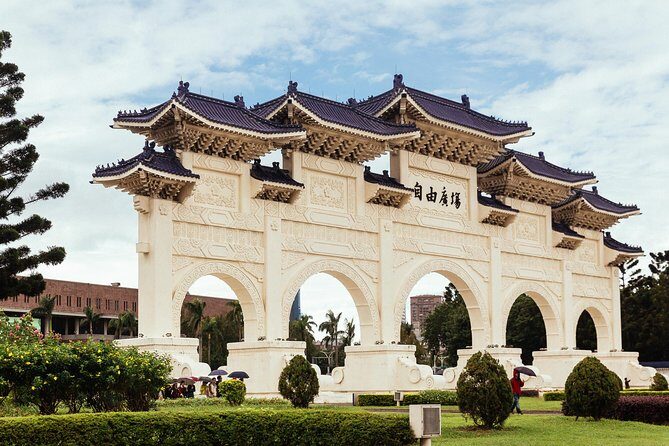
- Chiang Kai-shek Memorial Hall with context: You’ll get the big-picture story that makes the site make sense fast.
- Aiguo East Road and the reflexology health path: A fun, local-feeling detour that’s not on most tourist routes.
- Nanmen Market for dried goods and heritage snacks: A good place to spot how Taipei stores, sells, and celebrates food.
- Bao’an Temple stop via MRT: Efficient transit plus meaningful religious atmosphere in a compact visit.
- Maji Square as the modern finish: Food trucks and small shops help you end on a lighter, contemporary note.
Why This Private Taipei Tour Works So Well
Taipei is big, and it’s easy to waste time zigzagging between sights that don’t connect. This tour is built to solve that. You get a tight loop of major landmarks plus neighborhood texture, with a local guide steering the order and the explanations.
The private format matters more than people expect. I love that you’re not trying to hear through a crowd or sprint between photo spots. If you want more detail at Chiang Kai-shek Memorial Hall or you’d rather skim faster through a market lane, your guide can usually adjust the rhythm.
You’ll also appreciate the “short but not shallow” design. Each stop is long enough to look around and absorb the vibe, but not so long that you lose the energy you need for the rest of the day.
You can also read our reviews of more private tours in Taipei
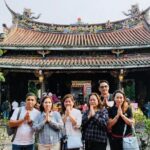


Getting Your Bearings at Chiang Kai-shek Memorial Hall
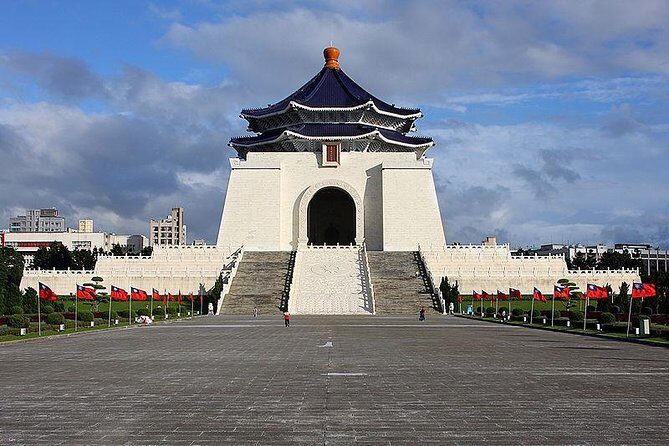
Your tour starts at Chiang Kai-shek Memorial Hall Station, which is a smart choice. It puts you right where the landmark cluster and transit options meet, so you can begin without stress.
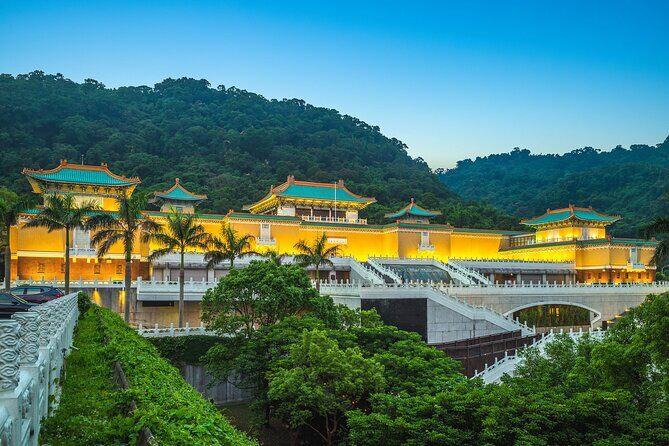
The memorial hall itself is free entry, and that’s a big win for first-timers. But the real value is what you learn while you’re there—especially about Taiwan’s political story and how it shapes public spaces. Even if you’ve only heard headlines before, you’ll walk away with a clearer timeline in plain language.
Look around beyond the main views. Your guide can point out what locals notice, not just what camera angles love. One guide name that keeps coming up is Garen, often praised for making the history feel human and understandable rather than like a lecture.
What to watch for: the site can be busy at peak hours. If you’re sensitive to crowds, choose an earlier departure time when you can.
Bridal Street on Aiguo East Road: Reflexology Meets Local Culture
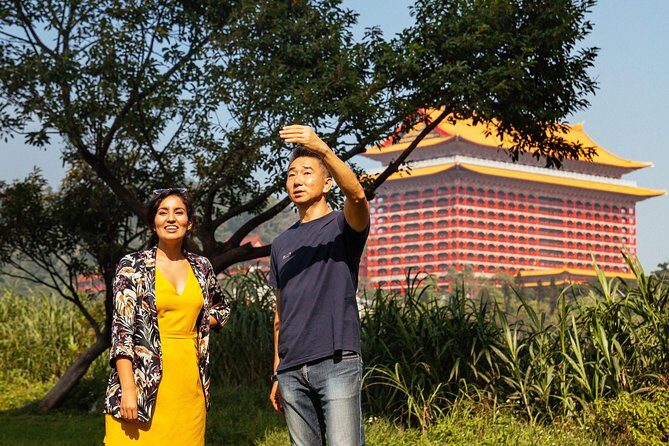
Next you head to Aiguo East Road, also known as Bridal Street. That nickname alone gets people curious, but the tour focuses on something more interesting: a traditional reflexology idea paired with a playful, local health path.
This is one of those stops that feels different from the usual “look at the building, take the photo, move on” loop. You’ll walk through the street and learn the tradition behind it, then you can try the reflexology-style route your guide points out.
I like this stop because it’s low stakes. You don’t need to know anything in advance. You just follow your guide, try the experience, and learn the cultural background as you go.
Possible drawback: it’s not a long museum-style visit. If you were hoping for a quiet, deep dive into one topic, this part is more of a fun cultural detour.
Nanmen Market: Dried Fruits, Meats, and the Smell of Everyday Taipei
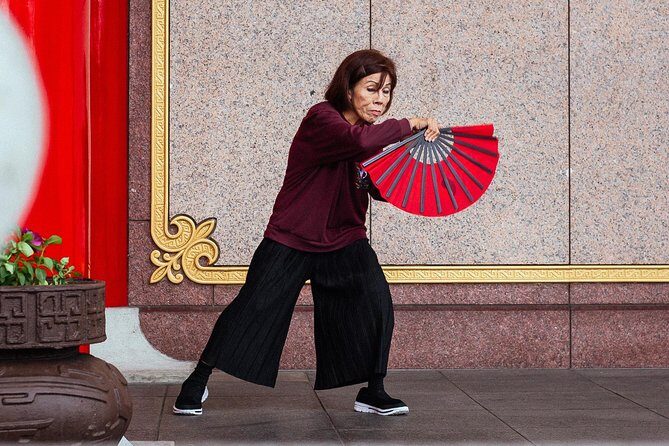
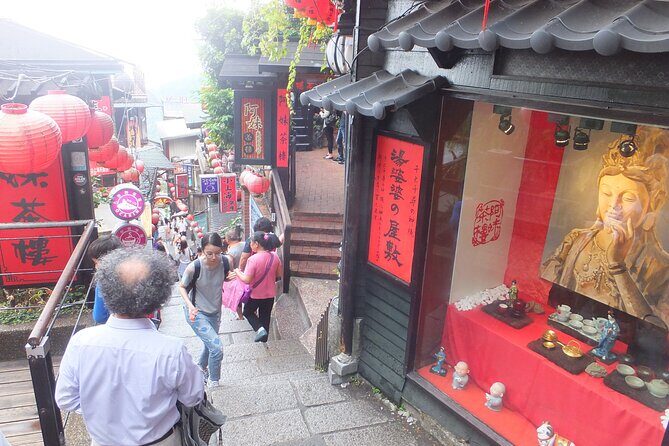
Nanmen Market is a classic Taipei scene: compact lanes, local shopping habits, and a sensory wall of smells that tells you what people really buy and cook with. The tour time here is short, but it’s long enough to understand the market’s personality.
You’ll spend time browsing dried fruits and meats—exactly the kind of goods that reveal how food culture works year-round. Markets like this are less about novelty and more about continuity. They show how Taipei people plan meals, stock up, and keep traditions alive.
This is also a useful lesson in reading a market through a local lens. A private guide can explain what you’re seeing, what’s worth noticing, and what’s just background noise. Many guides are praised for strong English and clear storytelling, like Daphne and Jessica, which makes this stop feel approachable even if you don’t read Chinese.
What to watch for: markets can be crowded and warm, depending on the day. Wear comfortable shoes and plan for a bit of elbow room.
Bao’an Temple: Fast MRT Access, Real Spiritual Atmosphere
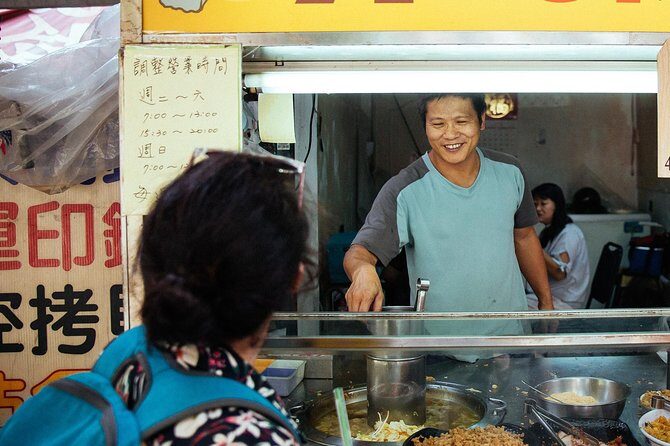
One clever thing about this tour is how it uses the MRT to move smartly instead of backtracking. You’ll head to Bao’an Temple after the market, which keeps the pacing efficient.
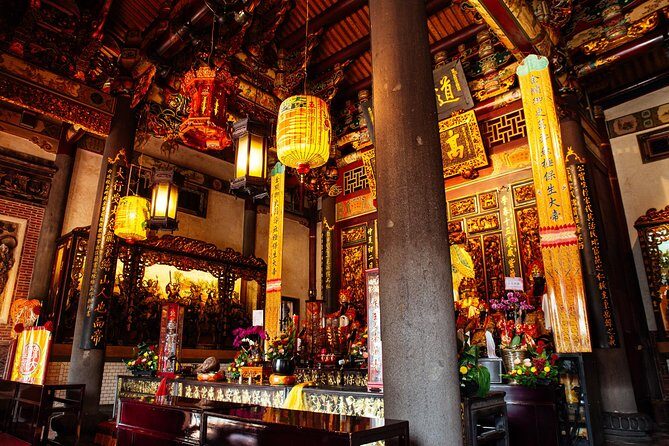
Bao’an Temple is free to enter, and your guide helps you connect what you see with stories and local religious customs. Temples aren’t just pretty architecture here. They’re places where people make offerings, follow rituals, and keep cultural memory in daily practice.
This stop also helps you balance the tour. After history and markets, the temple offers a slower mental reset. Even if you’re not religious, you’ll likely appreciate how much meaning locals place in the details.
Possible drawback: the walk and standing time can add up if you’re also dealing with heat. If you’re traveling in summer, I’d plan lighter clothing and carry water.



Datong District Streets and a Bubble Tea Stop That Feels Local
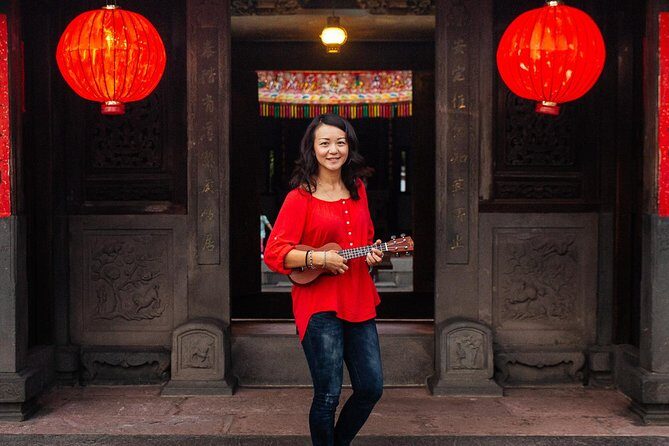
After the temple, you head into the Datong area around a household registration office site. This part of the tour is about everyday Taipei—small shops, street rhythms, and a very specific local treat.
The tour includes time for bubble tea at a shop known for having operated for decades. That’s the kind of detail I love on a first visit: it makes bubble tea feel less like a trend and more like a local habit.
What makes this stop valuable is context. Your guide isn’t just pointing you to a drink. They’re showing you where local people go and how a city’s signature snack becomes part of the neighborhood identity.
What to watch for: bubble tea is included, but extra snacks or upgrades are not. If you’re tempted to add toppings, set a small budget so the included tasting stays the anchor.
Lin An Tai Historical House: Gardens, 200 Years, and a Break from Traffic
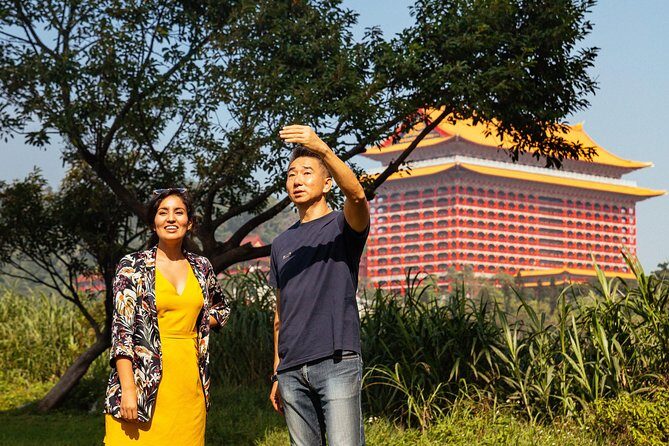
Then you shift to Lin An Tai Historical House & Museum. The big draw here is time depth: this is a place with around 200 years of history in its gardens. Even in a fast tour, it gives your brain a chance to slow down.
The setting helps. You’re not just looking at a building—you’re moving through a calmer landscape shaped by older Taipei life. This stop also offers choice for getting there: you can take a cab or bike depending on what fits your comfort level and the day’s flow.
In my view, this is a smart inclusion because it breaks the pattern of crowds and street noise. It also gives you an emotional contrast to the memorial and markets earlier in the tour.
Possible drawback: it’s still a short visit. If you’re the type who likes reading every plaque, you might wish you had a longer time slot here.
Taipei Fine Arts Museum: Architecture Plus Aboriginal Culture Learning
Next comes the Taipei Fine Arts Museum. This stop works on two levels: you’ll get to see the museum’s architecture, and you’ll also learn about Taiwanese aboriginal culture in a way that ties into the museum setting.
The tour also checks what’s on during your visit. That’s a practical advantage—museums feel alive when there’s a current exhibition, even if you only see a small portion.
What I like here is the broader cultural mix. A Taipei “best of” day can become too political, too food-focused, or too photo-heavy. This museum stop gives you another lens, and it helps the overall tour feel balanced.
What to watch for: museum spaces can be quieter, but that means you’ll feel every minute you spend there. If you want a more active day, this still works, but keep your energy up before you arrive.
Maji Square to End: Food Trucks and the City’s Modern Side
The tour finishes at MAJI Square, which is a good choice because it changes your mood without dropping the momentum. Instead of ending on another “must-see” monument, you end where you can snack, browse, and decide what to do next.
Time here is for trying something from the food trucks or shopping at an organic shop. It’s a fun way to test what your taste buds like after all the history and market browsing.
I also like that it’s a natural transition. After the tour, you’ll have a better sense of where you might want to return for a second day—whether that means more street food, a coffee stop, or just wandering nearby.
Possible drawback: if you’re full from bubble tea and market snacks, you may not feel ready to eat more. Use this time to browse and plan, not to force a big meal.
Guides, English, and Why the Stories Matter
This tour’s success depends heavily on the guide, and that shows in the feedback. Names that come up often include Garen, Daphne, Jessica, Eva, and Tai-Yun. The common thread is clear English and a storytelling style that connects locations to Taiwan’s past and present.
I especially like the way guides handle context. The Chiang Kai-shek Memorial Hall section can be confusing if you only know headlines. Here, you get the story in plain terms, plus details you might not catch from signage alone.
You’ll also likely get practical help. Some guides are praised for making photo-taking easy for solo travelers. That matters more than it sounds; your phone photos will actually look like a real day, not just random angles.
Price and Value: What $101.48 Buys You
At about $101.48 per person for roughly 3.5 hours, this is one of those purchases that either feels expensive or perfectly fair—depending on what you want from the day.
Here’s what you’re really paying for:
- A private guide (not a shared group experience)
- Transportation during the tour
- One included local drink/tasting
- Admission listed as free for the stops you visit
If you tried to replicate this on your own, you’d spend time figuring out routes, reading history without context, and hunting down where the “local” versions of these sights are. Paying for a guide isn’t about laziness. It’s about buying back your limited vacation time.
This is also a good price point for couples. Two people on a private tour can still feel efficient, especially in a sprawling city like Taipei.
How to Prepare So the Tour Feels Smooth
To get the most out of a tight 3.5-hour loop, you’ll want a few basics right:
- Wear comfortable shoes. You’ll be walking between stops and standing in places like temples.
- Bring water. Even with shade, you can feel heat and crowd energy in central Taipei.
- Plan for a fast pace. This tour is about seeing, not lingering all day.
- If you have specific interests—history, food, temples, or culture—tell your guide early. The tour allows tailoring.
You don’t need to pack anything fancy. Think practical. This is a day to move, learn, and snack.
Should You Book This Private Best-Of Taipei Tour?
Book this tour if you want a strong first taste of Taipei and you like your sightseeing with context. It’s ideal for a short stay, for first-timers, or for anyone who doesn’t want to gamble on what’s “worth it” after a long travel day.
Skip it (or consider a slower option) if you hate moving on quickly or you want hours inside one museum. This tour gives you a tour of Taipei’s main ideas in a compact format. It’s not trying to replace a full-day exploration.
If your goal is to get oriented fast, try a local bubble tea moment, and get real stories behind major landmarks and neighborhood markets, I’d call this a smart buy.
FAQ
FAQ
How long is the tour?
It runs for about 3 hours 30 minutes.
Is this a private tour?
Yes. It’s private, with only you and your local guide.
What’s included in the price?
You get a private guide, 1 local drink/tasting, and transportation. Admission is listed as free for the stops included.
Where do I meet the guide?
You meet at Chiang Kai-shek Memorial Hall Station (Zhongshan) in Taipei’s Zhongzheng District.
Does the tour include hotel pickup or drop-off?
No. Hotel pickup and drop-off are not included.
What kind of activity level should I plan for?
The tour calls for a moderate physical fitness level, since you’ll be walking and moving between stops.
Can I cancel and get a full refund?
Yes. You can cancel up to 24 hours in advance for a full refund.