REVIEW · TAIPEI
Private 2-Day Sun Moon Lake, Puli and Lukang Tour
Book on Viator →Operated by Edison Travel Service · Bookable on Viator
Sun Moon Lake looks like a postcard, then you start hearing the stories behind it. This two-day coach tour links lake scenery with temple culture, and adds the historic port town of Lukang so you get more than one kind of Taiwan. You’ll ride in an air-conditioned vehicle with a professional guide, plus pickup and drop-off from your hotel.
I love the way the day is paced. You get real scenic time around Sun Moon Lake and a focused run of landmarks like Wenwu Temple, Tse-En/Ci’en Pagoda, and Holy Monk-style sites, without feeling like you’re sprinting nonstop. I also like the temple-heavy approach in Lukang, where each stop connects to sea, faith, and local identity.
One drawback to plan for: the drives are part of the deal, and the schedule can feel tight if you’re hoping for extra time on the water (like a long boat ride) or more time with the aboriginal/Tehua village community.
In This Review
- Key things to know before you go
- Sun Moon Lake from Taipei: why the drive is worth it
- Day 1: from Yidashao/Tehua to Xuanzhuang Temple and Ci’en Pagoda
- Wenwu Temple and the mountain-shoulder views you’ll remember
- Pacing on the bus: what the guide adds (and how it changes your day)
- Overnight near Sun Moon Lake: the real value of sleeping there
- Day 2 in Lukang: temples, old streets, and the feeling of a port town
- Tianhou Temple at Lukang: sea-goddess faith in a compact stop
- What’s included, what’s not, and how that affects your day
- Value check: is $565 per person a fair deal?
- Potential surprises: extra stops and how to handle them
- Who this tour fits best
- Should you book this Sun Moon Lake, Puli and Lukang tour?
- FAQ
- FAQ
- How long is the tour?
- Is hotel pickup and drop-off included?
- What is included in the price?
- What meals are not included?
- Do I need to pay admission fees for the stops?
- Is the tour private?
- Is there a lot of walking?
- What stops will I see on Day 1?
- What stops will I see on Day 2?
- Is lunch time guaranteed during the day?
Key things to know before you go
- Overnight near the lake: staying overnight is what turns this from a quick photo stop into a real experience
- Temple route with expert commentary: you’ll hear the meaning behind stops, not just where to stand for pictures
- Lukang’s old streets and major temples: Longshan and Tianhou Temple-style landmarks shape the second day
- Small-group feel is possible: at least one booking has been just two people, which can make the ride feel calmer
- Meal planning matters: lunch and dinner are not included, so you’ll want cash ready
- Time-on-water is the trade-off: you’ll see a lot, but you may have to choose how much water time you add yourself
Sun Moon Lake from Taipei: why the drive is worth it
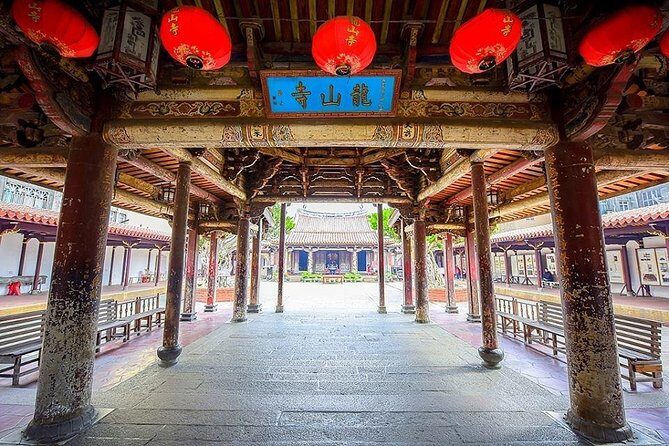
Taipei is lively and urban. Sun Moon Lake is the reset button. By the time the road turns scenic and the lake starts appearing through the bus windows, the whole trip shifts from city pace to slow scenery.
This tour also works well because it’s not trying to do everything in one long day. You’ll spend most of Day 1 on and around the lake, then shift to Lukang on Day 2, so the trip feels like two chapters instead of one rushed checklist.
One more practical point: because this is a coach tour, you’re not driving yourself, and that matters on Taiwan road networks. You can sit back, watch the scenery change, and keep your attention on the guide’s stops instead of navigation.
You can also read our reviews of more private tours in Taipei


Day 1: from Yidashao/Tehua to Xuanzhuang Temple and Ci’en Pagoda
Day 1 starts with pickup from your hotel lobby and heads toward Sun Moon Lake National Scenic Area. Expect a smooth, air-conditioned ride and a steady flow of stops, mostly short enough that you can still enjoy the views and not just collect photos.
Your first notable stop is Yidashao Pier (often tied to Tehua village and the Ito community). This is a practical base area around the lake, with shops, restaurants, and hotels, so it’s easy to grab a snack or plan how you want to spend free time if you have it. Even if you’re not there for a deep cultural session, you’ll feel the village atmosphere rather than only seeing temples from a distance.
Next comes Xuanzhuang Temple. The story here centers on Monk Xuanzang, a famous Tang dynasty figure whose remains were moved here after the temple was rebuilt. It’s the kind of stop that gives meaning to the architecture—so when you see incense, bells, and carvings later on, you’ll know what the guide is pointing out.
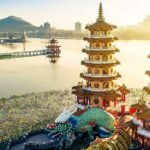
Then you reach Ci’en Pagoda (also described as Tse-En/Ci’en). This tower is a standout landmark, and it’s easy to see why it’s become a focal point for many lake visits. The design and the setting make it a great moment for photos, and the height gives you a sense of orientation around the lake.
If you like a mix of scenic and spiritual, Day 1 hits a good rhythm. The stops are close enough that you’re not stuck traveling forever between them, but spaced enough that the day feels like sightseeing, not a single long transfer.
Wenwu Temple and the mountain-shoulder views you’ll remember
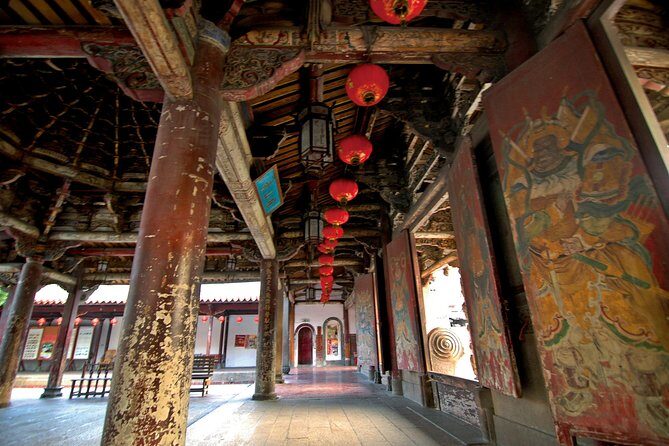
After Ci’en Pagoda, the itinerary continues to Wenwu Temple. This temple sits on a mountain shoulder on the north side of Sun Moon Lake, which is part of why it feels special. You’re not just touring buildings; you’re touring viewpoints.
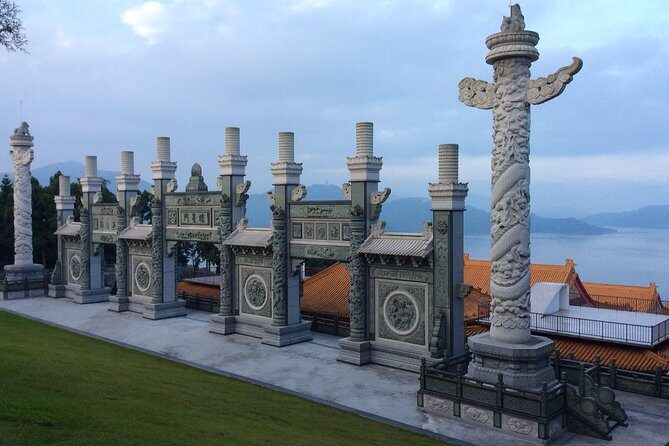
Wenwu Temple is described as a combination of two temples (often called Longfeng Temple and Ihuatang) and it was rebuilt after earlier structures. What you’ll enjoy most is how it connects landscape to faith. In places like this, the scenery isn’t background—it’s part of what the site is for.
From there, you’ll also make a stop at Xiangshan Visitor Center. The building design is a feature on its own, with wood-patterned exteriors and wing-like extensions meant to “embrace the earth.” It’s not a long stop, but it gives you something to look at that isn’t a shrine or tower.
Day 1 is also where you’ll feel the trade-off between “seeing a lot” and “linger time.” Some guests wish the tour had more lake time for activities like boat rides. If that matters to you, you’ll want to plan how to add water time around the free pockets and the overnight night.
Pacing on the bus: what the guide adds (and how it changes your day)
This tour is built around guide commentary while you ride. That means you’re not just following a route—you’re building a mental map of what each location represents.
Guides on this itinerary have been praised for clear English and for packing in a lot of context without turning the day into a lecture. Names mentioned with strong impressions include Tony, David, James, Jack, Michael, and Felix (Lao). In practice, what that looks like is: you’ll ask a question about a temple, an origin story, or a cultural symbol, and you’ll get a straight answer you can actually use for your photos.
You should also know the “small-group” effect can happen. One guest noted the tour felt like a big bus day, but it was just two people, which made it feel more personal. If your group ends up small, the guide can adjust pacing and answer questions faster.
The bus day can still feel long in the middle, especially if you’re the kind of traveler who likes to stay outside for long stretches. If you’re prone to getting restless in vehicles, bring a light layer and something small to keep comfortable.
Overnight near Sun Moon Lake: the real value of sleeping there
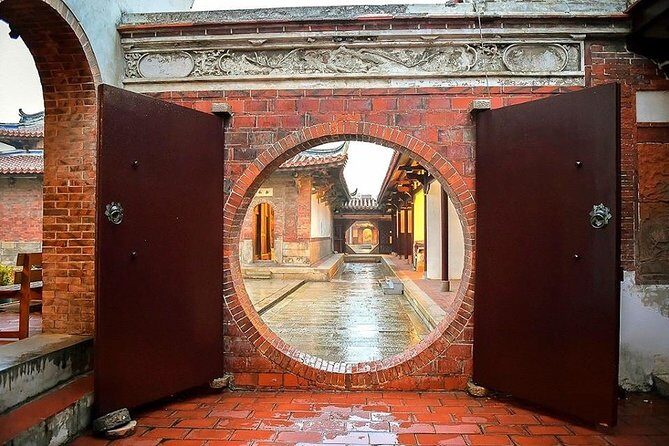
This is where the itinerary earns its keep. You’re not just touring Sun Moon Lake and sprinting out; you get 1-night accommodation near the lake with breakfast included.
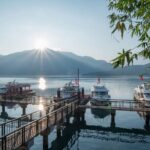
Staying overnight changes your trip in two ways. First, you’re not trapped by the schedule in the same way on a tight one-day tour. Second, you can time your own “slow moments” around sunrise or evening light, which is when Sun Moon Lake feels most magical.
One guest highlighted Hotel Del Largo as a standout, calling out the hotel and breakfast experience. Even if you don’t book that exact place, expect a standard Taiwanese hotel setup (twin beds or double bed). The itinerary is explicit that breakfast is included, which helps you avoid hunting for an early meal before you start walking.
A small but smart suggestion: if your hotel offers a sunrise walk, ask whether it runs in English or if you can join a group language style you understand. One guest said the sunrise was the highlight, so you may want to prioritize that moment while you still have energy.
A few more Taipei tours and experiences worth a look

Day 2 in Lukang: temples, old streets, and the feeling of a port town
Day 2 begins after breakfast and heads to Lukang, described as a historic old town famed for well-preserved cultural and historical heritage. Lukang’s name meaning deer harbor hints at how the town functioned in earlier centuries, and the vibe matches: it feels like a place shaped by trade and daily life, not just tourism.
Your first Lukang stop is Longshan Temple (often listed as Lugang Longshan Temple). It started as a small temple and was later remodeled by local residents into a larger structure. The orientation and design details are part of what you’ll notice with the guide’s explanations, especially if you’ve been paying attention to how symbolism connects to architecture in Day 1.
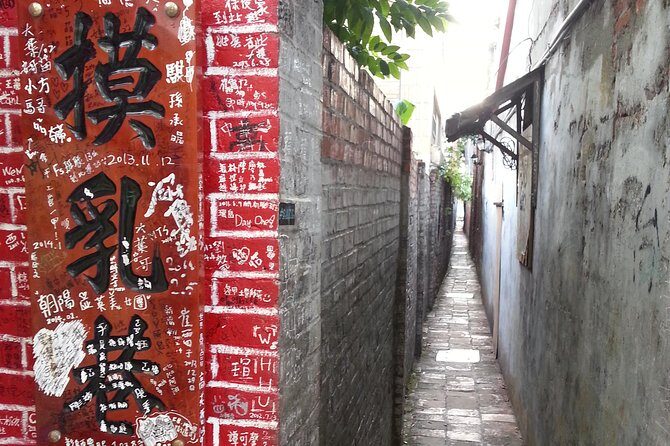
Then comes Lugang Old Street, which covers Yaolin Street and Putou Street. The time here is about an hour, which is enough to walk, pause, and snack without feeling trapped in a museum-style stop. Old street architecture is the big draw, and it’s described as preserving architecture stemming from as early as the Qing Dynasty.
If you like food while you travel, this is one of the best moments to build your own mini itinerary. Since lunch isn’t included, you can use the old street window to eat where locals and vendors naturally gather.
Tianhou Temple at Lukang: sea-goddess faith in a compact stop
Next is Tianhou Temple, one of the three major historic sites in Lukang. The story centers on the Goddess of the Sea, tied to General Shi Lang and the establishment of early temple worship in Taiwan.
Tianhou Temple fits the overall theme of the trip: you’re watching how communities explained the world around them. In a port town, sea protection and safe travel are practical concerns, and the temple reflects that in stone, incense, and ritual space.
This stop also works as a “reset” after walking the old street. You get a calmer, slower moment to take in the carvings and arrangement of the grounds.
A good tip for Day 2: wear comfortable shoes. There’s some walking built into Old Street and temple area movement. One itinerary note says walking is minor, but in practice you’ll still want good grip shoes if you hit slick pavement after rain.
What’s included, what’s not, and how that affects your day
The tour includes breakfast, professional guide, air-conditioned vehicle, admission fees for the itinerary stops, and insurance. Hotel pickup and drop-off are included too, which removes a headache you might otherwise have to manage on your own.
What’s not included is lunch and dinner. That means you’ll want to budget for meals separately and plan for snacks between stops. One very practical note: the tour suggests carrying enough cash, since convenience stores and many eateries don’t accept credit cards.
That cash point matters more than it sounds. If you show up hungry on Old Street with only card in your pocket, you’ll waste time figuring out payment. Carry a little Taiwan cash in small bills and you’ll move faster.
If you’re the type who likes guided convenience, this setup is still good. The tour does the heavy lifting of driving and route design, and you handle the flexible parts: where you eat and whether you add extra lake time.
Value check: is $565 per person a fair deal?
At $565 per person, this isn’t a budget tour. The value comes from what you get without coordinating it yourself: two days of guided sightseeing from Taipei, round-trip transport, an overnight stay near the lake, and entrance tickets for the planned stops.
For many travelers, the biggest cost on trips like this is the hidden part: getting from Taipei to the lake, lining up a guide, and paying for an overnight near the scenic area. Once you include those, the price starts to make sense, especially since you’re not just booking “a ride,” you’re booking a structured route plus interpretation.
Also, this tour can feel more intimate than you’d expect. Even though it’s a coach tour, there’s at least one report of the tour being only two people. If your group stays small, the guide’s attention can feel more personal, which is hard to get from large group tours.
Still, if your top priority is “maximum lake time,” you might feel the schedule squeeze. Some guests wanted more time on the lake and more emphasis on aboriginal areas and people. That’s the tour’s balancing act: history and temples get priority over long water activities.
Potential surprises: extra stops and how to handle them
One caution I’d flag is that you may encounter time-consuming stops that don’t match your expectations of “Sun Moon Lake time.” For example, some guests mentioned a paper-making factory stop that felt out of alignment with what they thought the itinerary would focus on, and others described it as turning into something like a rice wine factory.
You can’t control every stop, but you can control your response. If you sense a stop won’t be your style, treat it as a short break, use the time for quick photos, and keep your energy for the lake and Lukang streets—the parts most people remember.
If boat rides are a must for your trip, plan around the overnight. Bring the idea up with your guide when you arrive. One guest said the guide was willing to help the group decide on boat time, which can turn a “missed opportunity” into a win.
Who this tour fits best
This is a great fit if you want a structured two-day Taiwan sampler with a strong focus on scenery plus temples. It’s also ideal if you’d rather not drive yourself and you like having a guide explain what you’re seeing.
Choose this tour if you:
- want Sun Moon Lake plus Lukang in one smooth plan
- enjoy temple culture and old street walking
- like the comfort of a guided bus day with hotel pickup and drop-off
- value an overnight stay to avoid rushing the experience
Consider a different plan if:
- your main goal is long time on the water and boat activities
- you want deep aboriginal community time rather than a quick visit and viewpoint-style sightseeing
Should you book this Sun Moon Lake, Puli and Lukang tour?
I’d book it if you want convenience and meaningful sightseeing without planning stress. The biggest strengths are the overnight near Sun Moon Lake, the guided context at temples like Ci’en Pagoda and Wenwu Temple, and the shift to Lukang’s old streets and Tianhou Temple on Day 2.
I’d hesitate only if boat time is your top priority. This route is designed to see a lot of landmarks, so you may need to add water time yourself around the lake night.
If you book, do two things to make it better: bring cash for meals and snacks, and wear comfortable shoes. Then when you get to the lake, take the extra five minutes to look up at the views from different angles. Sun Moon Lake rewards that habit.
FAQ
FAQ
How long is the tour?
It’s a 2-day tour, with each day including multiple sightseeing stops and transport.
Is hotel pickup and drop-off included?
Yes. The tour includes hotel pickup and drop-off, plus round-trip transportation.
What is included in the price?
Breakfast is included, along with a professional tour guide, an air-conditioned vehicle, admission fees/entrance tickets for the listed stops, 1-night hotel accommodation, and insurance.
What meals are not included?
Lunch and dinner are not included.
Do I need to pay admission fees for the stops?
Admission fees and entrance tickets for the itinerary stops are included.
Is the tour private?
Yes. It’s described as a private tour/activity, meaning only your group participates.
Is there a lot of walking?
There is a small amount of walking. Comfortable shoes are recommended, especially for Lukang’s old street area.
What stops will I see on Day 1?
Day 1 includes Sun Moon Lake, Yidashao Pier (Tehua village area), Xuanzhuang Temple, Ci’en Pagoda, Wenwu Temple, and the Xiangshan Visitor Center.
What stops will I see on Day 2?
Day 2 includes Lukang, Lugang Longshan Temple, Lukang Old Street, and Tianhou Temple.
Is lunch time guaranteed during the day?
The itinerary doesn’t list lunch as included, so you should plan to buy lunch on your own during free time. Carry cash, since not all eateries accept credit cards.