REVIEW · KAOHSIUNG
Kenting, Taiwan|PADI Basic Diving License Course|Taiwan Diving Open Water Course
Book on Viator →Operated by Taiwan Dive Center · Bookable on Viator
Your first SCUBA day is quietly guided, not chaotic. In this 3-day PADI Open Water course around Kenting National Park, I like the small 1:3 coaching ratio and the way the training uses a Suunto ZOOP computer watch through the program. The one real consideration: you need to be in good health, because the course has medical screening rules and you’ll be working consistently from an 8:00am start.
You’ll get more than classroom talk. Lunch is included on course days, and the instructor brings an underwater camera to capture your best moments later in the sea sessions. Price-wise, it’s about $83 for equipment use plus insurance, but note that this does not include your stay.
If you want a beginner course that moves at a calm pace—with equipment sorted, planning tools provided, and a team focused on safety—you’ll likely enjoy this format. The shop also caps group size (up to 20), and the experience ends back at the meeting point.
In This Review
- Key Highlights Worth Paying Attention To
- PADI Open Water in Kenting: What You’re Really Training For
- Price and Value: Why About $83 Can Make Sense Here
- The Training Setup That Keeps You Calm (1:3 Coaching)
- Equipment and Extras: Suunto ZOOP, Buoyancy Bag, and Photos
- Day 1 (Confined Water): Registration, Equipment, and First Skills
- Day 2 (Sea Sessions): Marine Practice and Skills Discussion
- Day 3 (More Sea Sessions + Completion): Wrap-Up and Wall Certificate
- Kenting National Park Stop: Why This Location Works for Beginners
- Language and Communication: English Can Be Arranged
- Who This Course Fits Best (And Who Might Want to Wait)
- How to Prepare Before Day 1 (So You Don’t Lose Time)
- Should You Book This PADI Open Water Course?
- FAQ
- How old do I need to be to join?
- What health conditions should I check before booking?
- What should I bring with me?
- How long is the course?
- What depth will I train to during the course?
- Is lunch included?
- Is SCUBA equipment included?
- Is an English course available?
- What’s included in the price, and what’s not?
Key Highlights Worth Paying Attention To
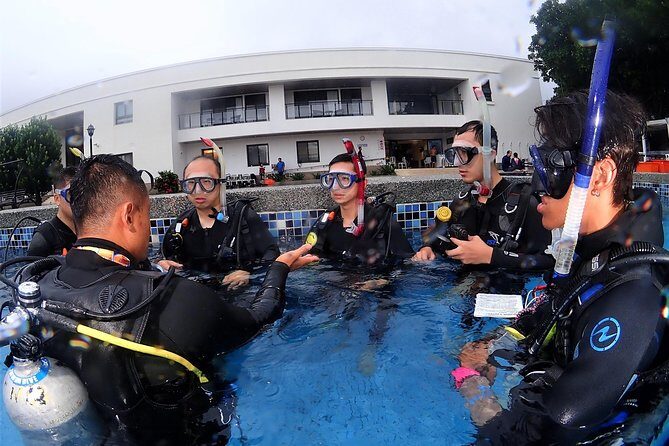
- Small-group teaching (coach:student 1:3) keeps pressure low and questions easy to handle.
- Suunto ZOOP computer watch and training tables are used throughout, so you learn planning the same way you’ll dive later.
- Lunch is included, which sounds simple until you realize how much energy you need for repeated skill drills.
- Buoyancy-bag support is provided during the open-water portion, making day-to-day gear handling easier.
- Underwater photo coverage happens in the later open-water part of the course.
PADI Open Water in Kenting: What You’re Really Training For
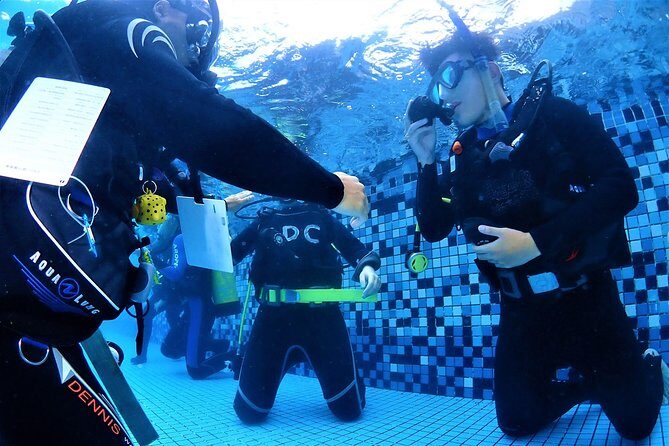
This is the entry-level path most people start with: PADI Open Water certification. The point isn’t just checking a box. You’re learning the core fundamentals you’ll need for safe recreational scuba planning later—things like how to manage skills, understand basic procedures, and follow depth limits correctly.
During training, the maximum depth is 18 meters. After you’re certified, the guidance here is not to exceed the recreational limit of 40 meters. That matters because the course is designed for stability and repetition, not for pushing limits. If you like learning with structure, this 3-day flow tends to work well.
Also, the certificate has practical value. Once you hold it, you can usually rent equipment and tanks more easily and you’ll be able to join guided underwater sightseeing around the world without starting from zero each time.
You can also read our reviews of more scuba diving tours in Kaohsiung

Price and Value: Why About $83 Can Make Sense Here
At about $83, this course can feel like a bargain—until you check what’s actually included. The good news: you get SCUBA equipment use, diving insurance, and lunch during the program. For a beginner course, equipment access is a big deal, and insurance coverage reduces the stress of figuring everything out on your own.
What’s not included is your stay. That’s common for short courses, but it changes the real total price of your trip. If you’re already planning to sleep nearby, the course cost is easier to swallow. If you still need lodging, budget for it before you book so the overall weekend doesn’t surprise you.
Finally, you’re not just paying for time in the water. You’re also paying for teaching time: small-group coaching, computer-based planning tools (the Suunto ZOOP), and additional extras like underwater photo capture later in the course.
The Training Setup That Keeps You Calm (1:3 Coaching)
I like courses that don’t rush you, and this one is built around that idea. The coach-to-student ratio is 1:3, and the teaching style is slow and unpressured. That combination matters. In beginner training, confidence is often the difference between you learning smoothly and you feeling stuck.
Your schedule also supports that pacing. Day 1 is focused on confined-water skill building, so you can get comfortable before you move to open-water sessions. Day 2 and Day 3 shift to marine practice and then wrap with skills discussion and completion steps.
One more thing I’d call out: you’re given computer tables throughout the course. That means you’re practicing how to think about your plan, not just how to follow a coach’s hand signals. It’s the kind of training that helps you feel more in control.
Equipment and Extras: Suunto ZOOP, Buoyancy Bag, and Photos
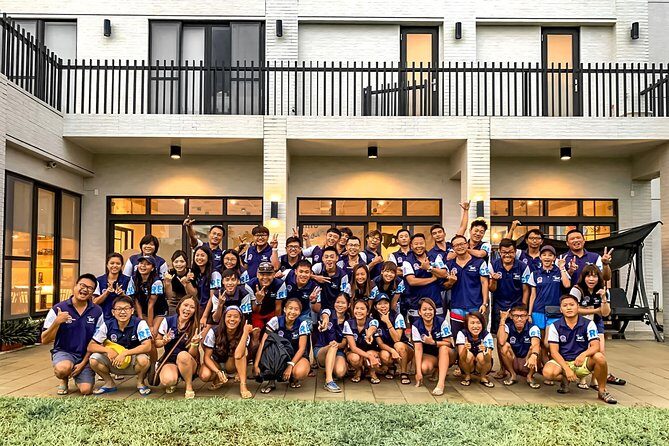
This course doesn’t treat gear like an afterthought. You use your course SCUBA equipment, and you train with a Suunto ZOOP computer watch as part of the process. For beginners, that helps because you’re not guessing what numbers mean while also trying to remember new skills.
There’s also a small convenience that can save you headaches: a buoyancy bag is used during the open-water portion (Open Water 2). That’s useful because you’re managing gear movements and transport, and a proper bag setup makes the day less chaotic.
And then there’s the fun part. The instructor brings an underwater camera to take pictures during the later open-water stage (noted as Open Water 4). If you’re the type who wants proof you actually did it, you’ll likely appreciate having photos instead of just remembering how cold you were for about five minutes.
Day 1 (Confined Water): Registration, Equipment, and First Skills
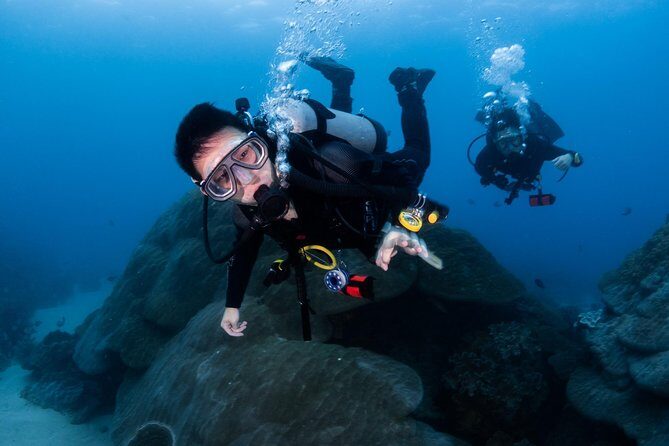
Day 1 starts with an efficient admin-and-gear block:
- 08:30–10:00: write the registration form and allocate equipment
- 10:00–12:00: confined-water teaching
- 12:00–13:00: lunch
- 13:00–17:00: more confined-water teaching
Why this matters: confined water removes a lot of variables. You can learn breathing control, buoyancy basics, and body positioning without the stress of waves, currents, or navigation. By the end of the day, you should feel more like you’re repeating a known routine rather than starting from scratch.
The timeline is also a sanity saver. Instead of tossing you into the sea immediately, you’re learning in a controlled environment across both the morning and afternoon.
Potential drawback: it’s a long day. If you’re traveling and you didn’t sleep well the night before, the 17:00 finish can feel like a lot. Plan for an earlier night so Day 1 lands smoothly.





Day 2 (Sea Sessions): Marine Practice and Skills Discussion
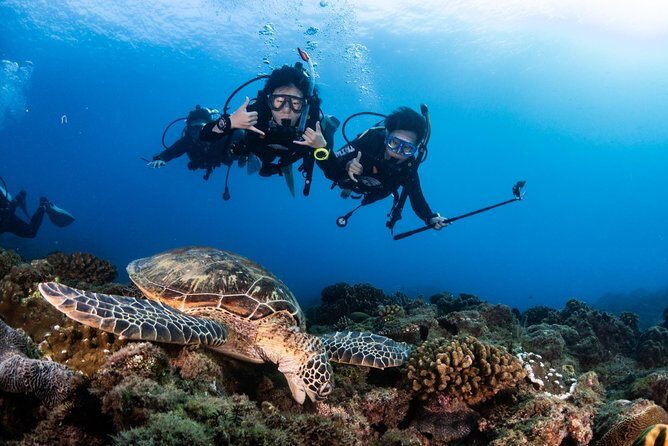
Day 2 shifts to marine learning:
- 08:30–12:00: one or two marine internships
- 12:00–13:30: lunch
- 13:30–17:00: underwater skills discussion
This is where you connect the confined-water skills to real underwater conditions. Marine sessions tend to be more physically demanding because you’re adjusting to the environment while still executing drills. The good part is that you’re not doing it blindly. You’ve already built muscle memory from Day 1.
The afternoon is about consolidation. The skills discussion time matters because it helps you correct mistakes early, before you finish with the final sea sessions. If you take notes (even mental notes), this is where you’ll make the biggest progress.
What I’d do as a participant: after the morning marine practice, go into the 13:30 discussion ready to ask specific questions. If you felt shaky on one skill, ask about how to improve it rather than hoping it works out on Day 3.
Day 3 (More Sea Sessions + Completion): Wrap-Up and Wall Certificate
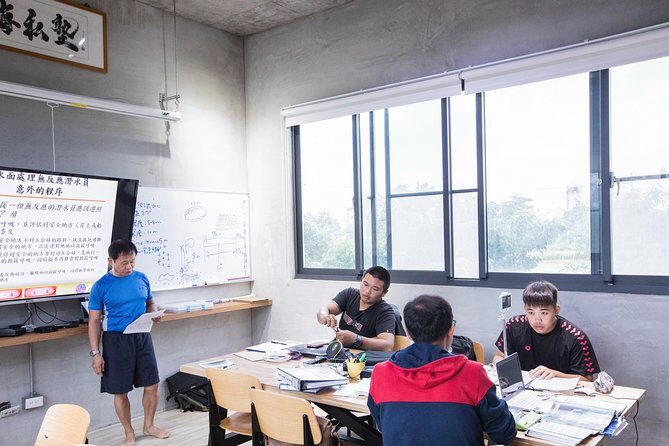
Day 3 is built to finish strong:
- 08:30–12:00: three or four marine internships
- 12:00–13:30: lunch
- 13:30–16:00: skills discussion
- 16:00–18:00: issue completion certificate and finish
The key difference from Day 2 is the amount of marine practice. You’ll do more sessions, which can feel tiring, but it’s also how beginners get comfortable fast. Repetition is the whole point.
Then you get the completion paperwork. The course includes issuing the completion certificate and finishing within the stated window. You also end back at the meeting point, which is handy if you’re planning a separate trip afterward without needing extra coordination.
One practical note: three full days of learning means you should dress and eat like it’s training. Being well-fed is not optional here—lunch is included for a reason.
Kenting National Park Stop: Why This Location Works for Beginners
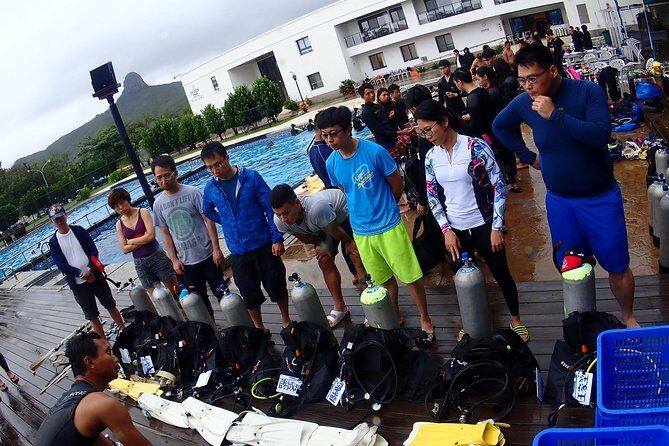
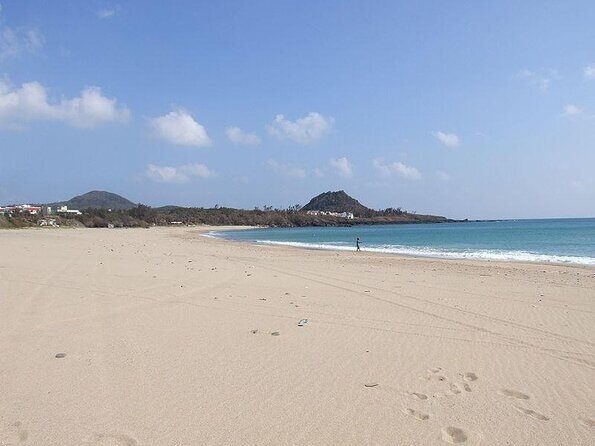
Your course includes Kenting National Park as the main stop. For a beginner, the location matters less because of scenic marketing and more because of the training logistics: consistent access to appropriate teaching conditions and a training route that supports multiple sessions across consecutive days.
Also, the base area is set in Hengchun Township (your meeting point is listed there). That matters because shorter courses go smoother when you’re not commuting across the island every day.
If you’re thinking about trip planning, try to build your days around training blocks rather than around sightseeing marathons. You’ll learn more, and you’ll feel less “spent” when you try to relax after Day 3.
Language and Communication: English Can Be Arranged
The course info says that if English teaching is required, it can be arranged. That’s a big practical point for anyone who isn’t comfortable doing safety-critical learning in a second language.
I’ve also seen clear proof of strong English support in past course experiences, with multiple coaches called out for fluent instruction. Still, I’d treat English as a preference you should confirm during booking, especially if you want every key concept explained clearly and consistently.
Good communication helps in two ways: it speeds up learning and it improves safety. When you understand the why behind a skill, you tend to follow it correctly.
Who This Course Fits Best (And Who Might Want to Wait)
This course is designed for most people over 10 years old in good health. It’s a fit if you:
- want a structured beginner path with small groups
- like learning with tools (computer watch and provided tables)
- want extra support like underwater photos
You might want to think twice or get medical approval first if you have certain conditions. The course notes that you should seek doctor approval if you have:
- respiratory related diseases such as bronchus and chest issues
- diabetes
- epilepsy
- other illnesses or surgery within one month
- ear diseases or ear surgery
That’s not paperwork fluff. Underwater training depends on breathing control and comfort with equalization, and medical factors can matter a lot.
Also, if you’re planning around a super-tight itinerary, remember there’s no stay included. Decide where you’ll sleep before you book.
How to Prepare Before Day 1 (So You Don’t Lose Time)
You’ll need to bring:
- your own swimsuit
- an ID photo (electronic file is acceptable)
No size limit is mentioned, so focus on fit and comfort rather than special gear. If you show up with a swimsuit you actually like wearing, you’ll save yourself an annoying scramble.
Also plan your schedule around the course start time. Start is listed for 8:00am at the meeting point in Hengchun. If you arrive late or rushed, it can affect your Day 1 mood, and Day 1 is where you build confidence.
Finally, bring the mindset that skills get easier with repetition. The course is built for that. Don’t expect to do everything perfectly on the first try. Expect to improve quickly.
Should You Book This PADI Open Water Course?
Book it if you want a beginner certification with small-group teaching, structured skill building, and real extras like computer-based planning tools, a buoyancy bag, and underwater photo capture. The value for money looks strong because equipment use, insurance, and lunch are included.
Consider skipping or switching plans if you’re dealing with health issues that require medical clearance, or if your trip schedule can’t handle three early mornings. Since stay isn’t included and you’ll end back at the meeting point, you’ll need lodging and transport on your own.
If you’re traveling to Kenting for a short weekend and you want a confident start underwater, this format is a practical way to get there without overpaying for extras you don’t control.
FAQ
How old do I need to be to join?
You must be over 10 years old and in good health.
What health conditions should I check before booking?
If you have respiratory conditions (such as bronchus/chest issues), diabetes, epilepsy, recent illness or surgery within one month, or ear diseases/surgery, you should seek approval from a doctor before taking the course.
What should I bring with me?
Bring your own swimsuit and an ID photo. An electronic file is accepted.
How long is the course?
It’s scheduled for 3 days (approx.).
What depth will I train to during the course?
The maximum training depth during the course is 18 meters.
Is lunch included?
Yes, lunch is provided during the course days.
Is SCUBA equipment included?
Yes. Use of SCUBA equipment is included.
Is an English course available?
If English teaching is required, it says English teaching can be arranged.
What’s included in the price, and what’s not?
Included: SCUBA equipment use, diving insurance, and lunch. Not included: stay.