REVIEW · TAIWAN
Yi-Hsin creek canyoning in northern Taiwan
Book on Viator →Operated by Shawa Canyoning Taiwan · Bookable on Viator
Yi-Hsin Creek turns Taipei daydreams into rope work. This canyoning day in northern Taiwan takes you into Yi-Hsin Creek with a guide who handles the tricky parts, including teaching you rappel technique before you hit the big walls. I love the professional guides and I love that lunch is included, so you’re not scrambling for food after getting soaked all morning.
One thing to think about first: the day starts early, and the walk back at the end can feel longer than you expect. Also, the activity is “wet first” by design, so you’ll want to leave anything you care about behind since electronics are a no-go.
In This Review
- Key things to know before you go
- Yi-Hsin Creek Canyoning: the day you’re signing up for
- Getting to the canyon: early pickup and a full day rhythm
- What to wear and bring: simple rules that make canyoning easier
- The canyon route: walking downstream where most people can’t go
- Waterfall visits: three chances to see Yi-Hsin Creek up close
- Rappelling pitches: what you’ll do and how hard it feels
- Swimming, jumping, and pool time: your best payoff
- Lunch and pacing: why included food matters here
- Safety and guide style: where confidence comes from
- Is Yi-Hsin Creek for you? (Fitness, comfort, and mindset)
- Price and value: is $170 worth it?
- Should you book Yi-Hsin Creek canyoning?
- FAQ
- What’s included in the Yi-Hsin Creek canyoning tour?
- How long is the tour, and what time does pickup happen?
- How many waterfalls will I see?
- Will I learn how to rappel before doing the big drops?
- Is swimming or water jumping included?
- What should I wear and bring?
- Can I bring my phone or camera into the river?
- What’s the group size like?
- What if the weather is rainy?
Key things to know before you go
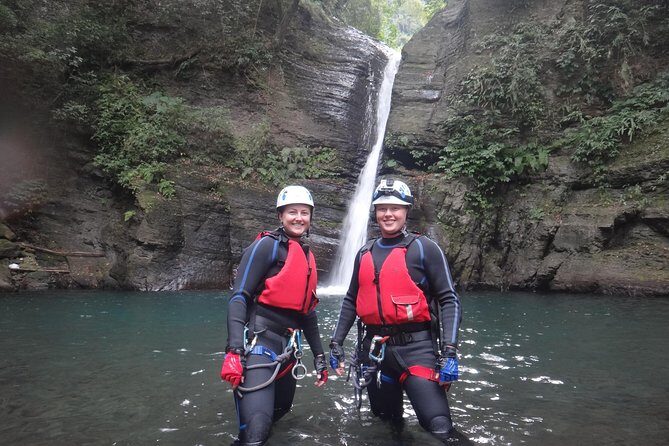
- Small-group canyoning: max 10 people, min 2, so you get more hands-on attention.
- Three waterfall moments: you’ll visit three waterfalls and spend real time in the creek, not just quick photo stops.
- Three major rappel pitches: you’ll rappel multiple vertical sections after getting taught the technique.
- Wet means wet: bring a swim-ready outfit and expect to be in the river from start to finish.
- Pro safety focus: guides explain safety points up front and you must follow instructions to stay in the group.
- Picture support on the quiet: guides take photos for you, and you shouldn’t bring your own electronics into the water.
Yi-Hsin Creek Canyoning: the day you’re signing up for
This is full-on canyoning, meaning you spend the day moving through a creek that includes walking, scrambling, swimming, and rappelling down rock faces. The point is to get you into the canyon where you can’t reach just by strolling along a trail. You’ll work your way downstream with a plan that mixes challenge with breaks, including time to relax in the water and enjoy the scenery.
The big action is split into three waterfall visits. Each one brings its own kind of stop: some sections are more about the climb-and-positioning feel, while others are about the vertical drop, where you’ll rappel down by waterfall or cliff. Between those pitches, you’ll have water jumping and swimming in pools. In other words, it’s not only ropes. It’s movement, momentum, and then the cool reset of water time.
If you’ve done nothing like this before, that’s fine as long as you can listen, keep your gear secure, and follow instructions. The guides handle the technical and safety equipment and will teach you how to rappel before you start doing the larger pitches. If you’re experienced, you’ll still appreciate having a structured route rather than figuring out where to go by yourself.
You can also read our reviews of more tours and experiences in Taiwan.

Getting to the canyon: early pickup and a full day rhythm
Plan for a long day outdoors: about 10 hours in total. Your pickup is at 06:40 AM from Taipei MRT Xinpu station exit No.2. You’ll be back in Taipei around 05:00 PM. That is an entire day, so treat it like a real outing, not a quick half-day adventure.
There’s also a listed start point in Banqiao (No. 241, Section 2, Minsheng Rd, Banqiao District) with a start time of 6:30 AM. In practice, you’ll want to follow the exact pickup instructions you receive, since meeting points can vary slightly by group routing. Either way, set two alarms. The guides only wait about 10 minutes at the pickup point, so late arrivals don’t work.
Transportation is part of the value here. Pickup and drop-off are included, which matters because canyoning spots outside Taipei aren’t where you want to figure out buses and timing on your own. The schedule also shapes the experience: you get on the creek while conditions are calmer, and you’re off before evening crowds.
What to wear and bring: simple rules that make canyoning easier
Canyoning clothing is mostly about function, not fashion. Dress as casual as you can. Slippers and sandals are recommended for the “getting there” phase. Once you’re moving into the creek, your guides will take care of the parts you don’t want to DIY, like keeping you safe and properly equipped.
A key tip: don’t plan to wear your nice clothes into the water. What you dress in for travel won’t go into the water with you. Since you’ll be in a wetsuit setup, it helps to wear your swimming costume underneath before you arrive. If you don’t, then just wear something that can be stuck under the wetsuit.
Bring drinking water, but keep in mind that you should not assume it’s included. The tour does not include a bottle of drinking water. Also, trim your nails. That’s not a small detail. Nails can snap, and canyoning isn’t a situation where you want to discover that the hard way.
One more practical rule that affects your enjoyment: do not bring electronic devices into the river. Your stuff will get wet, and the guides will handle cameras and take photos for you. That means you can stay focused on the canyon instead of worrying about your phone.
The canyon route: walking downstream where most people can’t go
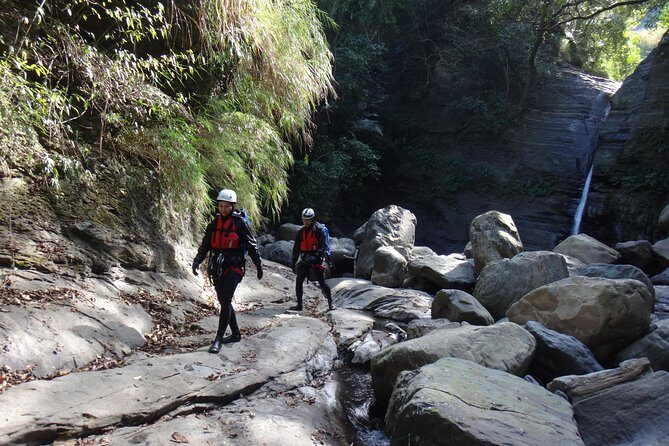
A big part of the appeal is that you won’t just stand near a waterfall and look at it. You’ll be guided to a part of the canyon where other people can’t really reach. That changes the feel instantly. The creek becomes your path, and you experience it as something alive rather than a backdrop.
The “walk downstream” portion matters because it sets up the later rappels. You’re not dropping immediately into vertical rock without context. You’ll spend time getting used to the flow of the route: moving through narrow sections, managing footing, and learning how to stay balanced around water and rock.
This is also where your physical fitness matters. The tour calls for moderate physical fitness, which usually means you should be comfortable walking, moving your body across uneven ground, and staying steady in damp conditions. You don’t need to be an athlete, but you do need to be ready to keep going.
One small reality check from experience-style feedback: the walk back to the car after the course can be a bit tired and longer than expected. That doesn’t mean it’s dangerous or badly planned. It just means you should plan for a normal human-body payoff after 10 hours of movement.
Waterfall visits: three chances to see Yi-Hsin Creek up close
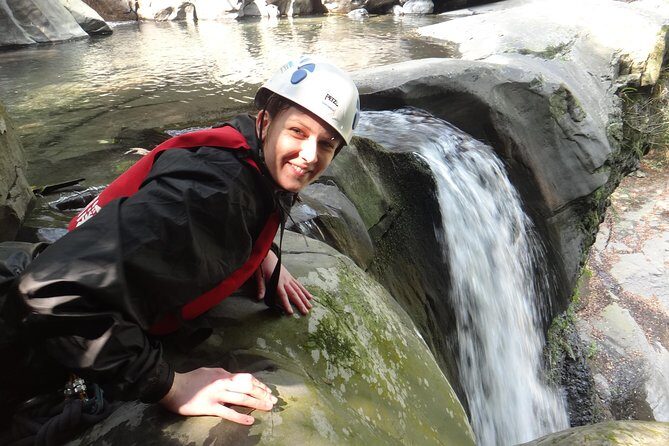
You’ll visit three waterfalls during the day. Each one plays a different role in the flow of the canyoning route.
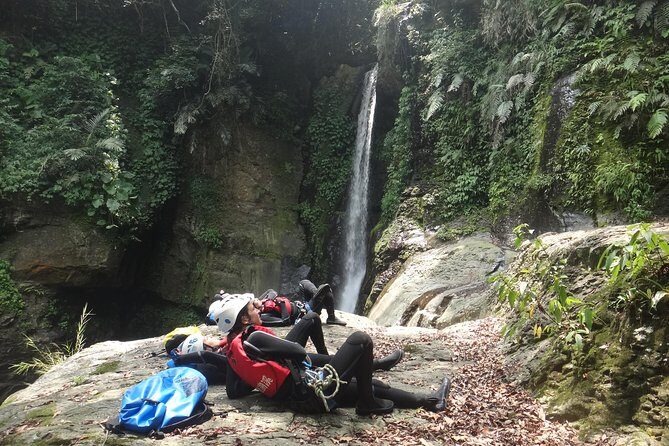
Between rappels, these stops give you something canyoning can lack if it’s all vertical drops: a chance to reset and take in the shape of the creek. Waterfalls change the soundscape and temperature. They also create the natural spots where you jump, swim, and regroup before moving to the next pitch.
The guides use these waterfall moments to break the day into manageable chunks. You might rappel down a cliff section connected to a waterfall, then follow with water time in a pool or calmer section. You’ll usually get enough structure that you’re not left wondering what happens next—important when you’re wearing gear and operating in a wet environment.
And because this is designed to be away from the most crowded areas, the waterfalls feel more like part of the environment than a staged attraction. You get the full effect of being in a working creek, not just watching water from the sidelines.
Rappelling pitches: what you’ll do and how hard it feels
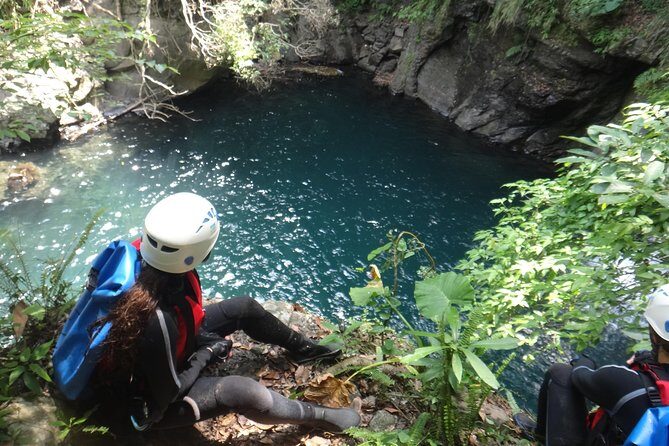
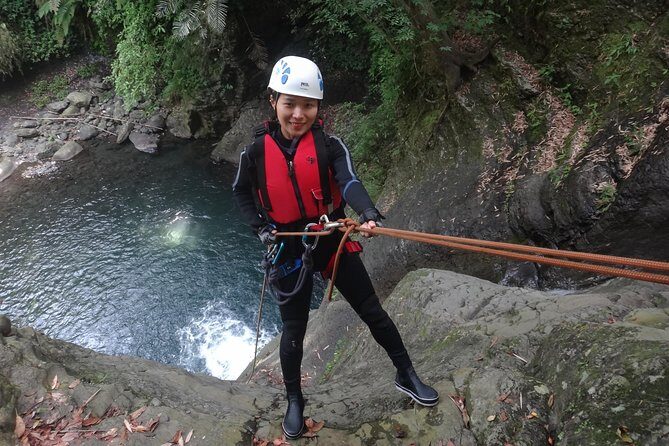
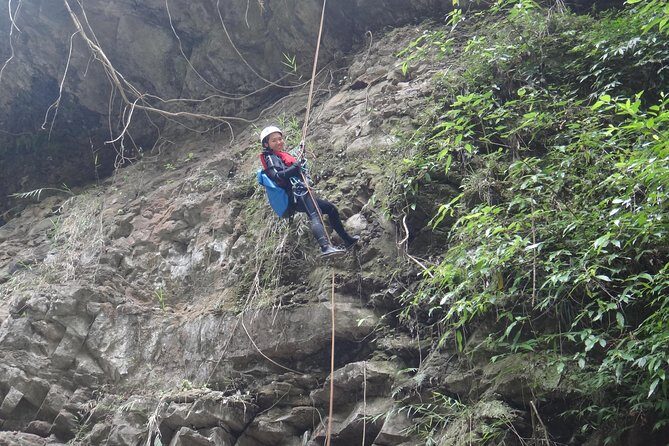
Rappelling (also called abseiling in many places) is the core skill of this tour. You’ll be taught how to rappel before you do the major pitches. You won’t just get tossed into it.
You’ll do three major pitches, and they’re linked to the vertical drops by waterfall or cliff. This is where the guides’ experience shows. You’ll get coaching so you can focus on technique instead of panic. And because this is a small group (max 10), you’re more likely to get the attention you need when you’re learning a new movement.
How hard it feels depends on the person. The tour doesn’t position itself as a casual walk. It’s challenge plus safety procedure. The good news is the guide team is technical and focused on safety equipment checks, and the route is planned to keep you moving with purpose.
Here’s what you can do to make the rappels go smoother: listen carefully during the safety briefing, trim nails beforehand, and keep your body calm. Most canyoning trouble comes from rushing or ignoring instructions. If you stay patient, you usually feel confident faster than you think.
Swimming, jumping, and pool time: your best payoff
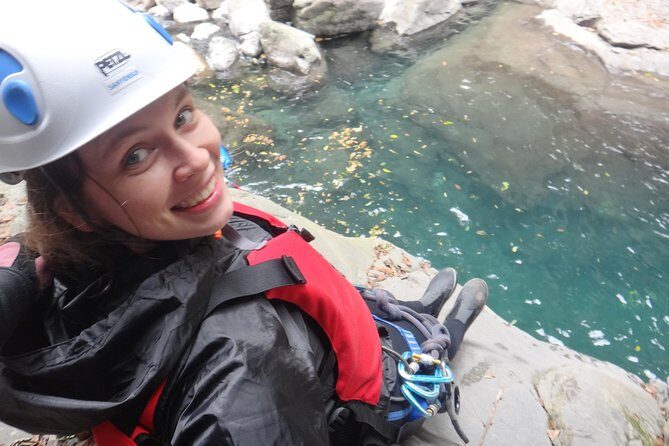
Water jumping and swimming in pools are definitely included. This is often the part people remember most because it’s the contrast to ropes and rock. After a rappel pitch, you get a moment to move with the water rather than against gravity.
These pools and jump spots are also where you get to enjoy the creek. You can relax, swim, and reset your breathing. It’s the part of the day that turns “work” into play.
If you’re nervous about water jumping, don’t treat it like a stunt contest. The important thing is to follow the guide’s instructions for how to enter the water safely. This isn’t freestyle. It’s controlled play in a natural setting.
Also remember: everything is wet-friendly, but your gear and clothing choices matter. You’ll want a swimsuit that stays comfortable under your wetsuit setup and gives you freedom of movement. That small planning step helps the whole day feel easier.
Lunch and pacing: why included food matters here
Lunch is included. That matters more than you might think. With canyoning, you burn energy and you’re dealing with wet gear and cold water at different points. Waiting to find food later can turn your mood sour fast.
The tour’s pacing gives you a structured break, so you can warm up and recharge before the afternoon continues. Even if you’re not starving, you’ll appreciate having something planned. It also reduces decision fatigue, which is valuable when you’re spending the day focused on safety, movement, and new skills.
Hydration is still on you, though. The tour does not include a bottle of drinking water, so bring your own. Simple habit: take small sips during breaks instead of saving it all for the end.
Safety and guide style: where confidence comes from
Safety is not a side note on this tour. You’ll be taught rappel technique and safety points before you start the major pitches. Guides also provide the technical and safety equipment for canyoning, so you’re not assembling gear yourself on the fly.
From the experience style feedback that stands out, guides like George and Mr. Shark are pro-level in both equipment and safety checks. You’ll get clear instructions on how the day works, what to do, and what not to do. The guides also adjust canyoning difficulty based on the group’s condition and how people are doing in real time. That’s a practical advantage for a small group.
A rule to take seriously: you must adhere to the safety instructions, or you can be removed from the group for safety of yourself and others. That sounds strict because it is strict, and it’s meant to keep everyone moving safely in a dynamic environment.
And while trips continue even on a moderate rainy day, you still need to show up prepared. Wet rock changes traction and how slippery things feel. But the plan is designed to run in those conditions, not just on perfect postcard weather.
Is Yi-Hsin Creek for you? (Fitness, comfort, and mindset)
This is best for outdoor people who enjoy movement and don’t mind getting wet. You should be at least moderately physically fit. You’ll be walking downstream, managing uneven terrain, and then using a rappel system in a creek environment.
It’s also a good fit if you like learning skills during a trip. You’re not only doing one thing. You’ll learn rappel basics, then apply them on three larger pitches. Add in swimming and waterfall time, and you get a day that feels full without feeling chaotic.
If you hate being cold, slippery, or tied to instructions, canyoning can feel stressful. In that case, you’ll want to rethink your activity choice. But if you’re okay with a damp day and you like the idea of doing something active, you’ll likely feel proud by the end.
Price and value: is $170 worth it?
At $170 per person, you’re paying for more than a view. You get a full-day canyon route, three waterfalls, three major rappels, and water jumping/swimming time. You also get pickup and drop-off, lunch, and all technical and safety equipment.
If you tried to cobble this together yourself, you’d face transport costs, gear sourcing, and the biggest risk: not having trained guides who manage safety checks and teach the technique. Here, the guide-led structure is part of the product. The small group size (max 10) also boosts value because it’s easier to get attention and coaching.
So for most active people who want a guided, equipment-included adventure outside Taipei, this price reads as fair.
Should you book Yi-Hsin Creek canyoning?
Book it if you want a true canyon experience near Taipei with a small group, pro guides, and a day that mixes rappelling with real water time. If you like the idea of learning rappel technique and then using it on three major pitches, this is the right kind of challenge.
Skip it (or think twice) if you’re uncomfortable with early mornings, you don’t like being in and around slippery water for hours, or you’re not willing to follow safety instructions closely. Also, plan your expectations about the end-of-day walk. You’ll likely feel tired, even when everything goes smoothly.
If you’re the type who enjoys nature days with a purpose, Yi-Hsin Creek canyoning is a strong choice in northern Taiwan.
FAQ
What’s included in the Yi-Hsin Creek canyoning tour?
The tour includes a professional guide, lunch, pickup and drop-off from Taipei MRT Xinpu station exit No.2, and all technical and safety equipment for canyoning.
How long is the tour, and what time does pickup happen?
The duration is about 10 hours. Pickup is at 06:40 AM from Taipei MRT Xinpu station exit No.2, and you return to Taipei around 05:00 PM.
How many waterfalls will I see?
You’ll visit three waterfalls during the canyoning route.
Will I learn how to rappel before doing the big drops?
Yes. You will be taught how to rappel (abseil) and you will do three major pitches rappelling by waterfall or on a cliff.
Is swimming or water jumping included?
Yes. Water jumping and swimming in pools are included.
What should I wear and bring?
Bring a swimsuit (wear it under your outfit if you can). Dress casually for the ride over. Slippers and sandals are recommended for getting there. Also bring drinking water and trim your nails before the activity.
Can I bring my phone or camera into the river?
No. You should not bring electronic devices into the river since everything will get wet. The guides will bring a camera and take pictures for you.
What’s the group size like?
It’s a small-group experience with a maximum of 10 people and a minimum of 2.
What if the weather is rainy?
Trips will still run in a moderate rainy day. The experience requires good weather, and if it’s canceled due to poor weather, you’ll be offered a different date or a full refund.