REVIEW · TAICHUNG
Guided Historical Tour in Taichung with Suncake DIY Experience
Book on Viator →Operated by tctimewalk · Bookable on Viator
History tastes better with sun cake in hand. This guided historical afternoon in Taichung’s Central District pairs architecture-and-street trivia with a hands-on DIY pastry stop, so you’re learning as you walk through everyday city life. I really like the mix of landmark buildings and local lanes, not just big-ticket sights.
I also love how the route gives you quick context at each turn, from Taichung Railway Station’s 1917-era details to the story behind places like Qingcao Street and the Fourth Credit Cooperative. One thing to plan for: the tour depends on good weather, since a chunk of the time is outdoors along the river and on older streets.
In This Review
- Key highlights from this Taichung old-town combo tour
- Where this tour fits: Central District history you can walk through
- Start at Taichung Railway Station: the 1917 building that teaches you to look
- Miyahara: when a historic ophthalmology clinic becomes ice cream culture
- Green River waterfront trail: a city tool that turned into a place to stroll
- ASEAN Square and First Public Retail Market: trade ties you can see
- Qingcao Street (Herb Lane): traditional medicine roots on a lively shopping block
- Ji Guang stinky tofu: street food culture with a guided nose test
- Quan An Tong Sun Cake Museum DIY: the hands-on payoff you’ll remember
- Fourth Credit Union: a cooperative model worth pausing for
- Timing, pacing, and the $63 value question
- Who should book this Taichung guided tour
- Should you book this Taichung Central District tour?
- FAQ
- FAQ
- How much does the Taichung historical tour cost?
- How long is the tour?
- Where is the meeting point?
- What days and times does the tour run?
- Is this tour walking-heavy?
- What is the DIY experience included in the tour?
- How big are the groups?
- Can I get a refund if my plans change?
Key highlights from this Taichung old-town combo tour
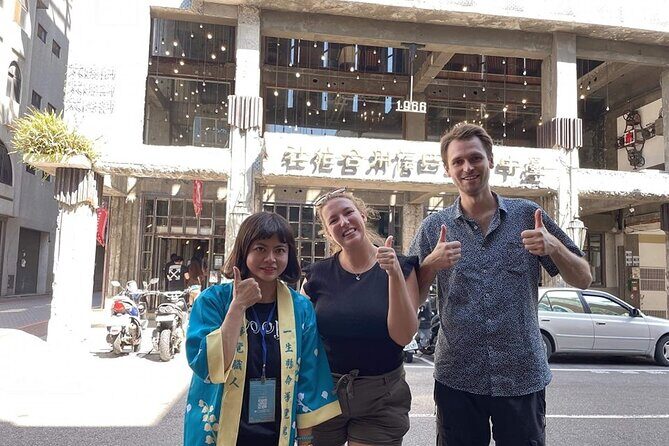
- Taichung Railway Station (1917): Japanese colonial + Chinese elements, plus an easy way to spot the layers.
- Miyahara’s repurposed clinic-to-ice-cream story: a building with character and an instant local “I get it” moment.
- Central District street-food culture: you’ll pass the famous Ji Guang stinky tofu area and learn what makes it distinctive.
- Qingcao Street (Herb Lane): a practical look at how traditional medicine storefronts shaped the street’s identity.
- DIY sun cake at Quan An Tong Sun Cake Museum: roll, craft, and pack your own treat.
- Small-group pace: up to 40 people, so explanations still land.
Where this tour fits: Central District history you can walk through
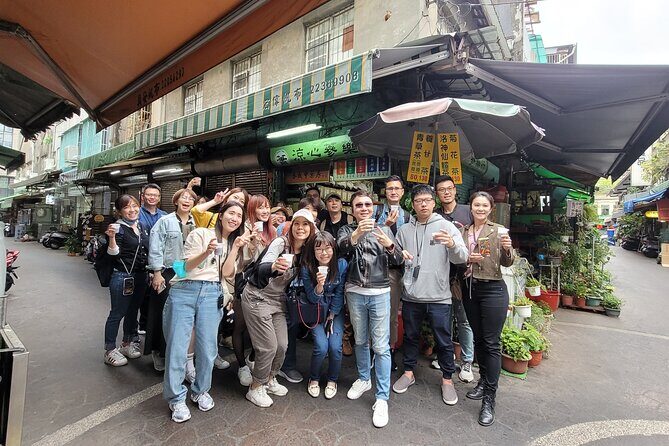
Taichung’s Central District is the kind of place where the story isn’t trapped behind ropes. You move block by block and you can still see how the city works: transportation hubs, older institutions, markets, and the everyday snack stops that locals keep coming back to.
This tour is built for that. You get a guided flow through iconic spots and the smaller streets between them. The total time runs about 2 hours 40 minutes to 3 hours, which is long enough to feel like a “real walk,” but not so long you’re cooked by the middle. And because you finish back at the meeting point, you don’t have to do the mental math of getting yourself home.
You can also read our reviews of more guided tours in Taichung
Start at Taichung Railway Station: the 1917 building that teaches you to look
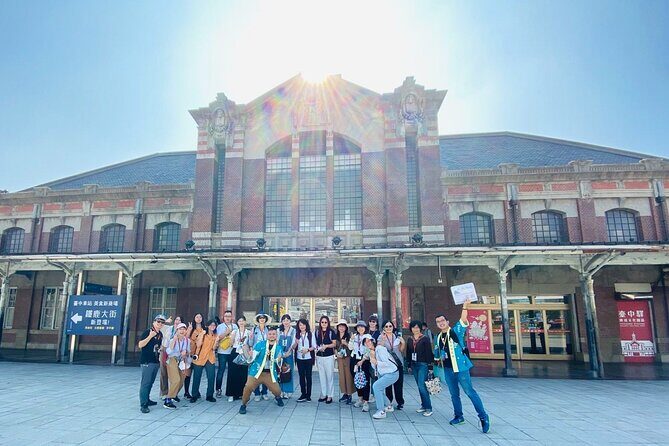
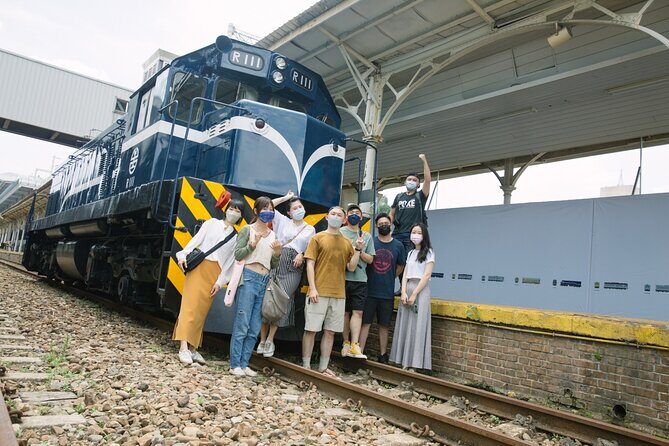
Your first anchor point is Taichung Railway Station Tourist Service Center. The station itself dates to 1917, and what makes it useful for a guided tour is how clearly it shows mixed cultural design—Japanese colonial architecture combined with traditional Chinese elements.
Here’s why I like starting there: it gives you a baseline for everything else. When your guide points out details on the outside, you start recognizing “layering” as a theme. It’s not just trivia—it’s a way of reading the city. And because the visit is about 25 minutes with free admission, it’s a strong opening without eating your whole afternoon.
Practical tip: wear shoes that handle uneven sidewalk sections. Older downtown streets can be a patchwork of materials.
Miyahara: when a historic ophthalmology clinic becomes ice cream culture
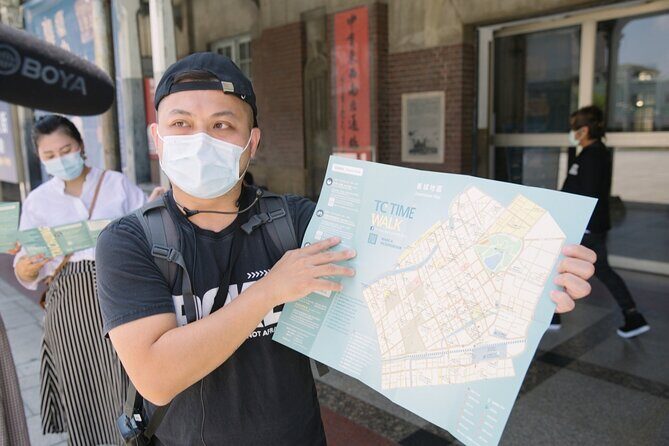
Next comes Miyahara, a historic ophthalmology clinic turned into a popular ice cream shop. The clinic was originally constructed by a Japanese ophthalmologist in 1927, and the building blends Baroque and Gothic touches—so even if you’re not an architecture nerd, you’ll notice the style shift immediately.
This stop works because it’s not a “museum piece.” It’s a working business today. You see how a serious medical building became a snack-and-relax spot, which is a very Taichung kind of transformation: practical reuse, not just preservation-as-a-fossil.
It’s also a quick 15 minutes, so you get the context and can keep momentum.
Green River waterfront trail: a city tool that turned into a place to stroll
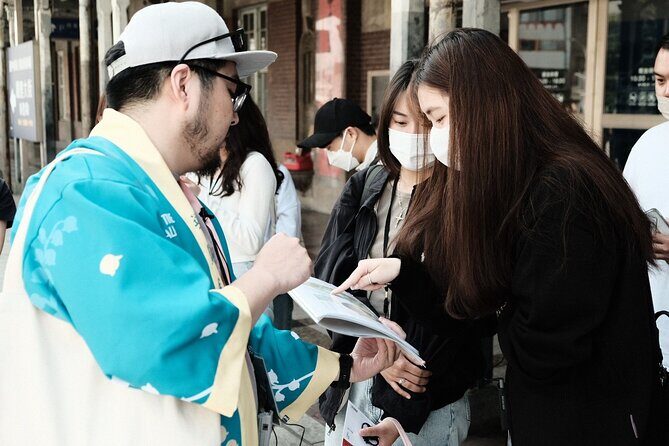
Then you head to the Green River waterfront landscape trail. The river has played an important role in Taichung’s development—originally tied to transportation and irrigation—and now it’s used as a recreational space.
You don’t need to be an outdoors person to enjoy this part. In a walking tour, short river segments help you reset your brain. You’ll usually get cleaner sightlines for photos, and the guide’s history helps you understand why this waterway still matters even after the city’s modern infrastructure took over.
This stop is about 10 minutes, so think of it as a breather that also keeps the story moving.
ASEAN Square and First Public Retail Market: trade ties you can see
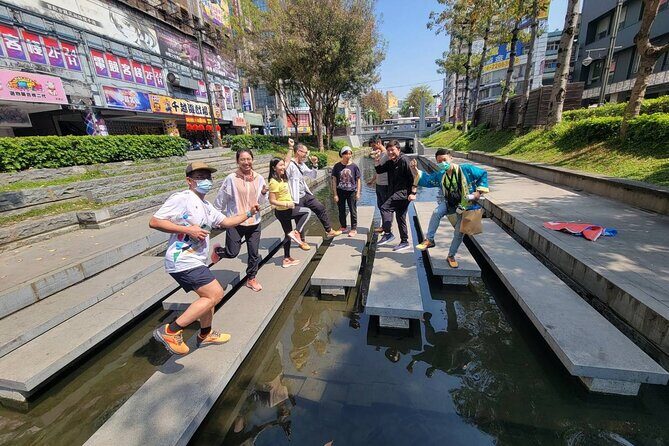
Your next learning chunk is ASEAN Square, formerly connected to 第一公有零售市場(現今東協廣場). ASEAN Square was established in 2017 to promote economic and cultural ties between Taiwan and ASEAN countries.
Why it’s a good tour stop: it connects local history with modern identity. Taichung isn’t only about old buildings; it’s also about how the city positions itself in broader regional networks. And because it’s listed at about 25 minutes with free admission, you can enjoy the walking-and-explaining pace without worrying you’re burning your budget.

Qingcao Street (Herb Lane): traditional medicine roots on a lively shopping block
Now you step into Qingcao Street, also known as Herb Lane. Historically, the street was home to many traditional Chinese medicine shops and herbal remedies. Even if you don’t plan to buy anything, the value of a guided walk here is understanding why shop signs, storefront rhythms, and street layout look the way they do.
This stop is about 20 minutes, and it’s the kind of place where you’ll probably slow down naturally. That’s not “extra time you lose”—it’s your eyes learning the street.
If you’re shopping later, this is a good time to note what catches your attention. The tour gives the background first, so your later purchases feel less random.
Ji Guang stinky tofu: street food culture with a guided nose test
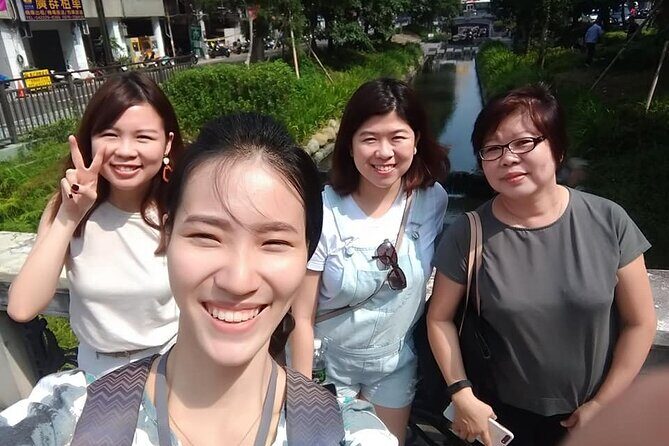
Next is Jiguang Stinky Tofu (Ji Guang Fried Stinky Tofu). Stinky tofu is one of those Taiwan foods that splits the world into two groups: people who love the fermented aroma and people who need a moment to decide.
The important part here is the explanation: the tofu is fermented with a blend of herbs and spices, and then deep-fried for flavor and texture. That process is why it tastes different from other fried snacks.
This stop is only about 10 minutes, so you’re not forced to eat. What you’ll likely get instead is a sense of why the smell is part of the point—and how to decide if it’s worth your first bite.
Practical tip: if you’re sensitive to strong food odors, you can keep your distance for a few minutes while your guide finishes the story, then rejoin.
Quan An Tong Sun Cake Museum DIY: the hands-on payoff you’ll remember
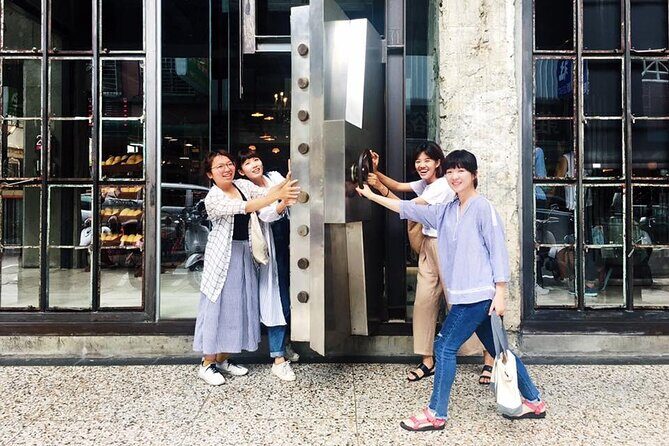
The big signature moment is the Taiwan Sun Cake Museum (Quan An Tong Sun Cake Museum). This is where the tour shifts from “look and learn” into “make and take.”
You’ll spend about 45 minutes here, and the experience is a true DIY session: you make sun cake with a pastry master, and you also put together a handmade package of what you create. That take-home element matters. It turns the day into something you can show, share, or snack on later—without needing another souvenir bag.
Sun cakes are a classic Taiwanese pastry, and the museum setting adds context: it’s not just eating, it’s understanding the tradition around the pastry. Even if you’re only mildly interested in baking, the process is usually fun because it’s practical and guided.
What to expect from the DIY part:
- You’ll work hands-on during that time window, so plan to keep your energy up.
- Your output is something you can bring home, which makes the price feel more “real” than a tour that only gives you photos.
Fourth Credit Union: a cooperative model worth pausing for
After pastry time, you’ll visit the Fourth Credit Union—a cooperative financial institution. The key detail is the ownership and operating model: it’s owned and operated by its members, typically small bus owners and local participants, rather than a traditional bank setup.
This stop might sound niche, but it’s useful. It shows how communities build support systems and how “institutions” in daily life don’t always look like big, modern towers. In a short tour, it’s a smart contrast to the more tourist-facing landmarks.
It’s about 15 minutes, so it’s a quick “side lesson” that adds depth without derailing the schedule.
Timing, pacing, and the $63 value question
At $63, you’re paying for a guided afternoon that combines multiple free-to-enter stops with one paid-feature experience: the sun cake DIY workshop.
That’s the value logic I’d use to decide. If you only wanted photos and a casual stroll, this might feel like too much structure. But if you want an explanation at each stop and the hands-on museum session, the price starts to make sense quickly—especially since the tour stays tight at roughly 3 hours.
Group size matters too. With a maximum of 40 travelers, you’re not in a huge crowd. The guide explanations from different named guides—like Shine, Hans, Ewa, and Christine—show up in the quality of the experience: people noted detailed explanations, trivia that connects dots, and even supplemental slides prepared by Christine. That’s exactly what you want for a walking tour: information that sticks.
Logistics-wise, you’ll get a mobile ticket, and the starting point is Taichung Film Development Foundation (No. 73, Zhongshan Rd, Central District). The tour ends back at that meeting point.
Who should book this Taichung guided tour
I think this tour fits best if you want:
- A walkable way to understand Central District Taichung without planning a bunch of stops yourself.
- A mix of architecture, street culture, and food context (including stinky tofu area and herb-street history).
- Something tangible to take home: the sun cake DIY.
It’s also a solid first guided-tour choice. The structure is simple: meet, walk, learn, make pastry, finish. If you like your travel with a clear storyline, this has it.
Should you book this Taichung Central District tour?
Yes, if you want history that actually changes how you look at a city. This isn’t only about big sights—it connects rail-era architecture, repurposed buildings like Miyahara, herbal trade roots on Qingcao Street, and the cooperative idea behind the Fourth Credit Union, then caps it with a hands-on sun cake workshop.
I’d book it sooner rather than later if you can travel on weekend afternoons (it runs Saturday to Sunday, 1:30 PM to 4:30 PM). If weather is unpredictable, keep in mind the tour requires good weather, since outdoor segments are part of the route.
If you tell me your travel dates and whether you’re a stinky-tofu person, I can also suggest how to time food stops before or after the workshop.
FAQ
FAQ
How much does the Taichung historical tour cost?
The price is listed as $63.
How long is the tour?
The duration is about 2 hours 40 minutes to 3 hours (approx.).
Where is the meeting point?
You meet at Taichung Film Development Foundation, No. 73, Zhongshan Rd, Central District, Taichung City, Taiwan 400.
What days and times does the tour run?
The listed opening hours show Saturday to Sunday, 1:30 PM to 4:30 PM.
Is this tour walking-heavy?
The route includes multiple downtown stops such as the railway area, street lanes, and the Green River waterfront trail, so expect a walking tour across the Central District.
What is the DIY experience included in the tour?
At the Quan An Tong Sun Cake Museum, you make sun cake with a pastry master and also handmake a package of what you create.
How big are the groups?
The tour has a maximum of 40 travelers.
Can I get a refund if my plans change?
Cancellation is listed as free, with a full refund if you cancel up to 24 hours in advance. If you cancel later than that, the amount paid is not refunded. The tour also requires good weather, and if it’s canceled due to poor weather you’ll be offered a different date or a full refund.