REVIEW · TAINAN CITY
Tainan Culture Trip: Chinese Tea Ceremony_Oolong Tea
Book on GetYourGuide →Operated by Tainan TOT House · Bookable on GetYourGuide
Tea time in Tainan can be surprisingly educational. In King’s Chinese tea ceremony at the TOT House, you learn how oolong tea is made, why it tastes the way it does, and how to handle the ritual tools with respect.
What I like most is the careful tasting structure and the way King walks you through oolong flavors step by step. I also love the hands-on feel of the ceramics: you’ll use different cup shapes and experience at least two brew setups such as a Gaiwan and terracotta pots. One consideration: it’s calm and rule-based, so you’ll want to be ready to put your phone away and follow etiquette closely.
In This Review
- Quick hits: what makes this oolong tea ceremony worth your time
- Entering the TOT House in Tainan: small door, big focus
- The 90-minute flow with King: history, etiquette, and oolong tastings
- Chinese tea history, simplified: what it means for your cup
- Oolong tea, explained through taste: how you compare without overthinking
- Tea etiquette that actually helps: accept, sip, and stay present
- Ceramics matter: Gaiwan, terracotta pots, and different cup textures
- The tasting you’ll remember: aroma first, then sip, then compare infusions
- Tea as culture, not just a drink: Taiwan context through a Chinese ritual
- Price and value: $50 for up to 2, with equipment and multiple oolongs
- Who should book this oolong tea ceremony in Tainan
- Should you book this Tainan Oolong Tea ceremony?
- FAQ
- FAQ
- How much does the Tainan oolong tea ceremony cost?
- How long is the experience?
- Where do I meet the host?
- Is the ceremony offered in English?
- What tea will I taste during the ceremony?
- What tea utensils are included in the experience?
- Are phones or video recording allowed?
- Is smoking allowed?
- What booking flexibility is available?
- Is it suitable for children or people with mobility limitations?
Quick hits: what makes this oolong tea ceremony worth your time
- A private group up to 2 for a slow, personal pace (90 minutes, English speaking)
- At least 4 oolong teas to compare, with aroma and taste changes across infusions
- Ceramics you actually taste through, including Gaiwan and terracotta teapots plus multiple cup styles
- Clear etiquette coaching on how to accept and enjoy your tea properly
- King’s English explanations link tea history, Taiwan tea culture, and how to taste
- A peaceful, mindful setting where you can slow down from Tainan’s street pace
Entering the TOT House in Tainan: small door, big focus
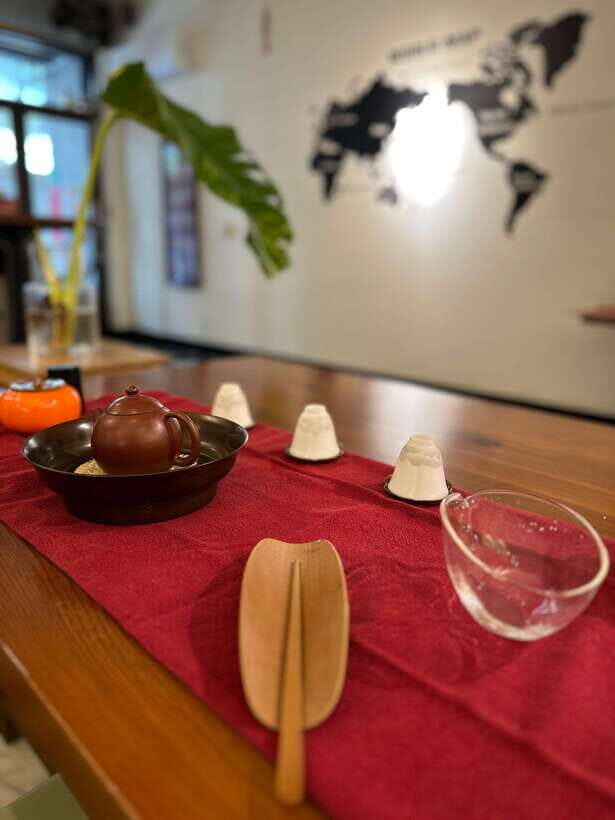
In Tainan, this ceremony starts at the TOT (Taiwan Oolong Tea) House, a place that looks like a normal home. The front door doesn’t scream attraction. You press the bell, then step into a more quiet world built around tea.
The setting matters because the session is designed to be slow and intentional. You’re not rushing between stops or standing in line. Instead, you’ll get the time to notice aroma, temperature, and the way a tea changes as you move from sip to sip.
If you’re the type who likes a structured experience without feeling boxed in, this works well. It’s private, and the focus stays on the ceremony rather than a lecture that never ends.
One practical note: transportation and meals are not included. So plan your day so you can arrive relaxed and stay around long enough afterward to enjoy Tainan at your own pace.
You can also read our reviews of more tours and experiences in Tainan City.

The 90-minute flow with King: history, etiquette, and oolong tastings
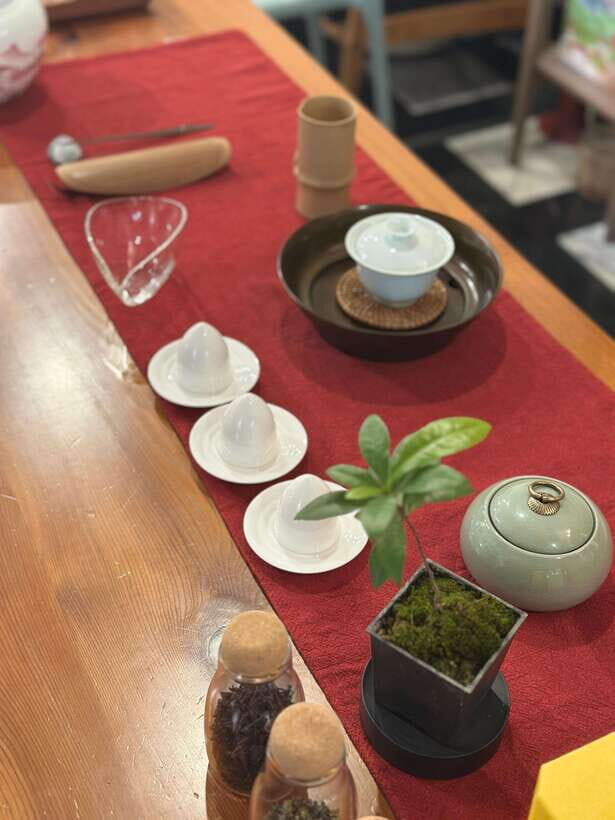
This is a guided ceremony, not just a tasting flight. The session is built like a lesson you can taste as you go, and the pace is calm enough that you can actually follow the steps.
First, King starts with the history and significance of Chinese tea, including the idea of where tea comes from and how different types of tea fit into the bigger picture. Then the talk narrows toward oolong: where it sits among tea categories and what makes it different in character.
Next comes etiquette. You learn how to behave during the ceremony, including traditional courtesies and the correct way to handle your tea cup. The goal isn’t to make you feel tested. It’s to keep the attention where it belongs: on the tea and on the ritual.
After that, the tools enter the story. You’re encouraged to appreciate the craftsmanship of the teapot, cups, tea tray, and other items used during the process. That matters because oolong tasting isn’t one-size-fits-all. The equipment changes the experience, from how aroma opens to how the flavor lands on your palate.
Finally, the tasting part becomes the main event. You’ll sample multiple oolongs (at least 4 kinds), and you’ll be guided to notice aroma, taste, and how flavors evolve with each infusion. This is where the ceremony stops being abstract and becomes personal.
Chinese tea history, simplified: what it means for your cup
You might think you’re signing up for a fun tasting. You are, but you’re also learning the context that makes the tasting make sense.
King explains the history and significance of Chinese tea, including tea’s role in Chinese culture. You also learn that tea is not only a drink for downtime. It shows up in social customs and is connected to traditional beliefs and practices, including traditional Chinese medicine.
Then comes the useful part: understanding tea types in a practical way. When you know how different tea categories are treated and processed, you start tasting with more intention instead of guessing.
Even if you’ve never studied tea before, this approach helps. You’ll get a framework for what to expect from oolong, so when the flavors show up as floral, fruity, woody, or roasted, you can place what you taste into a bigger system rather than just naming it.
Oolong tea, explained through taste: how you compare without overthinking
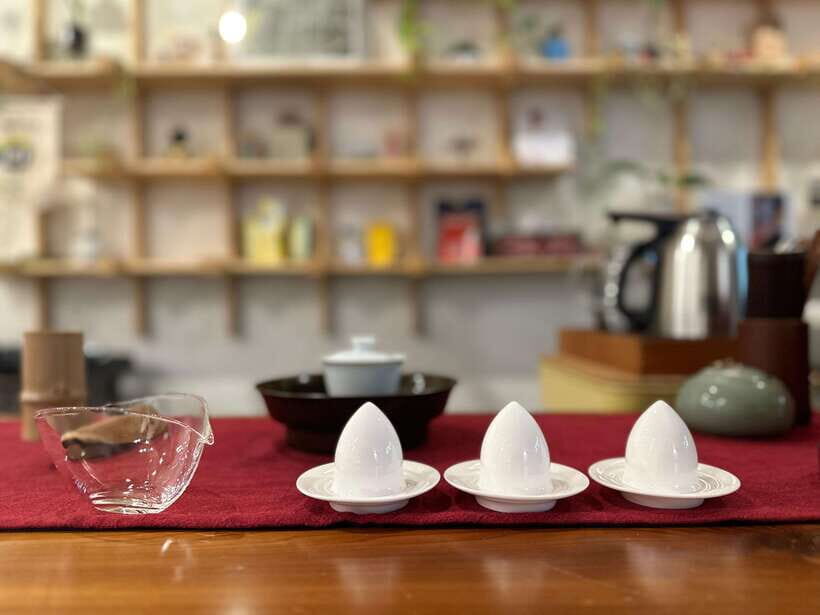
Oolong is the star here, and the ceremony is built around comparison. You’re not just trying one tea and moving on. You’re tasting multiple oolongs back to back, learning what makes each one feel distinct.
King guides you to focus on both aroma and flavor. You’ll take time to smell first, then sip, then pay attention to the way the tea evolves as the infusion repeats. That evolution is key for oolong: the first pour can feel different from later ones as new notes rise and older notes soften.
From what you’ll experience in this session, oolong flavors can shift across a range. Some are lighter and more floral or fruity. Others lean toward woody or roasted tones. The tasting is where you build your own instincts—what you like, what you notice, and which style you want to remember later when you shop for tea.
The best part is that you don’t need to be a tea expert. King’s explanations are in English, and the experience is geared to different levels. If you’re brand new, you’ll follow the process. If you already care about tea, you’ll get plenty to compare.
Tea etiquette that actually helps: accept, sip, and stay present
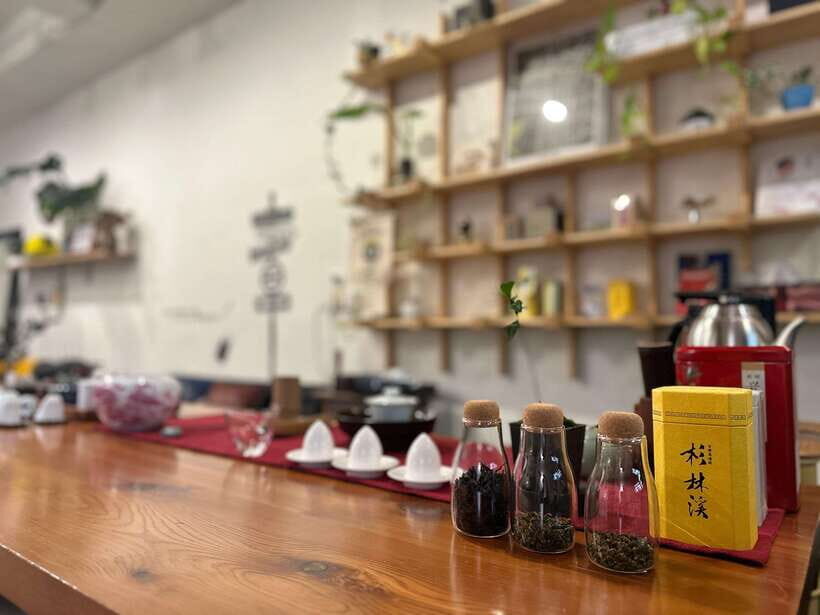
Tea ceremonies can feel intimidating if you’re worried about getting it wrong. Here, etiquette is taught plainly so you know what to do while you’re doing it.
You learn proper behavior during the ceremony, including traditional courtesies and the right way to accept your tea cup. That kind of detail may sound small, but it changes your whole mindset. Instead of multitasking in your head, you focus on the moment.
You’ll also get practical reminders that help the ceremony stay calm. The rules include no cellphone use and no video shooting during the ceremony. You’ll also want to avoid strong perfume so the aroma of tea isn’t competing with fragrance.
These guidelines might sound strict, but they’re also part of the value. Tea is about smell and subtlety. When the room is quiet and scent isn’t fighting you, your tasting improves fast.
One more rule to know: smoking is not allowed.
Ceramics matter: Gaiwan, terracotta pots, and different cup textures
A huge part of this experience is the equipment. You’re not just watching someone brew. You get the experience of how different tools shape your tasting.
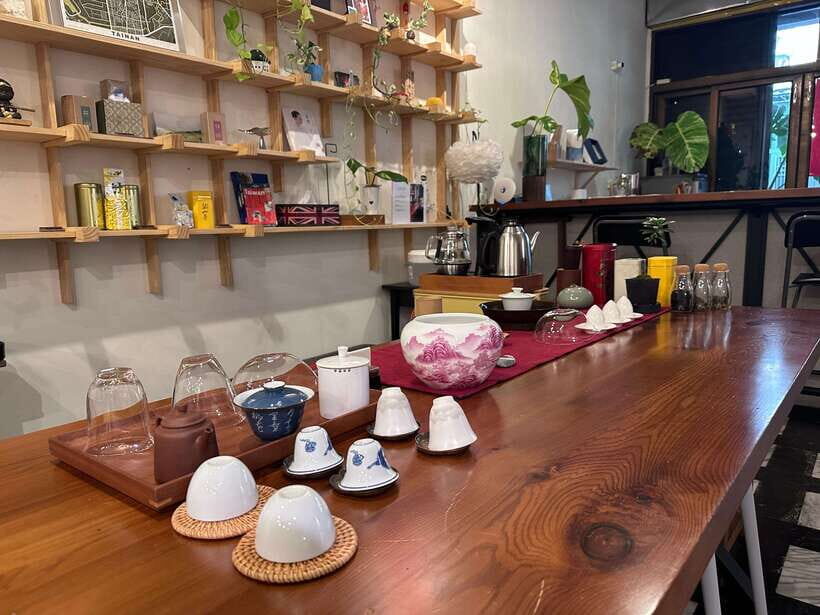
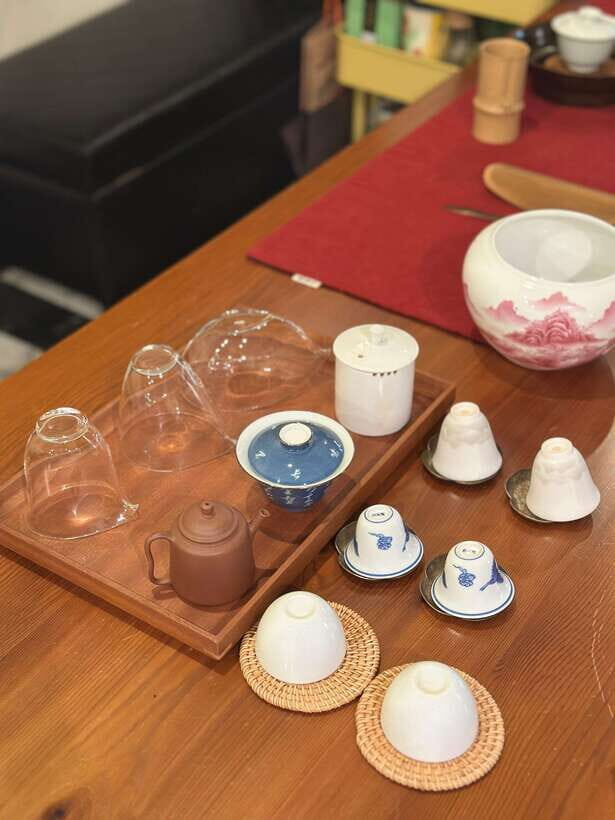
At minimum, you’ll appreciate at least two brew utensils—specifically, a Gaiwan and terracotta teapots are included. You’ll also try at least three kinds of tea cups in different shapes and textures. That variety matters because even small differences in cup shape can change where aroma hits and how the sip feels.
The ceremony also encourages you to appreciate the craftsmanship of the teapot, cups, and tea tray. Watching King handle the tools with intention makes more sense once you’ve used them in your own tasting moments. It’s not about showing off. It’s about controlling the experience so you can notice the differences between oolongs.
If you’re a design- or craft-minded traveler, this is a win. The ceramics give you something tangible to remember, not just a memory of flavor.
The tasting you’ll remember: aroma first, then sip, then compare infusions
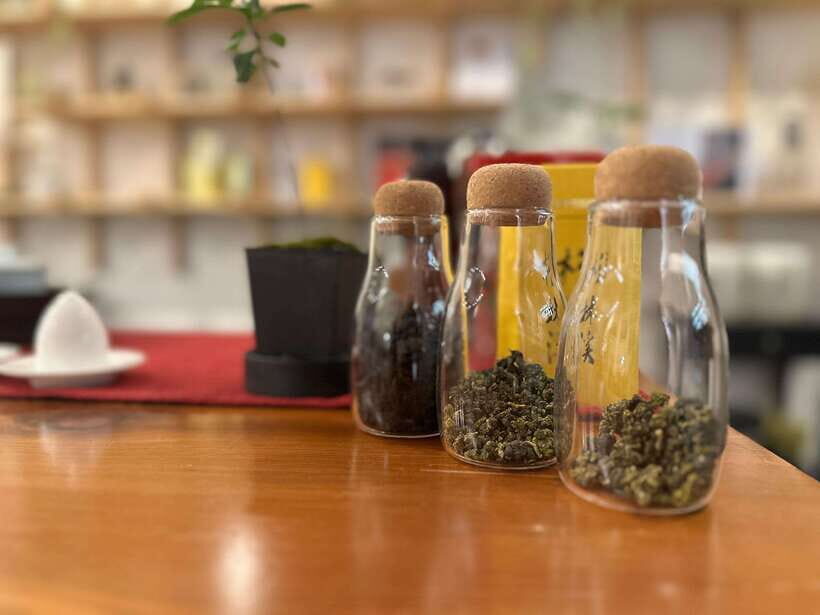
Here’s what makes the tasting portion effective: it’s structured around noticing and comparison.
King has you taste multiple oolongs—at least four kinds. You’ll pay attention to aroma and flavor notes, then you’ll track how the tea evolves with each infusion. In other words, you’re not treating each tea as a one-time hit. You’re tasting a progression.
This is also where you start building confidence. You’ll realize you can describe what you notice—floral versus woody, lighter fruit tones versus roasted ones—without needing a long vocabulary.
What I’d recommend to you in this moment is simple: go slow. Give each step its place. Smell, then sip, then wait long enough to notice how your palate resets between infusions. The ceremony’s calm pace is built for that.
If you’re the kind of person who loves food and drink details, this is a strong choice. If you’re simply curious, it’s still rewarding because the process teaches you how to taste with less guesswork.
Tea as culture, not just a drink: Taiwan context through a Chinese ritual
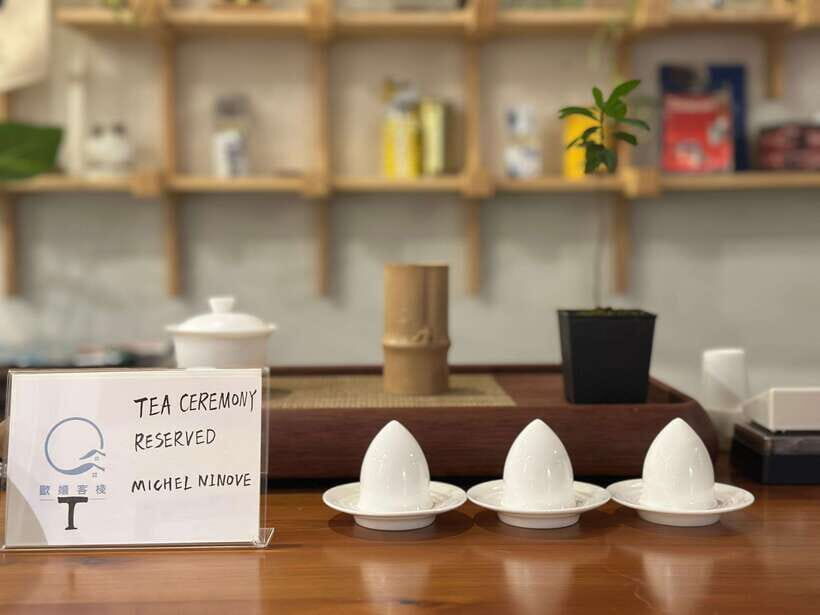
Tea culture here isn’t presented as a trivia list. It’s tied to daily life, symbolism, and even how people think about health.
King shares the cultural significance of tea in Chinese culture, including its role in traditional Chinese medicine and its symbolism in various rituals. You also learn how tea fits into social customs—why tea is offered, shared, and used to slow down social moments.
Then there’s the practical side: the ceremony creates a calm atmosphere and mindfulness. The slow pace is intentional. It gives you a break from the rush of travel and creates room to reflect and enjoy a quiet skill for a change.
In the real experience, King also comes across as warm and personable in English. Many sessions include plenty of time for questions, and the tone tends to feel friendly rather than stiff.
Price and value: $50 for up to 2, with equipment and multiple oolongs
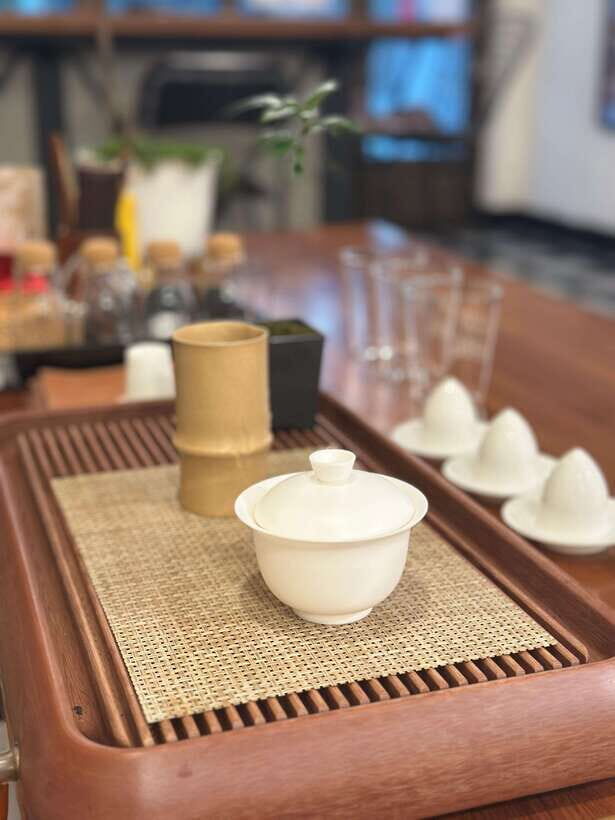
Let’s talk money in a straight way. The price is $50 per group up to 2 for about 90 minutes. If you’re coming with one other person, your per-person cost is much easier to justify.
Why this can feel like good value: you’re getting more than one tea. You’ll taste at least four oolongs and use multiple tea cups and brew utensils. Plus, you’re getting guided instruction in English about history, etiquette, and tasting technique.
Also, it’s private. That matters because tea ceremonies depend on attention and quiet. Sharing the experience with strangers can make it harder to hear explanations or ask questions. In a private setup, the pace stays comfortable and the host can adapt to your interests.
What’s not included is also worth noting: transportation and meals. So budget for getting to the TOT House and plan your next meal stop after the ceremony.
Who should book this oolong tea ceremony in Tainan
This is a great fit if you want an authentic cultural experience that’s also practical. You’ll leave with a way to taste oolong more thoughtfully, plus etiquette you can use again if you ever attend a tea ceremony elsewhere.
It’s especially suitable if you:
- enjoy tea and want to compare multiple oolong styles in one session
- like craft details, especially ceramics and brewing tools
- want a calmer activity that still teaches you something real
- prefer small, private settings over group tours
It may not be ideal if you want constant sightseeing or hands-off entertainment. This is still a ceremony with rules, including no cellphone and no video recording during the session.
Should you book this Tainan Oolong Tea ceremony?
Yes, if you want a structured tea lesson you can taste, with multiple oolongs and clear etiquette guidance. The combination of English instruction, tasting-focused pacing, and the use of Gaiwan plus terracotta teapots makes it more than a quick sip-and-smile stop.
I’d also book it if you’re curious about Taiwanese tea culture and want a calm break in Tainan. Just be ready to follow the rules: phone stays away, no strong perfume, and you’ll get the best experience when you give the ceremony your full attention.
FAQ
FAQ
How much does the Tainan oolong tea ceremony cost?
The price is $50 per group up to 2 people.
How long is the experience?
The ceremony lasts about 90 minutes.
Where do I meet the host?
Meet at the TOT (Taiwan Oolong Tea) House. The front door looks like a normal household—press the bell when you arrive.
Is the ceremony offered in English?
Yes. The instructor conducts the ceremony in English.
What tea will I taste during the ceremony?
You’ll taste various oolong teas, with at least 4 kinds included.
What tea utensils are included in the experience?
You’ll appreciate at least two brew utensils, including a Gaiwan and terracotta teapots. You’ll also try at least three different tea cup types in different shapes and textures.
Are phones or video recording allowed?
No. You shouldn’t use your cellphone or record video during the ceremony.
Is smoking allowed?
No, smoking is not allowed.
What booking flexibility is available?
Free cancellation is available up to 24 hours in advance for a full refund, and you can reserve now and pay later.
Is it suitable for children or people with mobility limitations?
Children under 5 years are not suitable. Wheelchair access is listed, but the experience is also listed as not suitable for people with mobility impairments.