REVIEW · KEELUNG
Keelung: Guided Walking Tour with Snacks and Drink
Book on GetYourGuide →Operated by Keelung For A Walk 雨都漫步 · Bookable on GetYourGuide
Keelung is best seen on foot. This guided walk brings the working seaport into focus and threads you through temples, alleys, and markets that feel like real daily life, not a staged stop. I like that the route is designed to connect what you’re seeing in Keelung now with the stories behind it.
I also like the food payoff: you get snacks and a drink during the walk, then the tour ends at Miaokou Night Market where your guide can point you toward dishes that match your tastes. One thing to plan for: the tour needs a minimum of 4 participants to run, so check dates if you’re on a tight schedule.
In This Review
- Key things that make this walk work
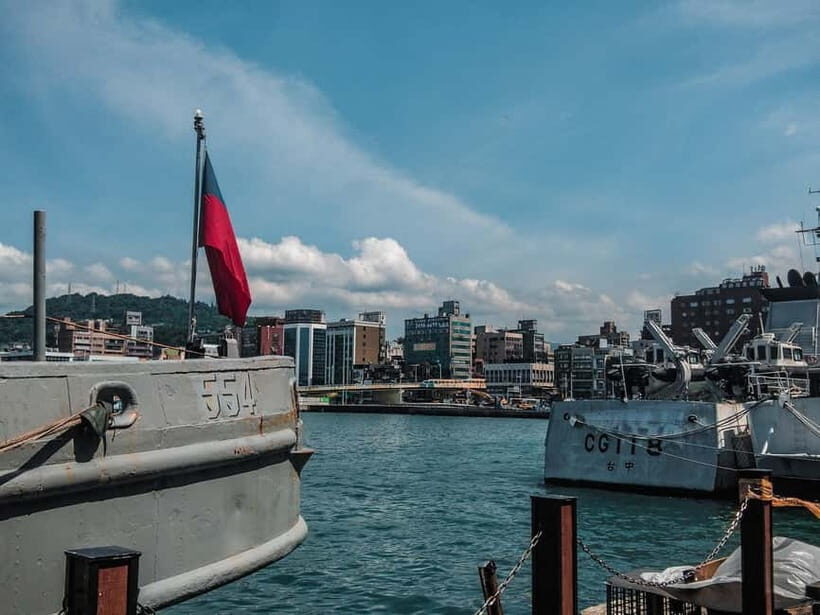
- Keelung’s working waterfront: the fast way to get context
- Meeting at 海港大樓 (Keelung Customs Office) and setting expectations
- Maritime Plaza: where the port story starts
- Chenghuang Temple: religion that shapes daily streets
- Side alleys that locals actually use: Columbus Alley
- Herb Alley and the sense-based route
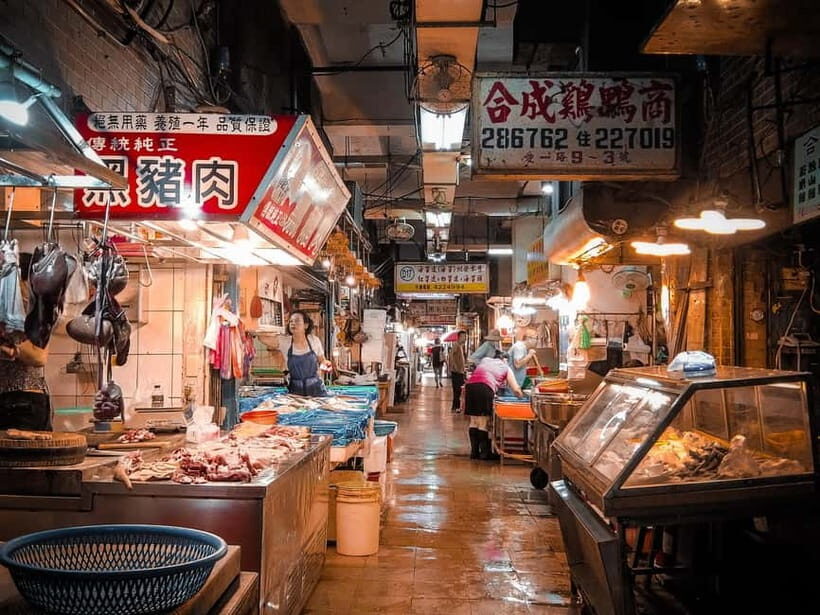
- Ren’ai Day Market: seeing commerce without feeling lost
- Fude Temple: another anchor for how the city works
- Snack-and-drink time: small comfort, big pacing benefit
- Ending at Miaokou Night Market: where your guide pays off
- Price and value: is $60 a fair deal for 3 hours?
- What it feels like in a real small group
- Who this tour is best for (and who should skip it)
- Should you book Keelung For A Walk?
- FAQ
- Where do we meet for the tour?
- How long is the guided walking tour?
- What languages are available during the tour?
- Where does the tour end?
- I’m arriving by cruise ship. What should I do?
- Is this tour wheelchair accessible?
Key things that make this walk work
- A licensed local guide with live interpretation in English, Chinese, and Spanish, plus a personal audio headset.
- Port-city sights on a tight timeline: Maritime Plaza, Chenghuang Temple, Columbus Alley, Herb Alley, Ren’ai Day Market, and Fude Temple.
- Sensory stops you can actually feel with herb shops and fresh markets along the way.
- A small-group format that makes it easier to ask questions and get personal attention.
- Miaokou Night Market as the finale, with on-the-spot food recommendations from your guide.
Keelung’s working waterfront: the fast way to get context
Keelung is about 30 km from Taipei, and it plays a very different role than the island’s more famous towns. Here, the harbor is part of everyday reality, and the town’s rhythm shows up in the streets, the temples, and the way people move through markets.
The big win of this tour is that you’re not just getting photos. You’re getting context for why the seaport matters, then watching how that history and modern life overlap as you walk. That’s a rare combo in a short, 3-hour experience.
You can also read our reviews of more tours and experiences in Keelung.
Meeting at 海港大樓 (Keelung Customs Office) and setting expectations
You meet in front of the main entrance of the Keelung Customs Office Building, 海港大樓. If you’re arriving by cruise ship, plan on a short walk: the meeting point is about 5–15 minutes from the port after you disembark.
This detail matters because 3 hours goes quick once you’re on the street. You’ll want to be there a bit early, especially if you’re crossing from a cruise terminal pickup area or you’re matching the tour group by name.
Maritime Plaza: where the port story starts
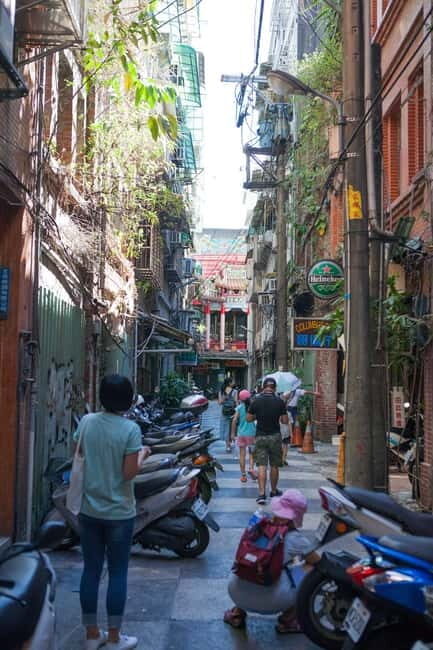
Your walk begins with Maritime Plaza, a logical first stop because it frames Keelung as a working seaport rather than a postcard. From there, you move into the parts of the city where port life, local commerce, and community spaces overlap.
Even without turning it into a classroom, this opening section sets your mental map. You’ll understand where things are in relation to each other, and you’ll pick up the kinds of background details that make the rest of the walk click.
Chenghuang Temple: religion that shapes daily streets
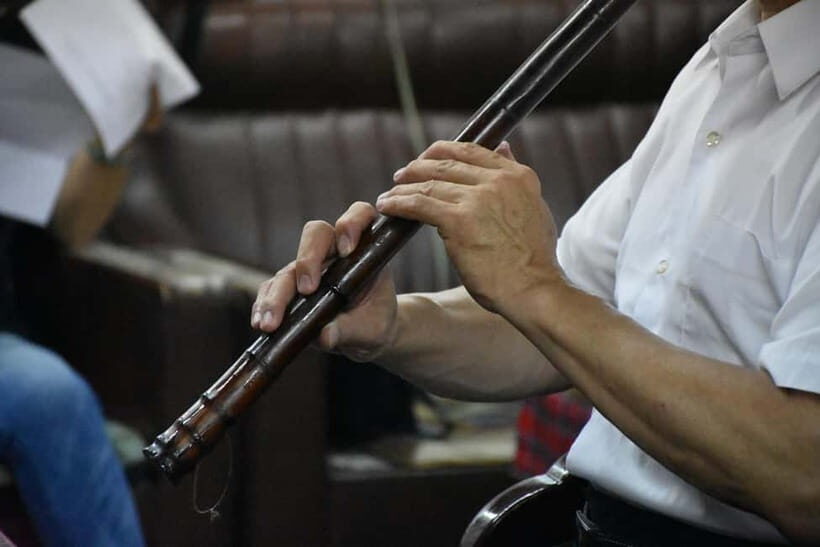
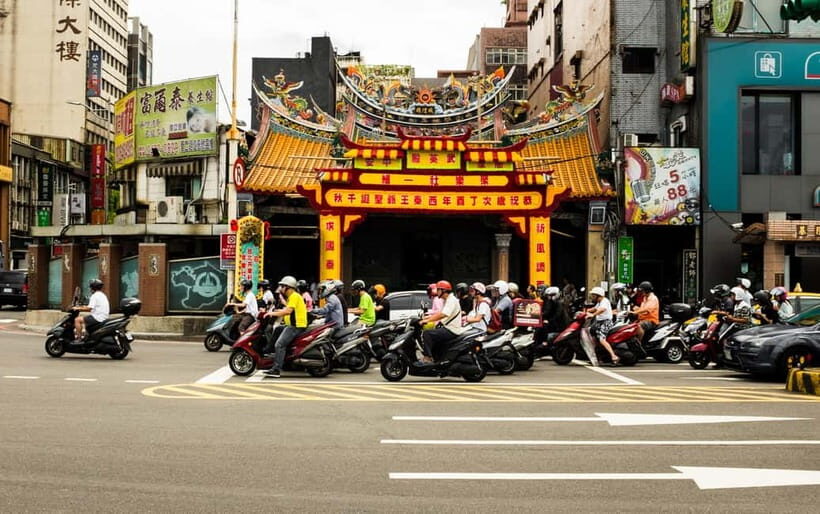
Next on the route is Chenghuang Temple. In many Taiwanese cities, temples aren’t only for special occasions. They function as anchors for neighborhood life, and they influence the flow of streets and shops around them.
What I like about including a stop like this in a walking tour is that it gives you a pause in the middle of motion. You’re not stuck with a long, slow visit; you’re seeing how temple space fits into the surrounding city fabric, and you’ll learn the meaning behind what you’re seeing.
Side alleys that locals actually use: Columbus Alley
Then you get into the tighter lanes, including Columbus Alley. This is where Keelung starts to feel more like a lived-in city and less like a sightseeing route.
Expect narrow turns, smaller storefronts, and street-level texture. The guide’s job here is important: without local explanation, alleys like this can look random. With the bilingual storytelling and the headset, you’re more likely to catch the reasons certain areas developed the way they did.
Herb Alley and the sense-based route
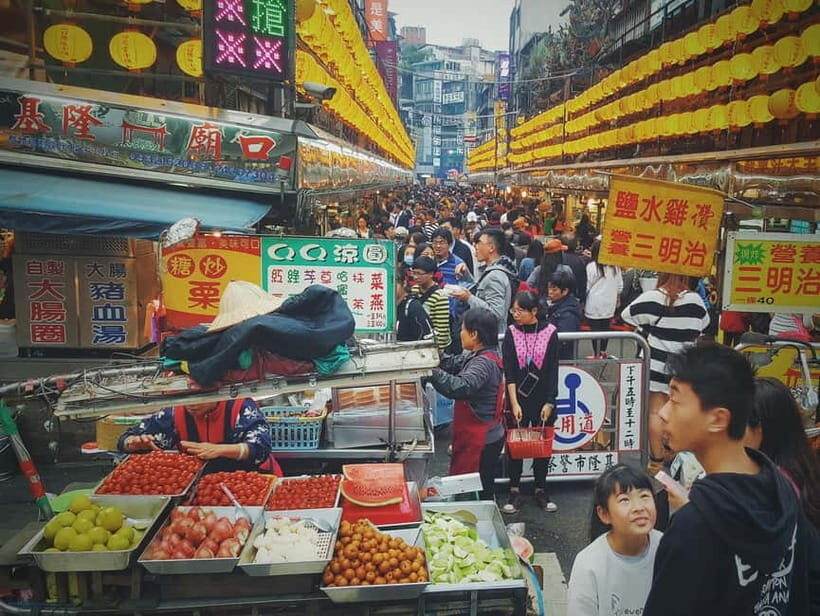
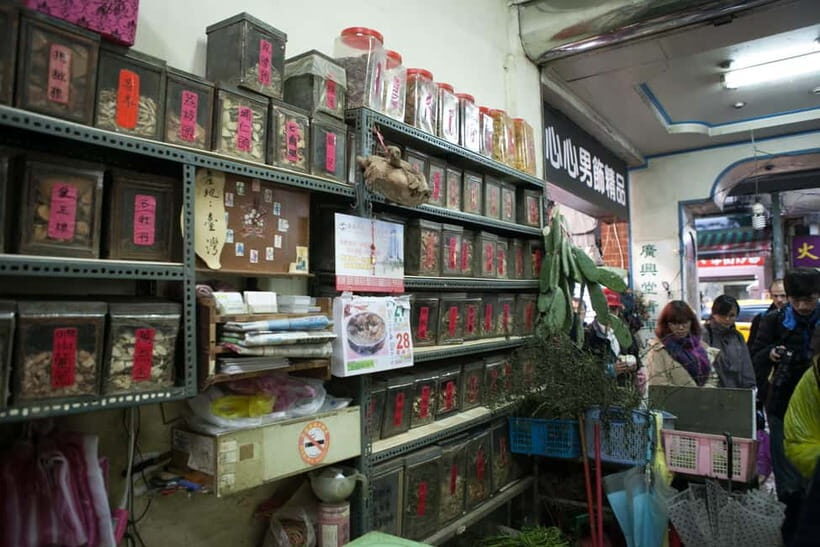
One of the most distinctive parts of the walk is Herb Alley, along with stops related to herbal shops. The tour description is clear that you’ll engage your senses as you go, and herb-focused areas are where that becomes real—through what’s sold, how it’s displayed, and the everyday logic behind these specialty streets.
If you like travel that includes smell and texture (not just sight), this is a highlight. If you’re the type who rushes through market lanes, this is one place to slow down for a minute and let the guide’s story do its work.
Ren’ai Day Market: seeing commerce without feeling lost
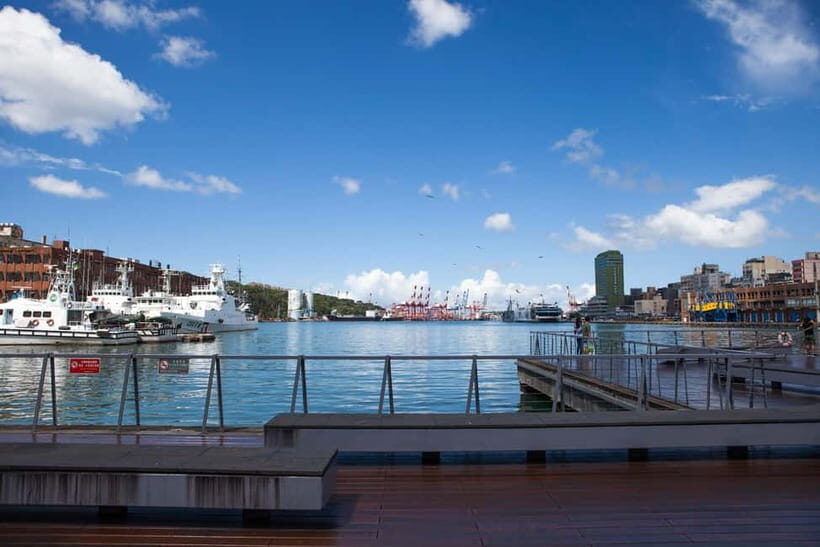
The route includes Ren’ai Day Market, which is a strong match for a 3-hour walking format. Markets can easily turn into chaos if you’re trying to navigate alone, but on a guided route you get a sense of what to look for and why those shops matter locally.
Here, you’ll also get the feel of Keelung’s daily patterns—what’s sold, how the space is used, and how people shop when they’re not thinking about tourist hours. If you’re hungry, this part helps you time your appetite for the night market ending.
Fude Temple: another anchor for how the city works
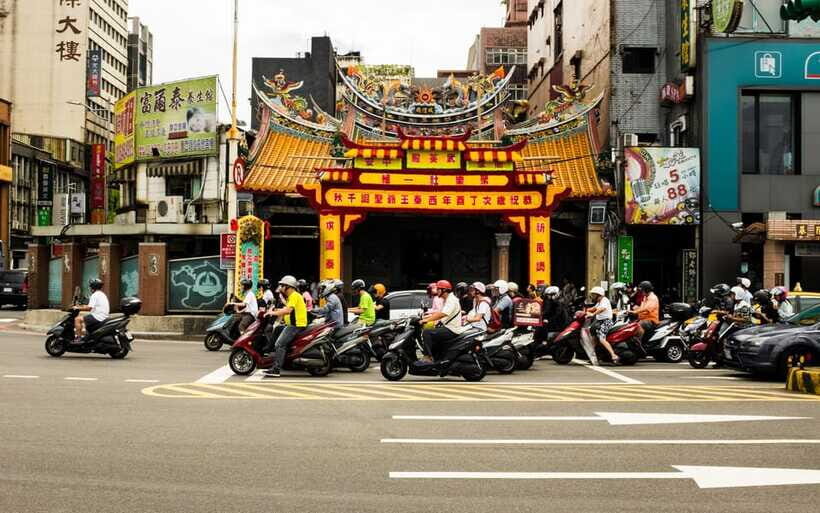
You’ll also visit Fude Temple, adding a second major temple stop to the route. Doing two temple sites in one short tour gives you a useful comparison: you start to see how different places of worship contribute to neighborhood identity.
This kind of stop is especially useful when you want more than sightseeing. It’s a chance to connect spiritual space with street life—without turning the tour into a long detour.
Snack-and-drink time: small comfort, big pacing benefit
The tour includes complimentary snacks and a drink. In a city walk, that’s not just a perk—it’s pacing insurance. After a few hours of walking and absorbing information through a headset, a small bite keeps you from getting grumpy and missing details.
If you have dietary needs, it’s also worth noting that the experience can accommodate requests (you’ll want to share them when booking or directly with the operator ahead of time).
Ending at Miaokou Night Market: where your guide pays off
The tour ends at Miaokou Night Market, which is exactly where you want to finish a historical and cultural walk. By the time you arrive, you already understand the city’s logic, so the night market stops feeling random.
The best part: your guide can recommend must-try local foods based on your tastes and preferences. That’s huge if you don’t read menus well or you’re not sure what to order. Instead of guessing, you’ll have a shortlist and a starting point for what to try first.
If you’re trying to keep your night market spending under control, you can also ask your guide for a strategy like one savory pick plus one snack item. You won’t get stuck buying the most obvious thing just because it’s in front of you.
Price and value: is $60 a fair deal for 3 hours?
At $60 per person for about 3 hours, the value comes from the mix of support and inclusions, not from the length of time. You’re paying for a fully licensed local guide, a personal headset, and live interpretation in multiple languages (English, Chinese, Spanish). You also get snacks, a drink, and a souvenir map (the Keelung For A Walk map).
You’re also covered by operator-provided public liability insurance, which you generally only think about when something goes wrong. The small-group setup is the practical part you’ll feel immediately: fewer people means it’s easier to get your questions answered and stay oriented as you move through alleys and temples.
Is it pricey compared with DIY wandering? Yes. But if you want the city’s stories and the food guidance without getting lost, it’s one of those “pay once, save time” choices.
What it feels like in a real small group
This isn’t a megaphone tour. It’s designed so you get personal attention and can ask questions as you go. That matters on a walking tour because the route includes smaller lanes and specialized areas like herb-focused streets—places where context makes a huge difference.
One name you might hear in the field is Mila, since at least one tour experience credited Mila for going above and beyond. Even if you don’t have Mila, you should expect the same style: bilingual guide, steady pace, and stories that connect the dots between port life, temples, and markets.
Who this tour is best for (and who should skip it)
This walk fits best if you want:
- Culture on foot with a real local guide rather than a list of landmarks
- A route that covers both major sights and smaller lanes
- A food-friendly finish that doesn’t leave you guessing at Miaokou
It may not fit if you need wheelchair access, since the tour isn’t suitable for wheelchair users. If you have mobility limits, it’s worth rethinking the plan before you book.
Should you book Keelung For A Walk?
I’d book this if you’re visiting Keelung for a limited window, and you want more than a quick harbor stroll. The route hits the big anchors (Maritime Plaza, Chenghuang Temple, Fude Temple) and then does the smart thing—adds alleys and markets that reveal how people actually live.
I would skip it if you hate walking for 3 hours, or if your schedule is so tight that you can’t risk the tour needing at least 4 participants to operate. Also, if you only care about nighttime food and you don’t want daytime context, you might prefer a shorter night-market-only plan.
FAQ
Where do we meet for the tour?
You meet in front of the main entrance of the Keelung Customs Office Building, 海港大樓.
How long is the guided walking tour?
The tour lasts about 3 hours.
What languages are available during the tour?
The live guide is available in English, Chinese, and Spanish. Audio guidance is also included in English, Chinese, and Traditional Chinese.
Where does the tour end?
The tour ends at Miaokou Night Market.
I’m arriving by cruise ship. What should I do?
If you’re arriving by cruise ship, include your ship’s name when booking so the operator can estimate arrival time. The meeting point is a short 5–15 minute walk from the port after disembarking.
Is this tour wheelchair accessible?
No. The tour is not suitable for wheelchair users.